Feb . 26, 2026 02:10 Back to list
Navigating the world of candles can be enchanting, but understanding candle prices is essential for both consumers and retailers. Factors like wax type, fragrance load, size, and production costs all contribute to the final price tag. This article delves into the elements influencing candle pricing, helping you make informed decisions and appreciate the value of quality craftsmanship. Litbright Candles offers a diverse range, and understanding price points can help you find the perfect scent for your needs.
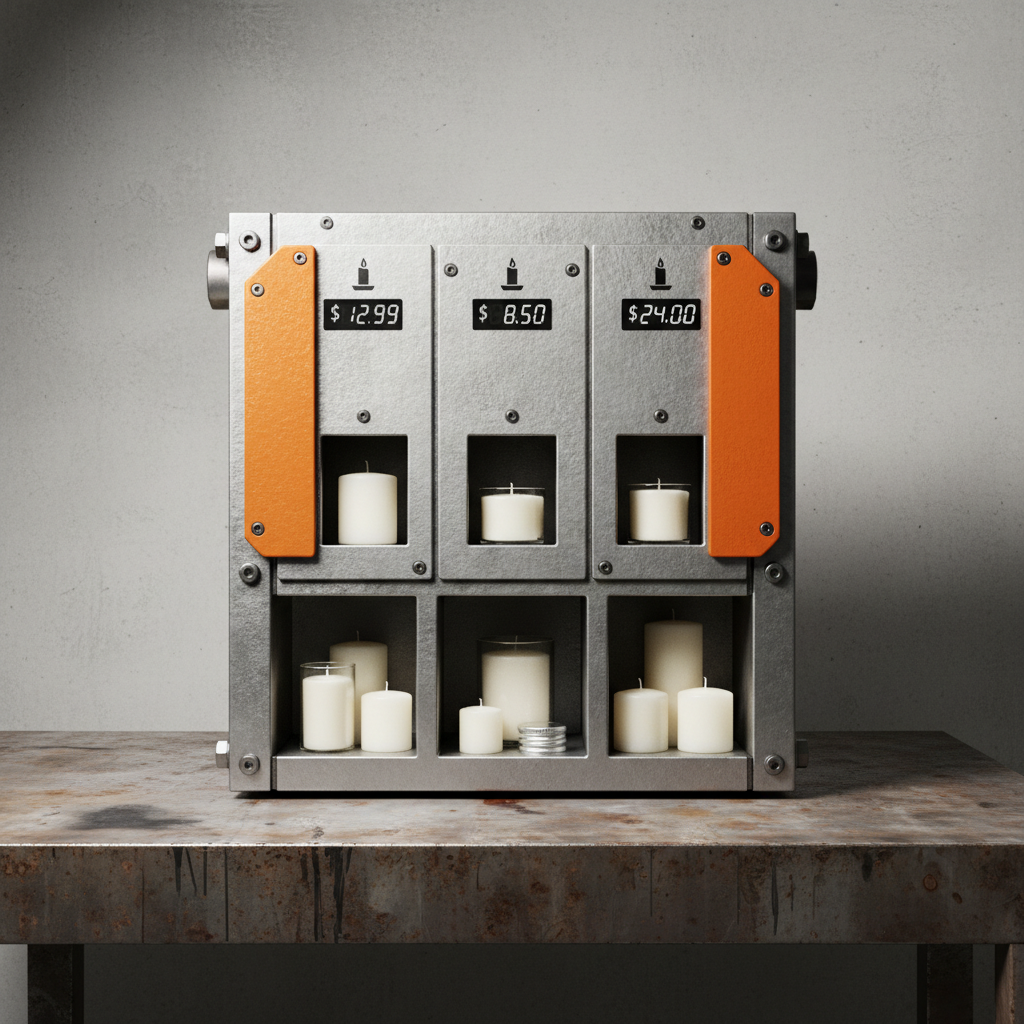
Several key components shape the final candle price. The type of wax is a major factor. Soy wax, known for its clean burn, is generally more expensive than paraffin wax. Beeswax, a natural option, often carries a premium price tag. Fragrance oils also significantly contribute, with natural essential oils being pricier than synthetic fragrances. The size of the candle—volume of wax—directly impacts the material cost. Labor, packaging, and overhead (rent, utilities, marketing) all add to the overall expense. Finally, the brand's positioning and perceived value play a role; a luxury brand will naturally command higher prices than a mass-market option.
Key Highlights: Wax type, fragrance quality, size, packaging, and brand reputation are major contributors to candle pricing. Understanding these factors can help you assess value and make informed purchase decisions.
The choice of wax has a substantial effect on candle price. Paraffin wax is the most affordable, derived from petroleum. Soy wax, a plant-based alternative, is becoming increasingly popular due to its eco-friendliness and cleaner burn, resulting in a moderate price increase. Beeswax is the most expensive option, prized for its natural aroma and long burn time. Coconut wax, another sustainable choice, often falls within the mid-to-high price range. The sourcing and processing of each wax type also affect the final cost. Litbright Candles offers a range of wax options to cater to different budgets and preferences.
Wax Type Comparison:
• Paraffin: Lowest price, readily available.
• Soy: Moderate price, eco-friendly, clean burn.
• Beeswax: Highest price, natural aroma, long burn time.
• Coconut: Mid-to-high price, sustainable, excellent scent throw.
The amount and quality of fragrance oil significantly impact the candle price. A higher fragrance load (the percentage of fragrance oil in the wax) results in a stronger scent throw, but also increases the cost. Natural essential oils, extracted from plants, are considerably more expensive than synthetic fragrance oils. While synthetic fragrances offer a wider variety of scents and are more cost-effective, many consumers prefer the natural and therapeutic benefits of essential oils. Litbright Candles prioritizes quality fragrance oils to deliver a premium scent experience.
Larger candles require more wax and fragrance oil, naturally increasing their price. However, larger sizes often offer a better value per ounce due to economies of scale. Burn time is also directly related to size; a larger candle will burn longer, providing more hours of enjoyment. Container type also impacts the price; glass jars are more expensive than tin containers. Litbright Candles offers a variety of sizes and containers to meet different needs and budgets.
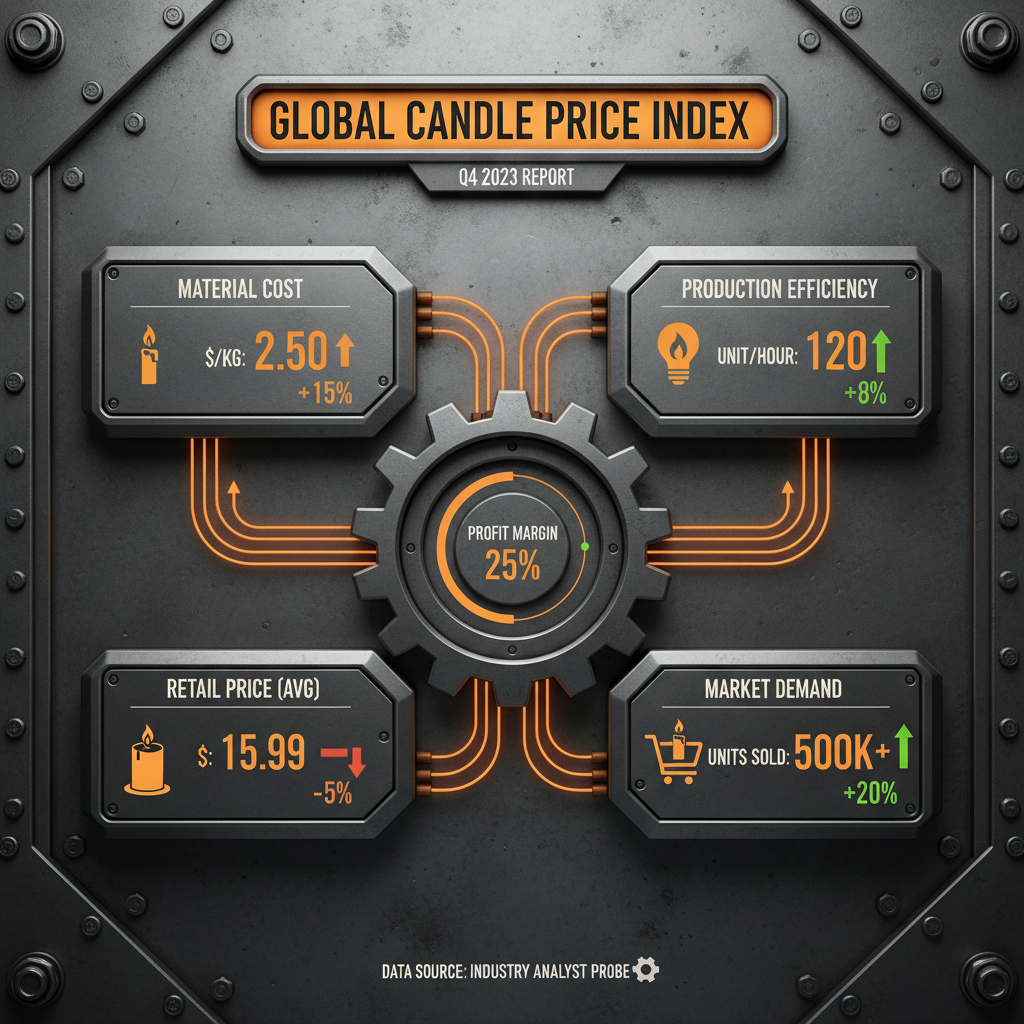
Understanding the factors that contribute to candle price empowers you to make informed choices and appreciate the craftsmanship behind a quality product. From wax type and fragrance oil to size and packaging, each element plays a role. Litbright Candles is committed to providing high-quality candles at competitive prices, ensuring a delightful and aromatic experience for our customers.
Several factors contribute to higher candle prices. Premium ingredients like beeswax and natural essential oils are significantly more expensive than paraffin wax and synthetic fragrances. Hand-poured candles, those with intricate designs, or those produced in limited batches also often carry a higher price tag due to increased labor costs. Packaging and branding also play a role, with luxury brands investing in premium materials and marketing. Ultimately, a higher price often reflects a commitment to quality, sustainability, and craftsmanship. At Litbright Candles, we strive to balance quality and affordability.
Look for candles with a good balance of price, ingredients, and burn time. Consider the wax type – soy wax offers a good compromise between price and quality. Check the fragrance load – a higher fragrance load typically means a stronger scent. Compare prices per ounce to get a better understanding of value. Finally, consider purchasing candles during sales or promotions to save money. Litbright Candles frequently runs promotions and offers a range of candles to suit different budgets.
Yes, the container significantly affects the candle price. Glass jars, especially those with unique designs or thicker glass, are more expensive than tin containers. Luxury containers, such as ceramic or metal vessels, will further increase the cost. The container's quality and aesthetics contribute to the overall perceived value of the candle. Litbright Candles carefully selects containers that complement our candles and offer both aesthetic appeal and functionality.
Not necessarily. While a higher price can sometimes indicate better quality ingredients and craftsmanship, it's not always a guarantee. Marketing, branding, and packaging can also contribute to a higher price. It's essential to look beyond the price tag and consider the wax type, fragrance oil quality, burn time, and overall reputation of the brand. Read reviews and research the company's commitment to quality. Litbright Candles believes in transparency and providing high-quality products at a fair price.
Brighten Your Home Decor with a Beautiful Rainbow Candle
NewsApr.16,2026
Eco Friendly Luxury Home Decor with Refillable Candles Guide
NewsApr.09,2026
Discover the Power of Regenerative Candles for a Sustainable Lifestyle
NewsApr.07,2026
Enhance Your Wellbeing with the Soothing Power of Relaxing Candles
NewsApr.04,2026
Illuminate Your Home Sustainably with Reusable Candle Options
NewsMar.31,2026
Discover the Charm of Ribbed Candles for a Stylish and Inviting Home
NewsMar.28,2026
Products

 +8613838384866+8613102808187(Aromatherapy)+8615544503756(Candle)
 sales18@litbright.com(Aromatherapy)sales16@litbright.com(Candle)
RM 702, Bldg,A Lingshi Comm.Bldg., NO.351 Xinhua Road, Shijiazhuang, Hebei, China



 Send Email
 WhatsApp