Mar . 06, 2026 03:25 Back to list
Determining the average candle price can be surprisingly complex. It's not a fixed number, and fluctuates based on numerous elements. From the type of wax used to the intricacy of the scent, and even the container material, all contribute to the final cost. This article delves into the key factors affecting candle prices, providing a comprehensive overview for both consumers and businesses. We'll examine different candle types and their typical price ranges, helping you understand the value proposition behind each purchase.
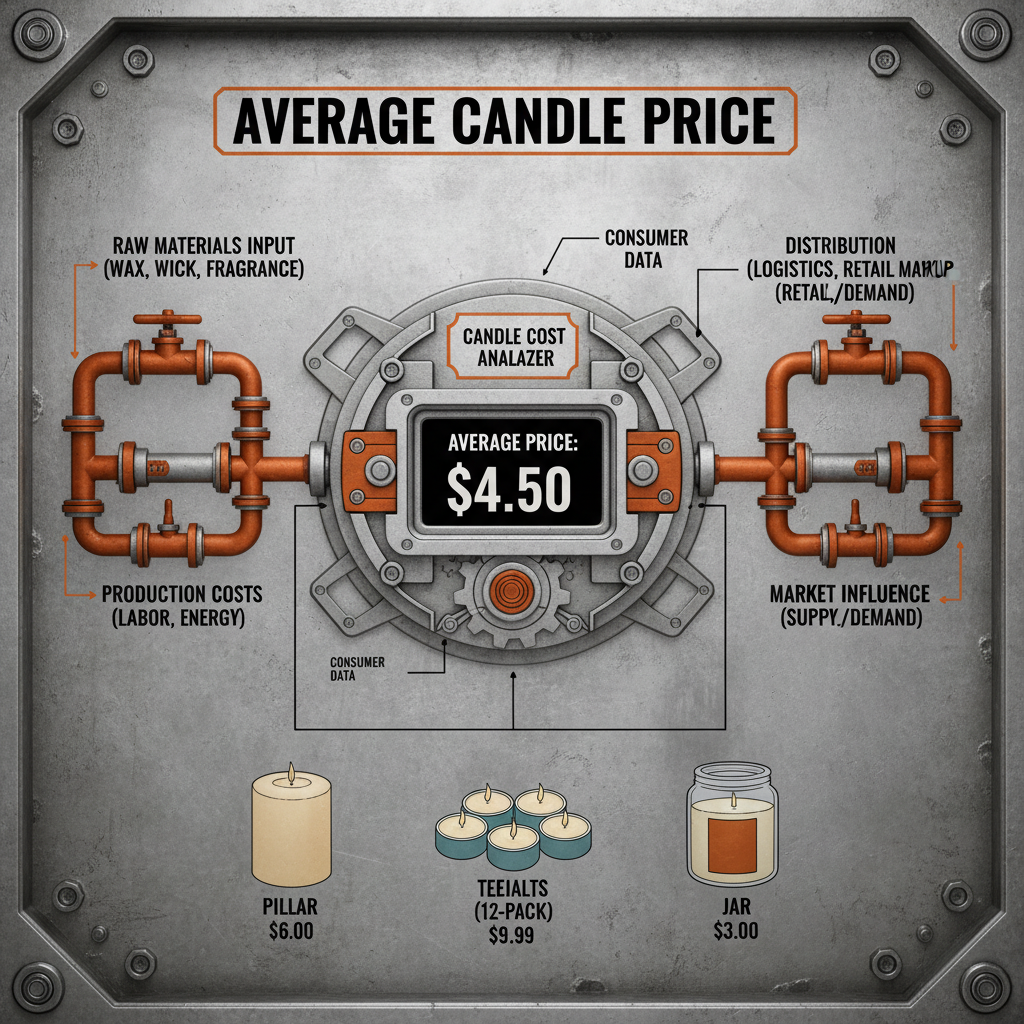
Several core components significantly affect the final price of a candle. The type of wax is a major factor; soy wax, known for its clean burn, is often more expensive than paraffin wax. Fragrance oils also play a crucial role – natural essential oils are pricier than synthetic fragrances. Container costs, from simple glass jars to ornate ceramic vessels, contribute to the overall expense. Labor, packaging, and marketing costs all add to the final retail price. Furthermore, the size of the candle is directly proportional to its price – larger candles require more wax and fragrance, naturally increasing the cost. Finally, the brand reputation and any associated ethical sourcing practices can justify a higher price point.
Key Highlights: Wax type, fragrance oil quality, container material, size, labor costs, and brand reputation all significantly contribute to the final candle price.
The type of wax used is a primary driver of candle cost. Different waxes have varying burn qualities, scent throws, and production costs. Generally, natural waxes like soy and beeswax command a higher price due to their eco-friendliness and cleaner burning properties. Paraffin wax, a petroleum byproduct, is the most affordable option. Here's a general breakdown of average prices (per ounce):
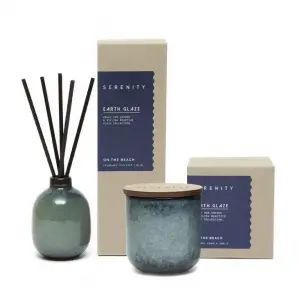
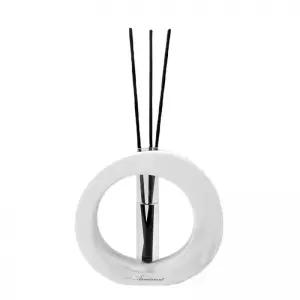
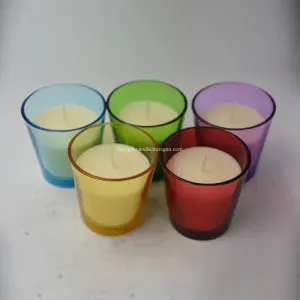
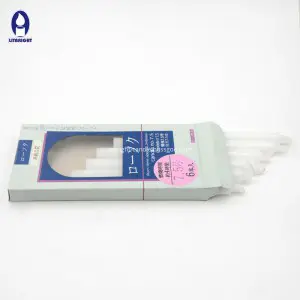
Beyond the wax, the size and type of candle significantly affect the price. Votive candles are the most affordable, while large jar candles or pillar candles command higher prices. Specialty candles, like those with intricate designs or unique containers, are also typically more expensive. Litbright Candles offers a variety of options across these categories.
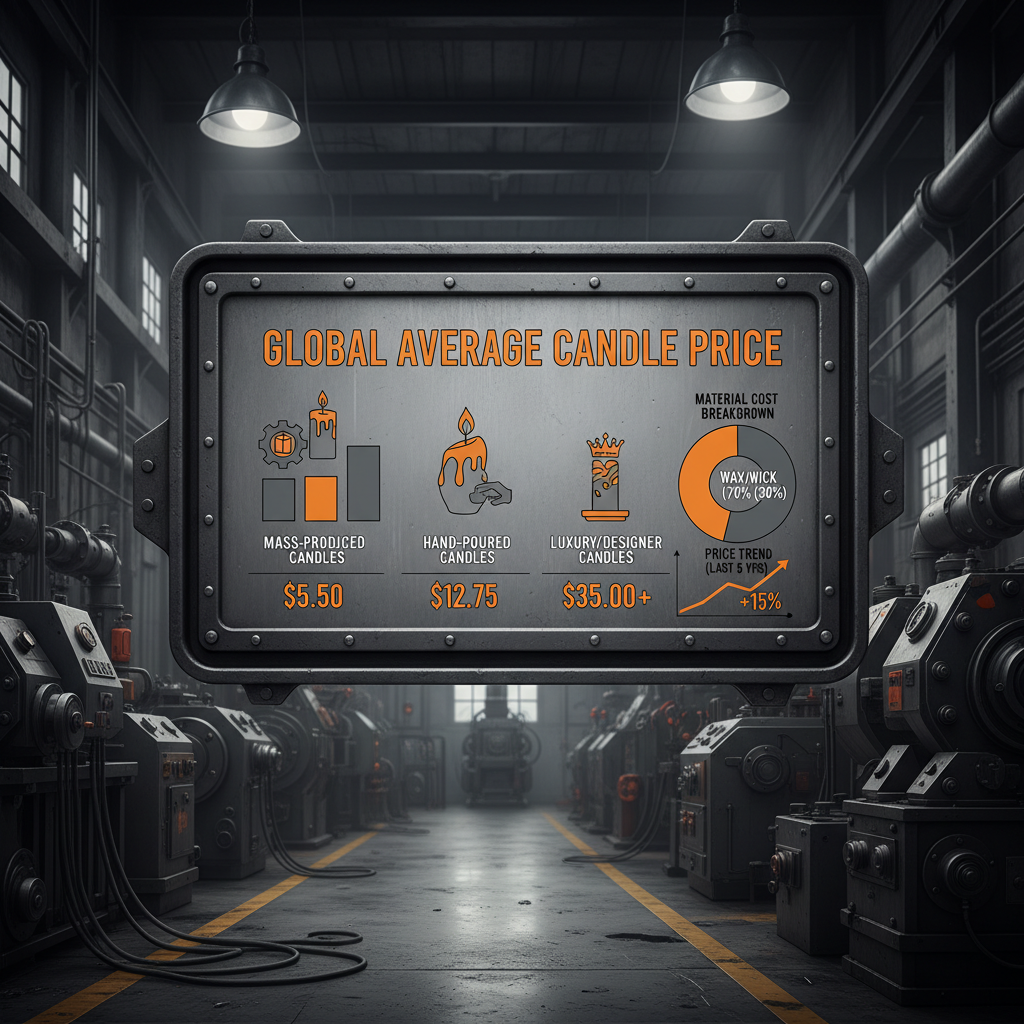
The quality and source of fragrance oils greatly influence cost. Essential oils, derived from plants, are considerably more expensive than synthetic fragrance oils. The complexity of the scent also matters; blends with many different notes generally cost more to produce. High-quality fragrance oils provide a stronger, more authentic scent throw, justifying a higher price point. Consumers often prioritize fragrance quality when selecting candles, making it a key factor in their purchasing decisions.
Branding and packaging play a significant role, especially for luxury candles. A well-established brand with a reputation for quality can charge a premium. Elaborate packaging, including gift boxes, ribbons, and custom labels, also adds to the overall cost. Consumers often associate packaging with the quality of the product itself, making it a valuable investment for brands.
Understanding the various factors that influence the average candle price empowers you to make informed purchasing decisions. While price is a consideration, remember to factor in wax quality, fragrance ingredients, and overall craftsmanship. Investing in high-quality candles ensures a more enjoyable and safer burning experience.
A reasonable price for a good quality soy candle typically falls between $15 and $35, depending on the size (8oz to 16oz) and complexity of the fragrance. Lower prices might indicate lower quality wax or synthetic fragrances. Higher prices could reflect premium branding, unique packaging, or the use of rare essential oils. It's important to look for candles made with 100% soy wax and phthalate-free fragrances to ensure a clean burn. Consider the burn time as well; a longer burn time justifies a slightly higher price point.
High candle prices can be attributed to several factors. The use of premium ingredients like natural essential oils and beeswax significantly increases production costs. Unique or handmade containers, elaborate packaging, and established brand reputations also contribute to higher prices. Ethical sourcing practices and sustainable production methods can also justify a higher price point. Ultimately, expensive candles often offer a superior experience in terms of fragrance, burn quality, and aesthetics.
Assess the candle based on several factors. Check the wax type – soy, beeswax, and coconut wax are generally higher quality. Look for candles made with phthalate-free fragrances. Consider the scent throw – does it fill the room with a pleasant aroma? Examine the burn quality – does it burn evenly without excessive soot? Finally, consider the overall presentation and packaging – does it reflect a commitment to quality? Reading customer reviews can also provide valuable insights.
A typical burn time for an 8oz candle usually ranges from 40 to 50 hours, but it can vary depending on the wax type, fragrance oil load, and wick size. Soy wax candles generally have a longer burn time than paraffin wax candles. Properly trimming the wick to ¼ inch before each burn will help maximize burn time and prevent soot formation.
Brighten Your Home Decor with a Beautiful Rainbow Candle
NewsApr.16,2026
Eco Friendly Luxury Home Decor with Refillable Candles Guide
NewsApr.09,2026
Discover the Power of Regenerative Candles for a Sustainable Lifestyle
NewsApr.07,2026
Enhance Your Wellbeing with the Soothing Power of Relaxing Candles
NewsApr.04,2026
Illuminate Your Home Sustainably with Reusable Candle Options
NewsMar.31,2026
Discover the Charm of Ribbed Candles for a Stylish and Inviting Home
NewsMar.28,2026
Products

 +8613838384866+8613102808187(Aromatherapy)+8615544503756(Candle)
 sales18@litbright.com(Aromatherapy)sales16@litbright.com(Candle)
RM 702, Bldg,A Lingshi Comm.Bldg., NO.351 Xinhua Road, Shijiazhuang, Hebei, China



 Send Email
 WhatsApp