Mar . 04, 2026 02:25 Back to list
When considering purchasing candles, whether for personal enjoyment or for a business, understanding the factors influencing candle cost is essential. The price of a candle can vary significantly based on several elements, from the wax type to the scent load. This article will break down these costs, offering insights for both individual buyers and businesses looking to stock their shelves with quality candles. We'll explore the components that contribute to the final price and how to find the best value for your money.
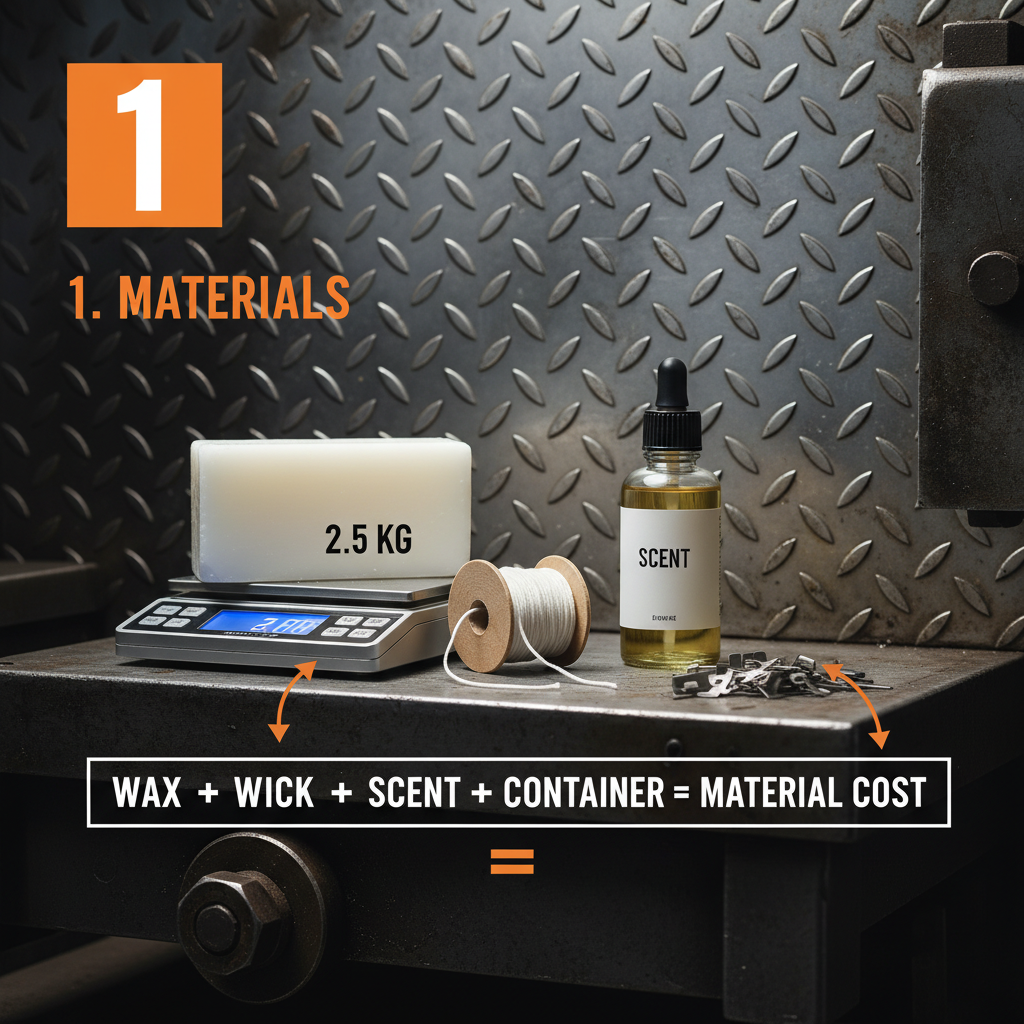
The cost of a candle isn't simply determined by its size. Several ingredients and production processes contribute to the final price. These include the type of wax used (soy, paraffin, beeswax), the fragrance oil quality and concentration, the wick material and size, the container, and labor costs. Higher quality materials and more intricate production techniques will naturally lead to a higher price point. Litbright Candles prioritizes quality materials to deliver a superior burn experience.
Key Considerations: Quality wax and fragrance oils significantly impact the candle's burn time, scent throw, and overall experience. Investing in higher quality ingredients often translates to a more satisfying product.
The type of wax used is a major determinant of candle cost. Paraffin wax is the most affordable option, often used in mass-produced candles. Soy wax is a natural alternative, generally more expensive than paraffin but offering a cleaner burn. Beeswax is the premium option, known for its natural scent and long burn time, and consequently, the highest in cost. Each wax type has its own characteristics, affecting both the price and the overall candle experience.
Wax Type Comparison:
• Paraffin Wax: Lowest cost, good scent throw.
• Soy Wax: Mid-range cost, cleaner burn, good scent throw.
• Beeswax: Highest cost, natural scent, longest burn time.
The quality and quantity of fragrance oil used dramatically affect candle cost. High-quality fragrance oils are more expensive than synthetic alternatives. Furthermore, the "scent load" – the percentage of fragrance oil in the wax – also influences the price. A higher scent load results in a stronger scent throw, but also increases the overall cost of the candle.
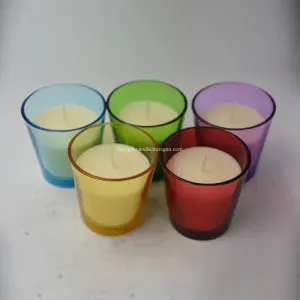
The container plays a role in candle cost as well. Simple glass jars are more affordable than intricate, hand-blown containers. Labor costs also contribute significantly, especially for small-batch, hand-poured candles. Automated production lines can lower per-unit costs, but often sacrifice the quality and care found in artisan candles.
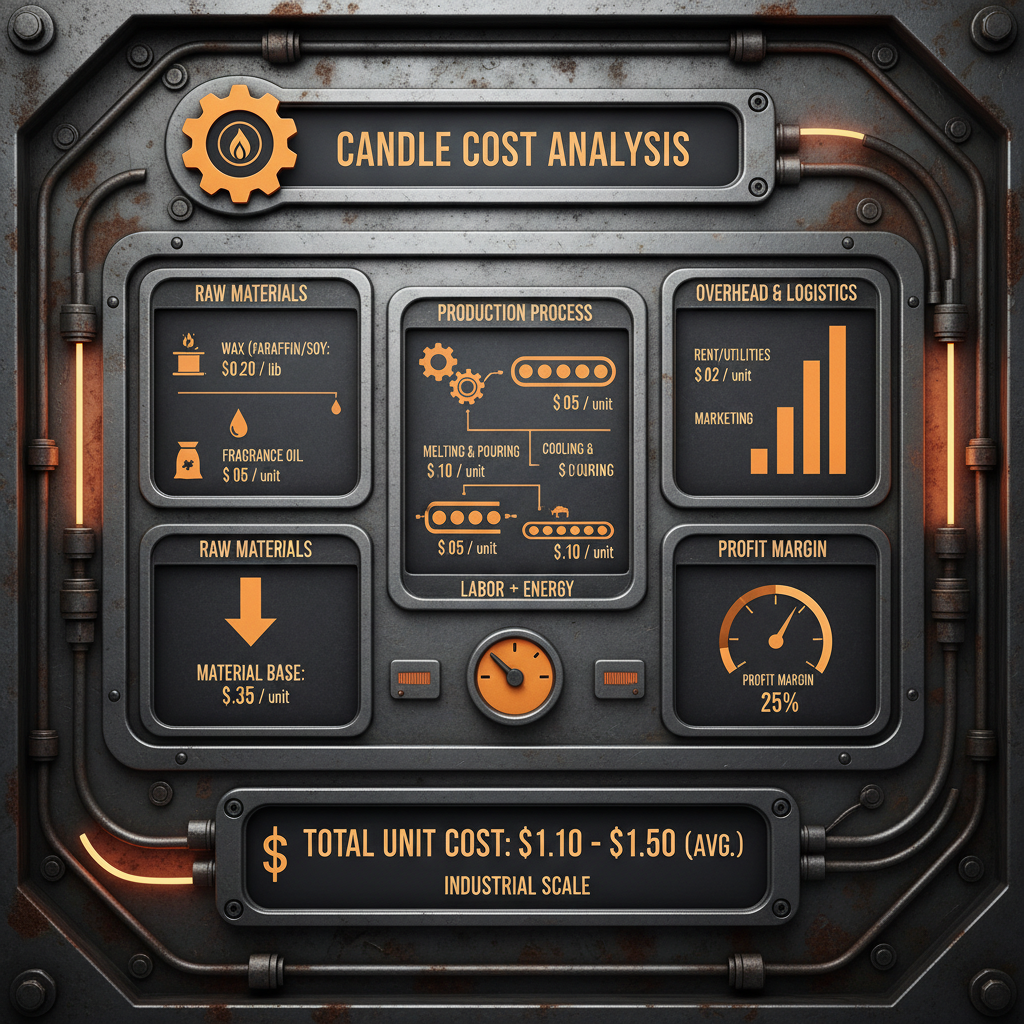
While precise costs vary, here’s a general breakdown of how a candle’s price might be allocated:
Understanding the factors contributing to candle cost empowers you to make informed purchasing decisions. While price is important, consider the quality of ingredients, the craftsmanship, and the overall experience the candle offers. Litbright Candles is committed to offering exceptional quality and value, ensuring you receive a product you'll truly enjoy.
Several factors contribute to price variations. High-quality waxes like beeswax and soy wax are more expensive than paraffin. Premium fragrance oils, a higher scent load, and hand-poured production also increase the cost. The container material, design, and any special finishes all play a role. Ultimately, a higher price often reflects superior ingredients and craftsmanship, leading to a better burning experience and longer-lasting fragrance.
Natural fragrance oils are derived from plant sources – flowers, fruits, herbs – and are typically more expensive. They offer a complex, nuanced scent profile. Synthetic fragrance oils are created in a lab and can mimic natural scents or create entirely new ones. They are generally more affordable and offer a stronger, more consistent scent throw, but may lack the depth of natural oils.
The container’s material, size, and design all affect its cost. Simple glass jars are the most affordable, while more elaborate or hand-blown containers are significantly more expensive. The size of the container also influences the amount of wax and fragrance oil required, further impacting the overall price.
Often, yes. Hand-poured candles are typically made in smaller batches with more attention to detail. This often translates to higher quality ingredients, a more even burn, and a stronger scent throw. The artisan process also supports small businesses and skilled craftsmanship.
Brighten Your Home Decor with a Beautiful Rainbow Candle
NewsApr.16,2026
Eco Friendly Luxury Home Decor with Refillable Candles Guide
NewsApr.09,2026
Discover the Power of Regenerative Candles for a Sustainable Lifestyle
NewsApr.07,2026
Enhance Your Wellbeing with the Soothing Power of Relaxing Candles
NewsApr.04,2026
Illuminate Your Home Sustainably with Reusable Candle Options
NewsMar.31,2026
Discover the Charm of Ribbed Candles for a Stylish and Inviting Home
NewsMar.28,2026
Products

 +8613838384866+8613102808187(Aromatherapy)+8615544503756(Candle)
 sales18@litbright.com(Aromatherapy)sales16@litbright.com(Candle)
RM 702, Bldg,A Lingshi Comm.Bldg., NO.351 Xinhua Road, Shijiazhuang, Hebei, China



 Send Email
 WhatsApp