The art of candle-making and its marketplace have evolved remarkably over the past decade, reflecting a blend of tradition and innovation. Understanding the average price for candles requires diving into the nuanced complexities of materials, craftsmanship, brand reputation, and market trends.
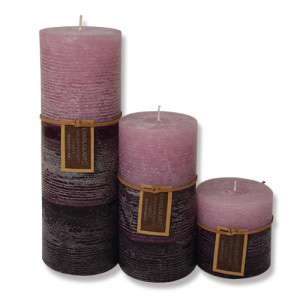
Candle pricing is often influenced by the type of wax used. Soy candles, for instance, are touted for their eco-friendliness and longer burn times compared to paraffin. They typically range from $10 to $30, depending on size and brand prestige. Beeswax candles are another premium choice, lauded for their natural honey aroma and clean burn; these can command prices anywhere from $15 to $40. Paraffin, being cheaper and more mass-produced, offers a more budget-friendly option, with prices hovering between $5 and $20.
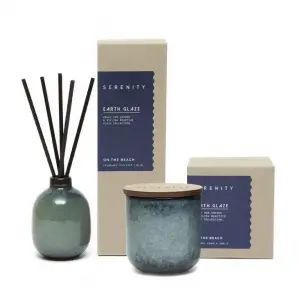
The craftsmanship behind a candle also plays a pivotal role in determining its price. Hand-poured artisanal candles, often made in small batches with carefully curated ingredients, can see prices soar. These products speak to consumers seeking uniqueness and quality rather than a mere source of light. Brands in this niche often emphasize sustainability and ethical sourcing, appealing to a conscientious clientele. As a result, such candles can be priced between $25 and $60 or more, justified by their artistry and exclusivity.
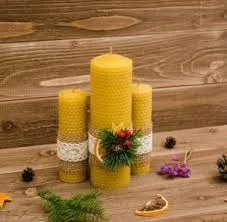
Brand reputation is another significant factor. Established names with a rich history in candle-making can price their products at a premium. Yankee Candle and Jo Malone, for instance, charge more for their brand's perceived quality, trustworthiness, and legacy. These brands leverage their long-standing customer trust and extensive research in fragrance development, adding to their products' authoritative appeal. Thus, branded candles in this echelon can stretch from $20 to $80.
average price for candles
Additionally, market trends significantly sway candle prices. The growing consumer inclination towards wellness and self-care has led to a rise in aromatherapy candles. These products, often infused with essential oils promising stress relief or enhanced focus, can range from $15 to $50. The pandemic era's homebody economy further bolstered this trend, with consumers willing to invest more in ambient home experiences, thus driving candle prices up.
Seasonal demand also influences pricing. For example, demand surges during the winter holidays, with consumers buying candles both as gifts and for creating a festive atmosphere. Retailers often capitalize on this increased demand by releasing limited edition scents and designs, which frequently carry a higher price tag ranging from $20 to $50.
In the realm of luxury candles, the sky is the limit. Brands like Diptyque, LAFCO, and Cire Trudon, offering intricate hand-blown glass designs and complex fragrances, push the boundaries of traditional candle pricing. These candles are marketed not just as fragrance emitters, but as lifestyle symbols and luxury décor, with prices often surpassing $80 and sometimes even reaching several hundred dollars.
Navigating the average price for candles thus involves understanding a myriad of factors from basic material costs and production methods to branding and consumer preferences. For those venturing into the candle market, acknowledging these dynamics can aid in making informed purchasing or business strategy decisions. Being well-versed in these aspects not only elevates consumer experience but also establishes a brand's expertise, authority, and trustworthiness in the market.



 +8613838384866
 sales18@litbright.com(Aromatherapy)



 Send Email
 WhatsApp