Dec . 02, 2025 16:30 Back to list
If you’ve ever wandered aisle shelves dressed with elegant glass vials and slender rattan sticks, you might’ve paused and asked yourself: can I use essential oil in reed diffuser? It’s a common curiosity—and for good reason. Understanding this not only elevates your home ambiance but also taps into a broader conversation about scent diffusion, natural wellness, and eco-conscious living worldwide. More than just a fragrant question, it connects to global trends favoring natural ingredients and subtle aromatherapy solutions. So, why does the use of essential oils in reed diffusers really matter?
Globally, the essential oil market reached a valuation north of $7 billion in recent years, fueled by a rising demand for natural wellness products and alternatives to synthetic fragrances (Source: Statista). At the intersection of this growth, reed diffusers emerge as a popular, flameless scent delivery method, prized in homes, boutique hotels, and even corporate settings. But not all oils behave equally in diffusers, posing practical challenges for consumers and brands.
Frankly, it’s a bit of a balancing act. While essential oils offer therapeutic qualities and refined aromas, their chemical properties—volatility, viscosity, and density—can affect diffuser performance and longevity. This puzzle speaks to a broader need: how to best integrate natural oils in home fragrance tech without sacrificing experience or sustainability.
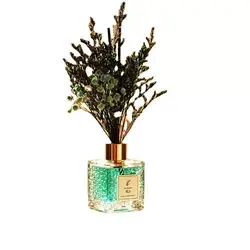
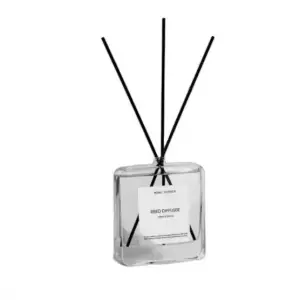
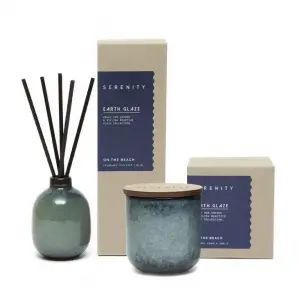
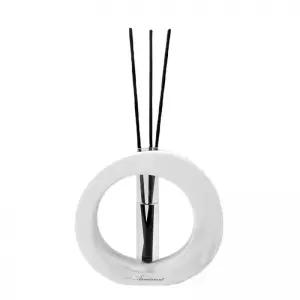
So, what does can I use essential oil in reed diffuser really mean? Plainly put, it’s about the feasibility and effects of using 100% natural plant extracts—extracted through steam distillation or cold-pressing—in the vessel designed to slowly disperse scent through porous reeds. Unlike candles or sprays, diffusers rely on capillary action and evaporation, meaning the oil mixture must be fluid enough to travel up wooden reeds while releasing fragrance over time without damaging the reeds or container.
This small interaction ties into bigger ideas in the aromatherapy industry, which prizes purity and efficacy of essential oils for psychological and physiological benefits. It’s also tied to how consumers worldwide increasingly seek sustainable, toxin-free home wellness products.
Essential oils tend to be thicker than standard fragrance oils. This means if the oil is too viscous, it struggles to climb the reeds efficiently—the diffusion slows, and scent throw diminishes. So, many brands dilute essential oils with a carrier base like DPG (Dipropylene Glycol) or mineral oil to improve wicking.
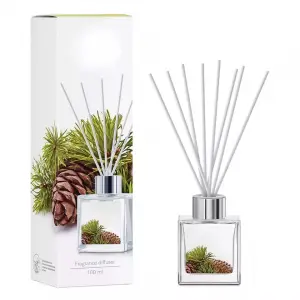
Not all reeds respond equally. Rattan reeds, with their porous channels, work best to absorb and release essential oils. Bamboo or other materials might clog or degrade faster when exposed to pure oils. Plus, the number of reeds affects scent intensity; more reeds = stronger scent but quicker depletion.
Pure essential oils are potent. Some (like cinnamon or clove) can be irritating to skin or respiratory tracts if concentrations are too high or improperly dispersed. Manufacturers must balance between fragrance strength and safety—important for household or commercial use.
Glass or ceramic containers are preferred, as certain plastics may degrade or leach chemicals when in contact with essential oils—especially citrus oils which are corrosive by nature.
Essential oils oxidize over time, losing aroma potency and possibly becoming rancid. Proper storage away from light and heat extends product life, which is a key consideration in commercial packaging.
| Spec | Details |
|---|---|
| Reed material | Natural Rattan Wood |
| Essential oil concentration | 10-15% pure essential oil blend |
| Carrier base | Dipropylene Glycol (DPG) |
| Container type | Frosted Glass Bottle, 100 ml |
| Diffusion duration | 4-6 weeks with 5 reeds |
Reed diffusers infused with essential oils have found their way into diverse arenas:
Oddly enough, in remote industrial setups, where open flames aren’t allowed, reed diffusers provide a simple way to freshen air safely over long periods.
| Brand | Oil Purity | Price Range | Sustainability | Reed Quality |
|---|---|---|---|---|
| AromaLux | 100% pure organic | $$$ | B Corp certified, recyclable packaging | Rattan, triple-filtered |
| PureScent | 80% pure blend | $$ | Uses bio-based bottles | Standard natural reeds |
| EcoAroma | 50-70% pure | $ | Recycled glass containers | Bamboo, mixed consistency |
Using essential oils in reed diffusers combines several tangible benefits:
On a softer level, there’s a comforting ritual in flipping those reeds or changing the oil—something that feels mindful in a fast-paced world. And brands that champion transparency build trust, which in this niche, counts a lot.
Looking ahead, a few exciting trends are shaping how essential oils are used with reed diffusers:
Of course, not everything is rosy. Here are some obstacles:
Solutions? Blending oils with carrier fluids, offering hypoallergenic blends, and scalable sourcing help overcome these. It’s a growing industry with room for innovation.
So, can you use essential oil in reed diffuser? In short, yes—but with a bit of know-how to ensure the best scent, safety, and longevity. Choosing the right oil blend and proper carrier, along with quality reeds and glass containers, transforms your space naturally and thoughtfully.
For those eager to explore this fragrant world further, whether for personal use or retail, head over to https://www.litbright-candles.com for trusted guides and premium products crafted with care.
Takeaway: Using essential oils in reed diffusers is part art, part science, and all about creating a peaceful, sustainable atmosphere at home or work.
Brighten Your Home Decor with a Beautiful Rainbow Candle
NewsApr.16,2026
Eco Friendly Luxury Home Decor with Refillable Candles Guide
NewsApr.09,2026
Discover the Power of Regenerative Candles for a Sustainable Lifestyle
NewsApr.07,2026
Enhance Your Wellbeing with the Soothing Power of Relaxing Candles
NewsApr.04,2026
Illuminate Your Home Sustainably with Reusable Candle Options
NewsMar.31,2026
Discover the Charm of Ribbed Candles for a Stylish and Inviting Home
NewsMar.28,2026
Products

 +8613838384866+8613102808187(Aromatherapy)+8615544503756(Candle)
 sales18@litbright.com(Aromatherapy)sales16@litbright.com(Candle)
RM 702, Bldg,A Lingshi Comm.Bldg., NO.351 Xinhua Road, Shijiazhuang, Hebei, China



 Send Email
 WhatsApp