Dec . 03, 2025 11:56 Back to list
Ever walked into a bathroom that just felt... off? That's where scented sticks for bathroom come in handy. These simple yet elegant tools don’t just mask odors; they transform spaces, improving hygiene perception and ambiance. Globally, maintaining sanitary conditions, especially in public or high-traffic restrooms, is a priority driven by health standards and user experience. Understanding scented sticks helps businesses, homeowners, and institutions create inviting, fresh environments while subtly aligning with sustainability and wellness trends.
Public health agencies like the World Health Organization emphasize hygiene's role in preventing disease spread, and bathrooms play a critical part in this. According to recent WHO reports, unpleasant bathroom environments discourage use and can indirectly affect health outcomes. Enter scented sticks — they're a cost-effective, low-tech solution to keep bathrooms smelling pleasant. More than just fragrance, these sticks address a universal challenge: combating odors without overpowering chemical sprays or fumigation.
Interestingly, as global urban populations grow — expected to reach 68% by 2050 (UN Habitat) — demand for smart, sustainable bathroom air solutions escalates. Scented sticks fit neatly into this shift, offering a small but meaningful way to enhance hygiene and comfort worldwide.
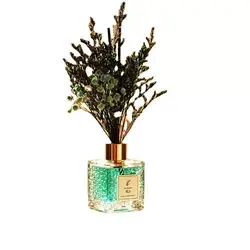
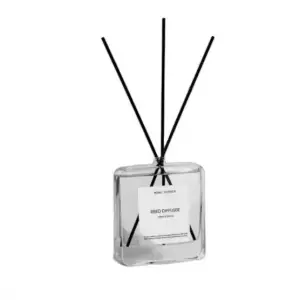
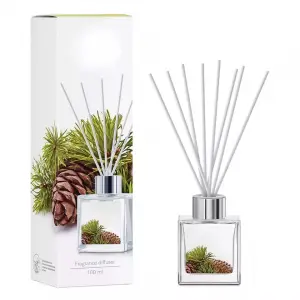
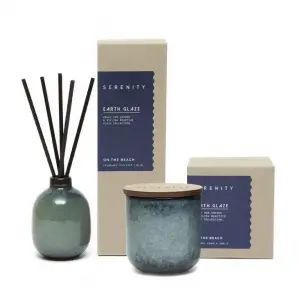
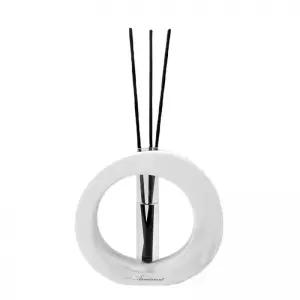
Simply put, scented sticks are thin, porous wooden or bamboo sticks infused with fragrant oils or compounds, designed to slowly release aroma into bathroom spaces. Unlike sprays or plug-ins, they rely on passive diffusion, making them energy-efficient and minimally intrusive. Typically placed in a container with essential oils or fragrance mixtures, they serve dual roles: freshening air and elevating the visual appeal with minimalist décor.
From a cultural and industrial standpoint, they bridge traditional aromatherapy and modern sanitation needs. Hospitals, hotels, and even public restrooms widely use them, highlighting their versatility and understated role in maintaining pleasant environments.
Most scented sticks are crafted from rattan or bamboo, prized for their absorbency and capillary action that draws fragrance oils upward. The choice of wood affects diffusion rates and longevity — engineered sticks can last weeks to months, depending on oil type and environmental conditions.
This is the heart of any scented stick. Essential oils like lavender or eucalyptus offer natural antiseptic properties alongside aromatic benefits, while synthetic fragrances can mimic popular scents or seasonal favorites. The balance of natural and synthetic oils impacts scent longevity and user sensitivity.
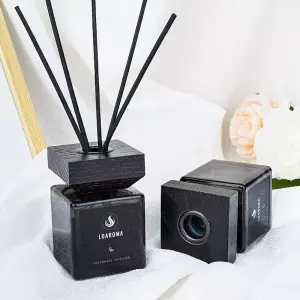
The vessel holding the fragrance oil stabilizes the liquid and controls evaporation. It also contributes to aesthetics, crucial for bathrooms that double as decorative spaces. Some designs incorporate sealed caps or adjustable top openings to modulate scent intensity.
How fast the scent disperses influences user experience: too strong, and it overwhelms; too weak, and it fails its purpose. Factors like room size, temperature, and airflow all affect this sweet spot, which manufacturers tweak during product development.
Many modern scented sticks emphasize non-toxic, cruelty-free formulas. Eco-conscious consumers prefer biodegradable sticks and ethically sourced oils, making sustainability a growing trend in the fragrance industry.
Mini takeaway: The synergy between wood material, oil formulation, container aesthetics, and diffusion mechanics defines the quality and effectiveness of scented sticks for bathrooms.
Scented sticks have found homes everywhere—from luxury hotels in Dubai to small rural clinics in Southeast Asia. In office buildings and airports, they offer continuous freshness without the noise or chemicals associated with aerosol sprays. Oddly enough, in regions recovering from natural disasters—where sanitation infrastructure is stretched—these sticks provide affordable comfort and help encourage hygiene compliance.
In residential settings, stick diffusers increasingly replace conventional air fresheners due to their gentle scent release and attractive designs. Meanwhile, manufacturers customize blends to cater to local preferences—citrus-heavy in Mediterranean markets, floral notes in Japan, or pine and spice in colder climates.
Mini takeaway: Both logical and emotional benefits make scented sticks a favored restroom accessory worldwide.
| Feature | Specification | Remarks |
|---|---|---|
| Stick Material | Natural Rattan or Bamboo | Biodegradable |
| Fragrance Type | Essential Oil Blend or Synthetic Mix | Customizable scents |
| Container Volume | 50 ml - 100 ml | Varies by brand |
| Longevity | 4 - 8 weeks | Ambient temperature affects |
| Scent Diffusion | Passive evaporation | No heat or electricity |
| Brand | Price Range | Fragrance Variety | Eco-friendliness | Typical Use |
|---|---|---|---|---|
| AromaLux | $15 - $30 | 20+ natural and synthetic | 100% biodegradable sticks | Home, hotel, spa |
| EcoMist | $12 - $25 | 15 mostly essential oil blends | Certified organic oils | Healthcare, offices |
| FreshAura | $18 - $35 | 25+ scents with seasonal specials | Partial recycled packaging | Corporate, retail bathrooms |
Honestly, the scented stick market is quietly innovating. Some brands tap into sustainable sourcing, using fairtrade essential oils or zero-waste packaging. Others experiment with smart diffusers that track scent levels and adapt diffusion rates based on room occupancy—though still niche. Plus, there's an ongoing push for non-toxic, allergen-free blends as consumers become more health-conscious.
There’s also growing interest in combining scent with antimicrobial properties—a relevant development especially for scented sticks for bathroom. This could mean not only a fresh smell but added hygiene benefits, dovetailing with global sanitation efforts.
Despite their merits, scented sticks face a few hurdles. For one, scent longevity varies with climate; hot, humid areas accelerate evaporation, reducing stick lifespan. Additionally, some users are sensitive to fragrances or prefer unscented bathrooms.
Manufacturers respond with options like adjustable scent dispensers and hypoallergenic fragrance blends. Plus, educating consumers about proper placement—away from direct sunlight or ventilation—improves effectiveness. Frankly, it’s about matching product design with real-world conditions and user needs.
In the end, scented sticks for bathroom offer a subtle, effective, and sustainable way to maintain freshness and hygiene. They address global sanitation challenges while enhancing comfort and dignity for all restroom users. For businesses, they’re economical and low-maintenance; for homes, a gentle luxury. If you haven’t experimented with scented sticks yet, now might be the perfect time to give this understated solution a try!
For a curated selection and expert advice, feel free to visit our website: https://www.litbright-candles.com
Final takeaway: Sometimes, the smallest enhancements make the biggest difference in how we experience everyday spaces.
References:
1. World Health Organization (WHO), Hygiene and Sanitation Reports.
2. United Nations, Urbanization Data: https://www.un.org/en/sections/issues-depth/urbanization/
3. ISO Standards on Fragrance and Consumer Safety.
Brighten Your Home Decor with a Beautiful Rainbow Candle
NewsApr.16,2026
Eco Friendly Luxury Home Decor with Refillable Candles Guide
NewsApr.09,2026
Discover the Power of Regenerative Candles for a Sustainable Lifestyle
NewsApr.07,2026
Enhance Your Wellbeing with the Soothing Power of Relaxing Candles
NewsApr.04,2026
Illuminate Your Home Sustainably with Reusable Candle Options
NewsMar.31,2026
Discover the Charm of Ribbed Candles for a Stylish and Inviting Home
NewsMar.28,2026
Products

 +8613838384866+8613102808187(Aromatherapy)+8615544503756(Candle)
 sales18@litbright.com(Aromatherapy)sales16@litbright.com(Candle)
RM 702, Bldg,A Lingshi Comm.Bldg., NO.351 Xinhua Road, Shijiazhuang, Hebei, China



 Send Email
 WhatsApp