The modern world increasingly demands sustainable solutions across all sectors, and home fragrance is no exception. The desire for pleasant scents shouldn't come at the expense of environmental well-being. A sustainable reed diffuser offers an elegant and eco-conscious alternative to traditional methods like aerosols and oil burners, reducing our reliance on harmful chemicals and minimizing environmental impact. Understanding this shift is crucial for both consumers and businesses alike.
The global fragrance market is a multi-billion dollar industry, projected to continue growing in the coming years. However, alongside this growth comes increasing scrutiny regarding the environmental footprint of traditional fragrance products. Many conventional air fresheners contain volatile organic compounds (VOCs) which contribute to indoor air pollution and pose health risks. This has fueled a growing demand for natural and sustainable alternatives.
Embracing a sustainable reed diffuser isn’t simply about choosing a different product; it’s a statement about values. It represents a commitment to a healthier home, a healthier planet, and a future where indulgence and responsibility can coexist harmoniously. This understanding is transforming the fragrance industry, leading to innovative materials, responsible sourcing, and a more mindful approach to scent.
Introduction: The Rise of Sustainable Fragrance
The demand for sustainable products is no longer a niche trend but a fundamental shift in consumer behavior. Consumers are actively seeking brands that align with their environmental values, and this extends to the home fragrance market. This increased awareness has sparked innovation in the development of sustainable reed diffuser options.
Traditionally, many air fresheners have relied on synthetic fragrances and aerosol propellants, contributing to indoor air pollution and environmental damage. The focus is now shifting towards natural essential oils, biodegradable materials, and refillable systems to minimize waste and reduce the carbon footprint. This transition signifies a conscious effort to create a more responsible and ethical fragrance industry.
Defining Sustainable Reed Diffusers
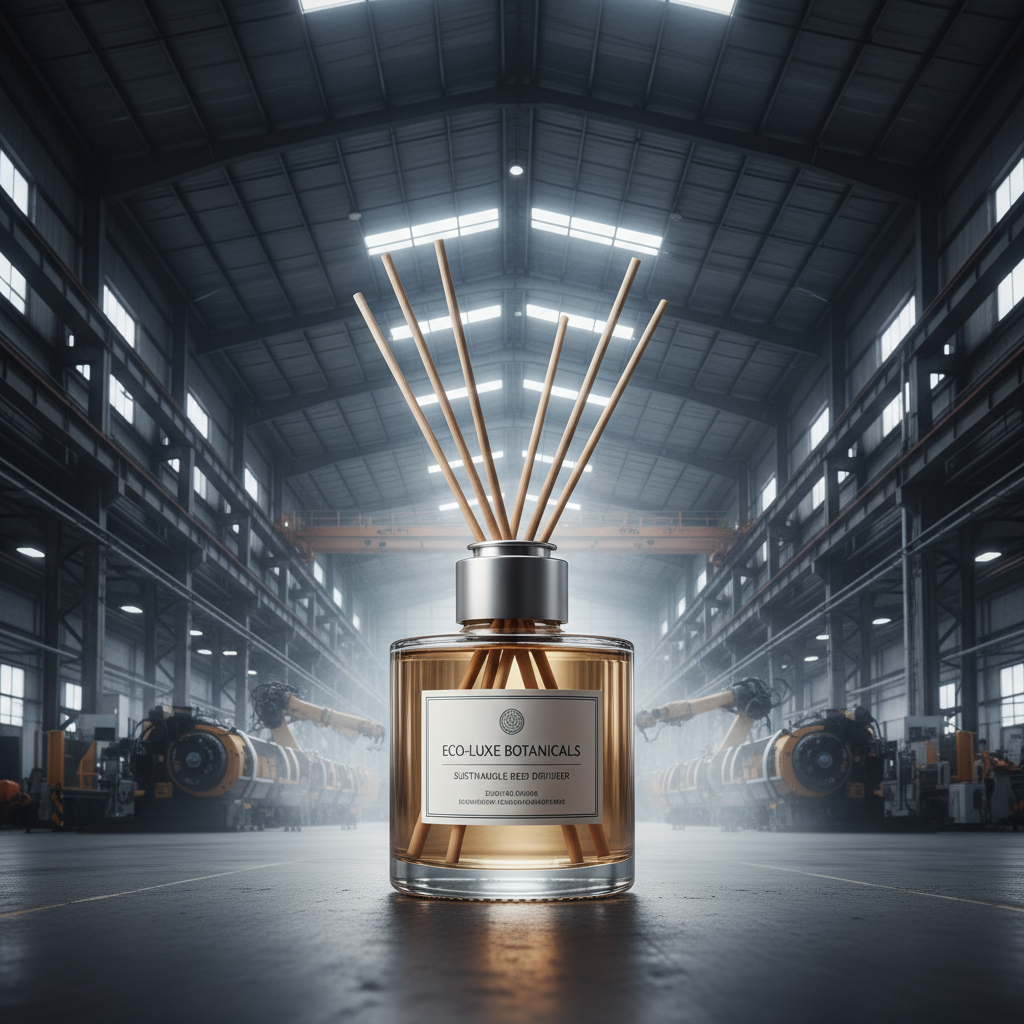
A sustainable reed diffuser is a home fragrance system that utilizes natural essential oils or fragrance oils diffused through porous reeds into the air. The key differentiating factor from conventional air fresheners lies in its commitment to environmental responsibility throughout the product lifecycle – from sourcing materials to manufacturing processes and end-of-life disposal.
Sustainability in this context encompasses several key aspects, including the use of renewable resources, minimizing waste, reducing carbon emissions, and avoiding harmful chemicals. A truly sustainable reed diffuser will prioritize eco-friendly packaging, responsibly sourced reeds (often rattan, a fast-growing grass), and biodegradable or recyclable components.
This definition extends beyond just the materials used; it also includes the overall business practices of the manufacturer, encompassing ethical sourcing, fair labor standards, and a commitment to transparency. A sustainable reed diffuser is a holistic approach to fragrance, prioritizing people and the planet alongside performance and aesthetics.
Key Components of a Sustainable Reed Diffuser
Several crucial elements contribute to a reed diffuser's sustainability profile. Firstly, the fragrance oil itself is paramount. Opting for 100% natural essential oils over synthetic fragrances drastically reduces the presence of potentially harmful VOCs and ensures biodegradability. Sourcing these oils responsibly, from farms employing sustainable harvesting practices, is also essential.
Secondly, the reeds themselves play a vital role. Rattan reeds are the most common choice due to their excellent porosity and renewability – rattan grows rapidly and requires minimal pesticides. However, ensuring the rattan is sourced from sustainably managed plantations is critical. Alternatives like bamboo are also gaining popularity.
Thirdly, the bottle and packaging materials significantly impact overall sustainability. Choosing glass bottles over plastic reduces reliance on fossil fuels and allows for easy recycling. Packaging should be minimal, using recycled cardboard and avoiding unnecessary plastic wrapping. Refill options are also important, encouraging consumers to reuse the bottle instead of discarding it.
Global Applications and Market Trends
The global demand for sustainable reed diffuser is experiencing substantial growth, particularly in North America and Europe, driven by increasing consumer awareness and stricter environmental regulations. The hospitality industry is also adopting these solutions to create a welcoming and eco-conscious atmosphere for guests.
In Asia-Pacific, where traditional incense and oil burners are prevalent, there’s a growing trend towards cleaner and more sustainable fragrance options, with reed diffusers gaining traction in urban areas. Retailers are responding by offering a wider selection of eco-friendly fragrance products, and online marketplaces are facilitating access to niche brands.
Beyond residential use, sustainable reed diffusers are finding applications in office spaces, spas, and retail environments. Businesses are increasingly recognizing the benefits of creating a pleasant and healthy atmosphere for employees and customers, aligning their branding with sustainability values.
Sustainable Reed Diffuser Market Share by Method
Advantages and Long-Term Value Proposition
Choosing a sustainable reed diffuser offers a multitude of benefits, both tangible and intangible. From a cost perspective, while the initial investment might be slightly higher than conventional air fresheners, the longevity of the fragrance and the option for refills often result in long-term savings.
The environmental benefits are significant. By avoiding harmful chemicals and prioritizing renewable materials, these diffusers reduce air pollution, minimize waste, and lessen the carbon footprint. Beyond the environmental impact, the use of natural essential oils provides aromatherapy benefits, promoting relaxation, reducing stress, and enhancing overall well-being.
Future Innovations in Sustainable Reed Diffuser Technology
The future of sustainable reed diffusers lies in ongoing innovation in materials and technology. Researchers are exploring the use of biodegradable polymers for bottle construction, reducing reliance on glass. New reed materials, such as mycelium (mushroom root), are being investigated for their superior porosity and compostability.
Smart reed diffusers, incorporating sensors and app connectivity, could allow users to remotely control fragrance intensity and schedule diffusion times, optimizing scent and conserving fragrance oil. Furthermore, advancements in biotechnology could lead to the development of sustainable and ethically sourced fragrance molecules, reducing the reliance on traditional essential oil production.
Challenges and Solutions for Widespread Adoption
Despite the growing demand, challenges remain in achieving widespread adoption of sustainable reed diffuser. One hurdle is the higher cost of sustainable materials and production processes, which can translate to a higher retail price. Educating consumers about the long-term value and benefits of these products is crucial.
Another challenge is ensuring transparency and traceability throughout the supply chain, verifying that materials are genuinely sourced sustainably and ethically. Certification programs and independent audits can help address this concern. Collaboration between manufacturers, retailers, and consumers is essential to drive demand and accelerate the transition towards a more sustainable fragrance industry.
Finally, overcoming consumer perceptions regarding the strength and longevity of natural fragrances compared to synthetic alternatives requires continued innovation and product development. Formulating highly concentrated essential oil blends and optimizing reed diffusion technology are key to delivering a superior fragrance experience.
Analysis of Key Factors Influencing Sustainable Reed Diffuser Performance
| Fragrance Oil Quality |
Reed Material & Porosity |
Bottle Material Sustainability |
Overall Environmental Impact Score (1-10) |
| 100% Natural Essential Oils |
Sustainably Sourced Rattan (High Porosity) |
Recycled Glass |
9 |
| 80% Natural/20% Synthetic |
Bamboo (Medium Porosity) |
Biodegradable Plastic |
7 |
| 50% Natural/50% Synthetic |
Generic Wood (Low Porosity) |
Standard Glass |
6 |
| 20% Natural/80% Synthetic |
Plastic (Low Porosity) |
Plastic |
3 |
| 100% Synthetic Fragrance |
Cotton (Medium Porosity) |
Recycled Plastic |
5 |
| 90% Natural/10% Synthetic |
Sustainably Sourced Rattan (High Porosity) |
Amber Glass |
8 |
FAQS
Sustainable reed diffusers utilize natural essential or fragrance oils diffused through reeds, eliminating the harmful propellants and synthetic chemicals found in aerosols. Aerosols contribute to indoor air pollution with VOCs and often use non-renewable resources. Reed diffusers are a more eco-friendly, healthier, and longer-lasting alternative, offering a subtle and consistent fragrance without harsh chemicals.
A typical sustainable reed diffuser can last anywhere from 30 to 90 days, depending on the size of the bottle, the concentration of the fragrance oil, and the ambient temperature. Factors like air circulation and direct sunlight can also affect the diffusion rate. Refills are readily available, allowing you to continue enjoying the fragrance without discarding the bottle.
While not all reeds are biodegradable, the most common material – rattan – is a naturally renewable resource. It grows quickly and requires minimal pesticides. However, proper disposal is still important. Bamboo is also a sustainable option. Some manufacturers are also exploring mycelium-based reeds for full biodegradability.
To maximize fragrance throw, place the diffuser in a high-traffic area with good air circulation, but away from direct sunlight or heat sources. Flip the reeds periodically (every week or two) to refresh the scent. Also, ensure the room isn’t overly ventilated, as this can disperse the fragrance too quickly. Using a larger bottle or more reeds can also increase the intensity.
While essential oils are generally considered safer than synthetic fragrances, some can be toxic to pets and children. It’s crucial to choose diffusers with pet-friendly and child-safe essential oil blends. Keep the diffuser out of reach of children and pets, and avoid direct contact with the oil. Always research the specific oils used in the diffuser before use.
The glass bottle can be recycled or repurposed for other uses. Rattan reeds are difficult to recycle and are best composted or disposed of responsibly. Some companies offer reed recycling programs. Packaging should be recycled whenever possible. Choosing a brand with refill options reduces waste significantly.
Conclusion
Sustainable reed diffusers represent a significant step forward in the home fragrance industry, offering a responsible and effective alternative to traditional methods. By prioritizing natural ingredients, renewable resources, and ethical practices, these diffusers minimize environmental impact and promote a healthier lifestyle. The benefits extend beyond just scent, encompassing well-being, reduced pollution, and a commitment to a more sustainable future.
As consumer awareness continues to grow, the demand for sustainable products will only increase. Investing in a sustainable reed diffuser is not merely a purchase; it’s a conscious choice to support a more responsible and ethical industry. Explore our range of eco-friendly options today and experience the difference.





 +8613838384866
 sales18@litbright.com(Aromatherapy)




 Send Email
 WhatsApp