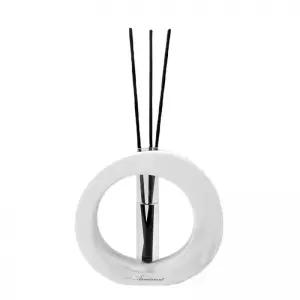
Understanding the Large Room Diffuser: Why It Matters in Today’s Spaces
The humble large room diffuser is more than just a neat gadget for spreading fragrance or fresh air; it’s an essential player in creating healthier, more enjoyable indoor environments — especially when dealing with bigger spaces. Globally, as more people spend time indoors for work, leisure, or even recovery, air quality and ambiance become crucial. According to the World Health Organization, indoor air pollution contributes substantially to disease burden worldwide. Plus, a pleasant scent or well-dispersed aroma can improve productivity and mood, making diffusers not only practical but deeply valuable. Grasping how large room diffusers work and their advantages could literally change the way we feel in our homes, offices, or public spaces.
The Global Landscape of Large Room Diffusers
Large room diffusers find relevance in practically every corner of the world—from bustling corporate centers in New York to quiet wellness retreats in Scandinavia. The International Organization for Standardization (ISO) highlights air quality controls as key to sustainable development, tying directly into diffuser technology. Globally, indoor spaces tend to trap pollutants and stale air, contributing to discomfort or worse, health risks. Large room diffusers address this by distributing essential oils or purified air uniformly, making them critical in healthcare facilities, hospitality sectors, and even emergency shelters. Oddly enough, while many still view diffusers as luxury home accessories, their strategic use in wider environments is accelerating. The challenge is balancing efficacy with design and sustainability to make them scalable and cost-effective.
What Exactly Is a Large Room Diffuser?
Put simply, a large room diffuser is a device designed to disperse scents or purified air evenly across sizable indoor areas—think of a conference room, a hotel lobby, or a large yoga studio. Unlike small diffusers meant for personal spaces or bedrooms, these appliances pack a little more punch: larger reservoirs, stronger airflow mechanisms, and smarter settings to cover more square footage without overpowering. They tend to use technologies like ultrasonic misting, nebulization, or HVAC integration to distribute fragrance or essential oils subtly but effectively. Their significance goes beyond sensory appeal—they help maintain an indoor atmosphere that supports wellbeing, hygiene, or even branding through signature scents.
Key Features That Make Large Room Diffusers Practical
1. Coverage Capacity
Large room diffusers are engineered to serve anywhere between 500 to 2,000 square feet—or even more—depending on the model. This feature is fundamental: no one wants a patchy scent that disappears halfway across the room.
2. Diffusion Technology
Ultrasonic and nebulizing technologies dominate here. Ultrasonic diffusers use vibrations to create a fine mist, ideal for humidifying air slightly. Nebulizers, meanwhile, deliver strong, fragrance-rich airflow without heat, preserving essential oil purity.
3. Reservoir Size and Runtime
Longer runtime (8-12 hours or continuous modes) means fewer interruptions in public spaces. Reservoir sizes typically range from 150ml to 300ml, ensuring the scent stays consistent throughout the day.
4. Customizable Settings
Adjustable intensity levels, timer options, and remote controls allow spaces to tailor ambiance based on the time of day or occasion, offering fine control that’s not just luxury but necessary for professional setups.
5. Durability and Maintenance
Robust designs with easy-to-clean components make a huge difference. In a busy environment, a diffuser that clogs or breaks down frequently will be quickly replaced.
Mini takeaway:
When selecting a large room diffuser, aim to balance coverage, technology, and user-friendly features for smooth day-to-day operation—especially in demanding spaces.
Real-World Applications of Large Room Diffusers
Talk to anyone managing a big facility, and they’ll tell you: scent and air quality are non-negotiable. Hospitals use large room diffusers not just for aroma but to promote calmness in waiting areas, alongside filtration systems. Luxury hotels have adopted signature large room diffusers as part of their branding—places like the Ritz-Carlton or Mandarin Oriental employ these devices to create distinct guest memories. Industrial zones in colder regions also incorporate diffusers to combat mustiness in warehouses or breakrooms. In humanitarian contexts, such as post-disaster shelters, large room diffusers help mask odors and improve mental wellbeing during difficult times.
One client I recall in Canada — a spa with over 3,000 square feet — replaced traditional HVAC scents with a custom nebulizing diffuser setup. The result was a subtle, persistent aroma that guests noticed positively without distraction. This kind of feedback is gold in service industries.
Product Specification Table
| Specification |
Typical Range |
Notes |
| Coverage Area |
500–2,000 sq. ft. |
Depends on diffuser model and scent strength |
| Run Time |
8–12 hours (continuous), up to 24h intermittent |
Timers optimize energy use |
| Reservoir Capacity |
150–300 ml |
Larger sizes reduce refills |
| Power Source |
AC adapter or plug-in USB |
Some models support battery for portability |
| Control Options |
Remote, touchscreen, smartphone apps |
Smart features boost flexibility |
Comparing Popular Large Room Diffuser Vendors
| Vendor |
Coverage (sq. ft.) |
Price (USD) |
Tech Type |
Special Features |
| AromaWave Pro |
1,800 |
$320 |
Nebulizing |
App control, timer, refill indicator |
| PureMist XL |
2,000 |
$280 |
Ultrasonic |
Quiet operation, LED mood lighting |
| ScentSphere Max |
1,200 |
$350 |
Nebulizing |
Smart sensors, auto-shutoff |
| EcoBreeze Deluxe |
1,500 |
$270 |
Ultrasonic |
Energy-efficient, quiet mode |
Advantages & Long-Term Benefits of Large Room Diffusers
Using these devices goes beyond making a room smell nice. There's a tangible social and practical impact. Cost-wise, they’re efficient; a single reservoir can last through the day with little upkeep, reducing cleaning and maintenance tasks. From a sustainability point of view, many models support eco-friendly essential oils and materials that lower environmental footprints. Emotionally, a pleasant scent can ease anxiety and foster comfort — essential in places like clinics or lounges. Reliability is another biggie: running all day without fail builds trust in the environment, whether for staff, guests, or patients. I suppose it’s funny how scent is often underestimated in facility management until you experience a contrasting sterile or musty room. Innovation, meanwhile, means fewer fumes or allergens, which is a win-win for health and safety.
Looking Forward: Innovations and Emerging Trends
The future is exciting for large room diffusers. Automation is pushing towards smart diffusers integrated with building management systems that adjust scent output depending on occupancy or time. Green energy is also influencing designs that use solar or low wattage to minimize electricity use. Materials continue evolving—biodegradable and recyclable plastics, and even 3D-printed components tailored for longevity. In addition, expect more app-driven customization, letting users change scent profiles quickly via their phone. Some innovators are blending diffusers with air purification tech, marrying aroma with real filtration in one device. Overall, the path points to sustainability paired with intelligent design, perfect for the eco-conscious facilities of tomorrow.
Challenges and How Industry Experts Are Tackling Them
No device is perfect—large room diffusers face issues like uneven scent distribution in oddly shaped rooms, oil residue buildup, or noise in quiet environments. Some diffusers don’t mix well with certain essential oils, causing clogging. However, engineers recommend modular diffuser setups placed strategically combined with periodic deep cleaning to combat these problems. Advances in nebulizing tech and sensor feedback loops help maintain ideal concentration without over-saturation. For maintenance costs, subscription services for refills and parts make ownership less of a headache. The key takeaway is that the market is aware of these limitations and works actively to innovate solutions matching diverse user needs.
FAQ: Your Burning Questions About Large Room Diffusers
Q1: How do large room diffusers differ from regular diffusers?
A: Large room diffusers cover much bigger spaces—upwards of 1,000 sq. ft.—using stronger diffusion methods and larger reservoirs. Regular diffusers are generally for personal or small room use and can’t fill large areas effectively.
Q2: Are large room diffusers safe for people with allergies?
A: Most are safe when using natural, hypoallergenic essential oils, but it depends on personal sensitivities. Some models include filtration or air purifying features to help reduce allergens.
Q3: How often do I need to refill a large room diffuser?
A: Typically every 8–12 hours of continuous use, but this varies by reservoir size and diffusion intensity.
Q4: Can I pair a large room diffuser with HVAC systems?
A: Yes, some diffusers are designed to integrate with HVAC ductwork, distributing scent evenly through climate-controlled air.
Q5: What essential oils work best for large room diffusers?
A: High-quality, 100% pure oils like lavender, eucalyptus, or citrus blends provide consistent aromas without clogging devices.
In Summary: Why Investing in a Large Room Diffuser Pays Off
Whether you’re managing a bustling office, a wellness center, or a hotel lobby, the large room diffuser is a smart, versatile investment. It enhances air quality and creates welcoming atmospheres in spaces where first impressions and wellbeing matter. Aside from the obvious practical benefits, these diffusers offer an emotional uplift that few environmental tools can match. If you’re curious to see how these devices can transform your space, I recommend checking out
large room diffuser options available today. It’s fascinating how something so simple can feel quite profound when experienced right.
Sources:
1. World Health Organization (WHO) – Indoor Air Quality
2. ISO Standards on Air Quality Management
3. Wikipedia – Aromatherapy and Diffusion Techniques



 +8613838384866
 sales18@litbright.com(Aromatherapy)



 Send Email
 WhatsApp