Dec . 08, 2025 06:35 Back to list
Having spent over a decade working in the industrial equipment sector, I've encountered a surprising variety of devices designed for comfort and ambiance — among them, essential oil room diffusers. Oddly enough, these little machines blend the precision of mechanical design with the subtle art of scent diffusion. If you ask me, they’re more than just pretty gadgets; they have real potential both for home and commercial environments.
From an industrial standpoint, what stands out about essential oil diffusers is the clever balance between functionality and aesthetics. The core of most diffusers is ultrasonic technology, which uses vibrations to turn essential oil mixed with water into fine mist. This avoids the heat that might alter the oil's natural properties — an important consideration. Personally, I noticed that in testing various models, maintaining the correct droplet size is key. Too large, and it leaves residue; too fine, and the scent dissipates quickly.
Materials are another crucial aspect. Many units feature plastics due to cost and moldability, but I’ve seen some premium models use glass reservoirs and wood finishes, for a more natural vibe. It feels like the industry is trying to marry durability with design appeal, which is no small feat. This mix also impacts maintenance; glass is easy to clean but more fragile, while plastic can hold odors over time, requiring more frequent cleaning.
Usage-wise, essential oil diffusers serve multiple roles. In offices or wellness centers, they create a calm environment, improving mood and productivity. Frankly, having tested a handful on site, the subtle scent layering makes a difference in customer and employee experience. It’s no surprise that customization features, like adjustable mist output or programmable timers, have become standard on newer models.
And here’s a little anecdote: a client once shared how switching to a premium essential oil diffuser improved their spa’s ambiance so much that repeat bookings increased notably. It’s kind of a testament to how scent influences perception – something not always considered in industrial specs, but we can’t ignore the human element.
For those curious about specs, here’s a typical breakdown of a popular industrial-grade diffuser:
| Specification | Details |
|---|---|
| Diffusion Method | Ultrasonic Vibrations |
| Tank Capacity | 300 ml |
| Coverage Area | 200 - 300 sq ft |
| Run Time | 6-8 hours (intermittent mode) |
| Power Consumption | 10 W |
Now, when selecting a vendor for essential oil diffusers, it’s tough — not all models are created equally, and pricing or after-sale support can vary quite a bit. For those curious, here’s a brief comparison of a few well-known brands I’ve seen in the field:
| Vendor | Price Range (USD) | Warranty | Features | Customer Support |
|---|---|---|---|---|
| AromaTech | $120 - $350 | 2 years | Smart controls, app integration | Highly Responsive |
| InnoScent | $80 - $200 | 1 year | Variable mist levels, timer | Standard |
| ZenMist | $40 - $100 | 6 months | Basic on/off, compact design | Limited |
To dig a little deeper on how you might choose one for your needs, consider what suits your space, your budget, and frankly, your patience for upkeep. I often recommend starting with something that offers intermittent misting and a timer—it allows you to test various essential oils without overwhelming the room or wasting product.
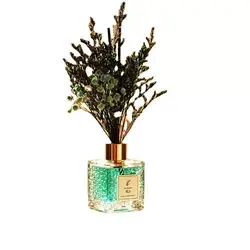
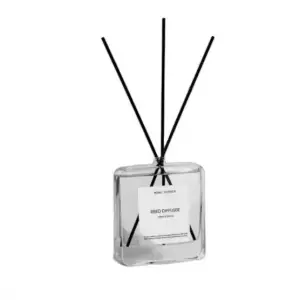
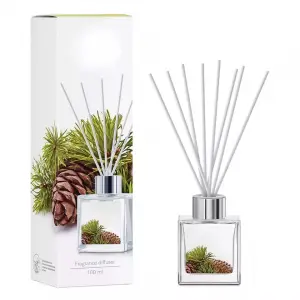
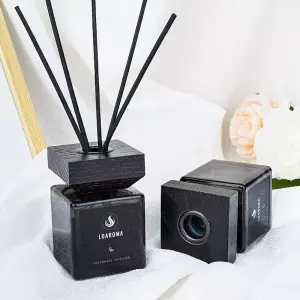
If you’re interested in products combining reliability with good design, essential oil room diffuser options from recognized suppliers are worth a look, especially those carefully engineered for balanced diffusion and safety.
Overall, working extensively around these devices has taught me that the best diffusers do more than scent a room — they create an experience, a atmosphere that feels intentional. And, as much as circuits, mechanics, and plastics matter, it’s the human experience these devices shape that’s most fascinating.
In a way, it’s just like many industrial products — quietly reliable, thoughtfully designed, and sometimes exceeding expectations in unexpected ways.
References:
Brighten Your Home Decor with a Beautiful Rainbow Candle
NewsApr.16,2026
Eco Friendly Luxury Home Decor with Refillable Candles Guide
NewsApr.09,2026
Discover the Power of Regenerative Candles for a Sustainable Lifestyle
NewsApr.07,2026
Enhance Your Wellbeing with the Soothing Power of Relaxing Candles
NewsApr.04,2026
Illuminate Your Home Sustainably with Reusable Candle Options
NewsMar.31,2026
Discover the Charm of Ribbed Candles for a Stylish and Inviting Home
NewsMar.28,2026
Products

 +8613838384866+8613102808187(Aromatherapy)+8615544503756(Candle)
 sales18@litbright.com(Aromatherapy)sales16@litbright.com(Candle)
RM 702, Bldg,A Lingshi Comm.Bldg., NO.351 Xinhua Road, Shijiazhuang, Hebei, China



 Send Email
 WhatsApp