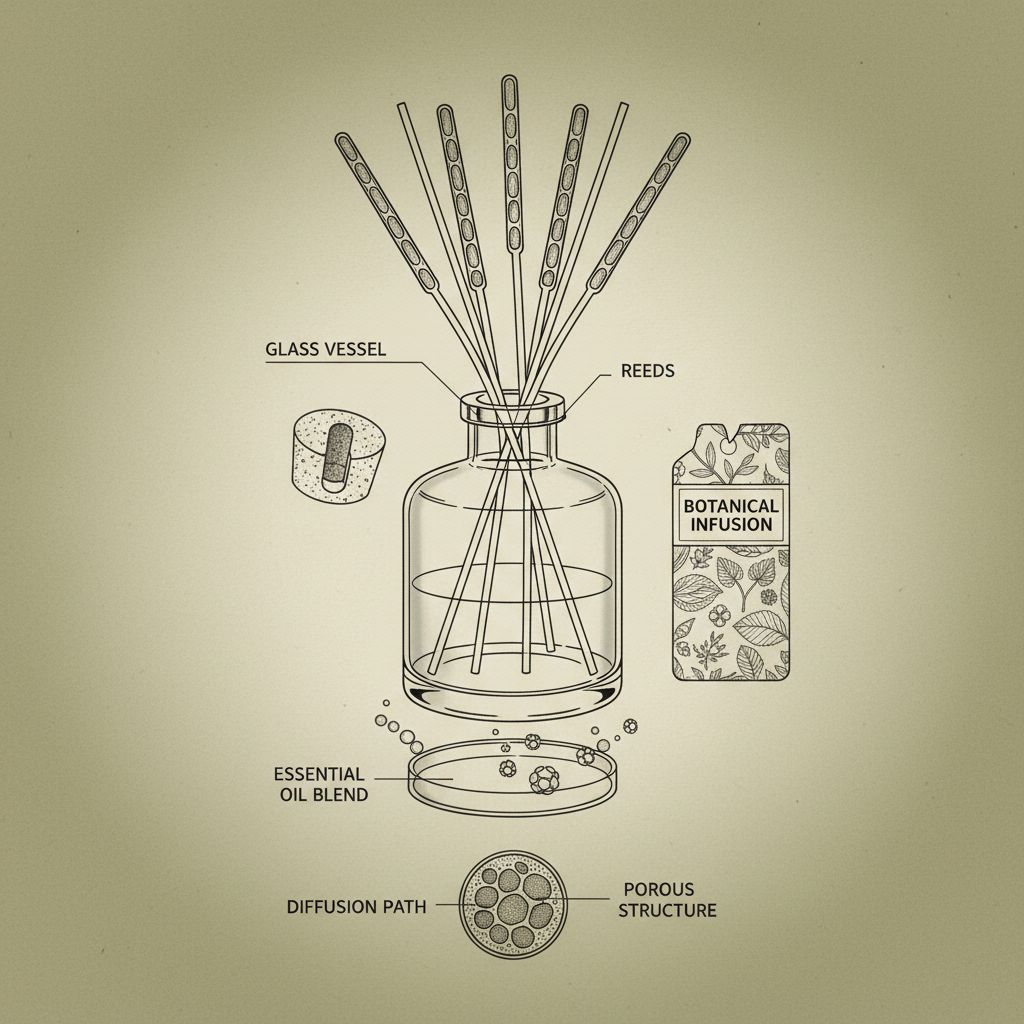
The world increasingly demands efficient and reliable illumination solutions, and the wick vessel diffuser stands as a cornerstone of this need. From providing ambient lighting in homes to serving as critical components in larger industrial applications, these diffusers are ubiquitous, yet often underestimated. Understanding their functionality, benefits, and evolving technologies is paramount for anyone involved in lighting design, manufacturing, or simply seeking optimal illumination.
The significance of the wick vessel diffuser extends beyond mere light output. It represents a delicate balance between fuel source, wick material, and vessel design, all working in concert to produce a consistent and controlled flame. This control directly impacts safety, burn time, and the overall quality of light. Recent advancements in materials and manufacturing techniques are continually pushing the boundaries of what's possible with wick vessel diffuser technology.
Furthermore, the versatility of the wick vessel diffuser makes it a practical solution across diverse settings. Whether it's the warm glow of a scented candle creating a relaxing atmosphere or the robust flame of a utility lamp providing essential light during power outages, its adaptability is a key driver of its continued popularity and innovation.
The Core Principles of wick vessel diffuser
At its heart, the wick vessel diffuser operates on the principle of capillary action. The wick draws molten fuel (typically wax, oil, or a similar combustible substance) upwards, where it is vaporized by the heat of the flame. This vapor then combusts, producing light and heat. The vessel itself serves to contain the fuel and provide a stable base for the wick.
The effectiveness of this process is heavily reliant on the interplay between the wick’s material, its diameter, the fuel's viscosity, and the vessel’s geometry. Optimizing these factors is crucial for achieving a consistent, clean, and safe burn. Modern wick vessel diffuser designs often incorporate features to control airflow and minimize soot production.
The Global Impact of wick vessel diffuser
The wick vessel diffuser’s impact is truly global, spanning both developed and developing nations. According to the National Candle Association, the candle industry alone represents a multi-billion dollar market annually, with a significant portion relying on wick and vessel technology. This demand is driven by both decorative and utilitarian purposes, with candles being a staple in many cultures for religious ceremonies, celebrations, and everyday use.
However, its importance isn't limited to candles. Oil lamps utilizing wick vessel diffuser principles remain a critical source of lighting in regions lacking access to reliable electricity. The World Bank estimates that over 750 million people worldwide lack access to electricity, relying on less efficient and often more hazardous alternatives. Wick vessel diffuser-based lighting offers a relatively affordable and accessible solution.
Furthermore, the industry faces challenges related to sustainability and environmental impact. The sourcing of fuel materials, the production of wicks, and the disposal of vessels are all areas under scrutiny. The ISO standards for candle and lamp safety (ISO 9999) provide guidelines, but ongoing innovation is necessary to address growing environmental concerns.
Defining wick vessel diffuser: A Technical Overview
A wick vessel diffuser can be technically defined as a system consisting of a fuel reservoir (the vessel), a porous material (the wick) that draws fuel via capillary action, and a combustion zone where the fuel vaporizes and ignites, producing light and heat. The efficiency of this system is determined by factors like the wick’s structure, the fuel’s properties, and the vessel’s design, all of which influence the rate of fuel consumption and the quality of combustion.
In modern industrial contexts, these diffusers aren't limited to simple candle designs. They can be found in more complex applications like emergency lighting systems, portable fuel stoves, and even specialized heating devices. The underlying principle remains the same: controlled combustion facilitated by a wick and vessel combination. Wick vessel diffuser technology, therefore, represents a core component in a wide range of everyday and specialized tools.
The connection to modern industry and humanitarian needs arises from its inherent simplicity, affordability, and reliability. It provides a light source or heat source independent of complex electrical infrastructure. This is particularly vital in disaster relief efforts, remote locations, or situations where grid power is unavailable.
Key Factors Influencing wick vessel diffuser Performance
Several key factors dictate the performance of a wick vessel diffuser system. First, Wick Material significantly impacts fuel absorption and combustion efficiency. Cotton wicks are common, but variations in fiber density and treatment can dramatically alter burn characteristics. Second, Fuel Viscosity dictates the rate at which the wick can draw fuel. Higher viscosity fuels require wicks with larger pores.
Third, Vessel Geometry affects airflow and heat distribution. Narrower vessels tend to concentrate heat, promoting more complete combustion, while wider vessels offer greater fuel capacity. Fourth, Wick Diameter must be appropriately matched to the fuel and vessel size. A wick that is too small will produce a weak flame, while one that is too large will generate excessive soot. Finally, Airflow around the flame plays a vital role in supplying oxygen for combustion and removing byproducts. Optimizing these factors results in brighter, cleaner, and more efficient illumination.
Performance Metrics for Different wick vessel diffuser Designs
Diverse Applications of wick vessel diffuser Worldwide
The applications of wick vessel diffuser technology are surprisingly broad. In residential settings, candles remain a popular choice for ambiance, scent, and emergency lighting. In religious ceremonies across various faiths, oil lamps using wick vessel diffuser principles are integral to rituals and traditions.
In post-disaster relief operations, simple oil lamps provide critical illumination when electricity is unavailable. Organizations like the Red Cross often distribute these lamps alongside emergency supplies. In remote industrial zones, wick-based heating systems are sometimes used for localized warming or process applications. Furthermore, the camping and outdoor recreation industries rely heavily on wick-based lanterns and stoves for portable lighting and cooking.
Advantages & the Long-Term Value Proposition
The primary advantage of the wick vessel diffuser is its simplicity and reliability. It requires minimal infrastructure and is largely independent of external power sources. From a cost perspective, it's often significantly cheaper than alternatives like electric lighting or gas lamps, particularly in areas with limited resources. The sustainability aspect is improving with the development of biofuels and eco-friendly wick materials.
Beyond these tangible benefits, the wick vessel diffuser offers emotional value. The soft glow of a candle can create a sense of warmth, tranquility, and security. This contributes to its enduring appeal and continued relevance. Finally, from a humanitarian standpoint, providing access to safe and reliable lighting empowers communities, improves safety, and enables educational and economic opportunities.
Future Trends & Innovation in wick vessel diffuser Technology
Future trends in wick vessel diffuser technology are focused on sustainability, efficiency, and safety. Research into biofuels derived from renewable sources (algae, plant oils) promises to reduce reliance on traditional petroleum-based fuels. Innovations in wick materials, such as self-trimming wicks or wicks made from recycled fibers, are improving combustion efficiency and reducing soot production.
Digital transformation is also playing a role, with the development of smart candles and lamps that incorporate features like automatic shut-off timers, scent diffusion controls, and remote monitoring. Automation in manufacturing processes is driving down production costs and improving quality control. Ultimately, the goal is to create wick vessel diffuser systems that are not only reliable and affordable but also environmentally responsible.
The integration of advanced materials, such as ceramic or metal vessels with enhanced thermal properties, is also being explored to improve heat distribution and extend burn times.
FAQS
The main safety concerns are related to fire hazards. Never leave a burning wick vessel diffuser unattended, keep it away from flammable materials, and ensure it's placed on a stable, heat-resistant surface. Regularly trim the wick to prevent excessive smoking or flare-ups. Using vessels designed for the specific fuel type and following manufacturer instructions are also crucial for safe operation. Proper ventilation is important to avoid buildup of combustion byproducts.
The fuel’s viscosity, flashpoint, and combustion properties significantly affect performance. Lower viscosity fuels are absorbed more easily by the wick, but may burn more quickly. Higher viscosity fuels burn slower but may require a larger wick. The flashpoint determines how easily the fuel vaporizes, impacting flame height and soot production. Choosing a fuel specifically designed for wick vessel diffuser applications ensures optimal combustion and safety.
Cotton is the most common wick material, known for its good absorption and relatively clean burn. However, it can produce soot if not properly sized or maintained. Synthetic wicks, like those made from rayon or nylon, can offer improved rigidity and burn consistency. Metal core wicks provide increased stability but may release trace amounts of metal into the combustion process. The ideal material depends on the fuel type and desired performance characteristics.
Minimizing soot requires several steps. First, ensure the wick is trimmed to approximately 1/4 inch before each use. Second, avoid drafts, as they can cause incomplete combustion. Third, choose a fuel that is appropriate for the wick and vessel. Fourth, ensure adequate ventilation in the area. Finally, consider using a wick vessel diffuser with a self-trimming wick or one that is designed to optimize airflow.
Yes, several eco-friendly alternatives exist. Soy wax, beeswax, coconut wax, and vegetable wax are all renewable and biodegradable options. They typically produce less soot than paraffin wax and have a lower environmental impact. However, they may have different burn characteristics, so it’s important to choose a wick size appropriate for the chosen wax type. The cost of these alternatives can be higher than paraffin wax.
The lifespan depends heavily on usage and maintenance. The vessel itself, if made from durable materials like glass or metal, can last indefinitely with proper care. Wicks, however, need to be replaced periodically as they wear down or become clogged. A properly maintained wick vessel diffuser can provide years of reliable service. Regular cleaning of the vessel and ensuring proper fuel storage also contribute to longevity.
Conclusion
The wick vessel diffuser, despite its simplicity, remains a remarkably versatile and enduring technology. From providing essential lighting in resource-constrained settings to creating ambiance in modern homes, its adaptability is undeniable. Understanding the core principles of its operation, the factors that influence its performance, and the emerging trends in materials and design is critical for maximizing its potential.
Looking forward, continued innovation in sustainable fuels, intelligent designs, and automated manufacturing processes will further enhance the value proposition of the wick vessel diffuser. By embracing these advancements, we can ensure that this time-tested technology continues to illuminate and enrich lives for generations to come. Visit our website today at www.litbright-candles.com to explore our range of products!






 +8613838384866
 sales18@litbright.com(Aromatherapy)




 Send Email
 WhatsApp