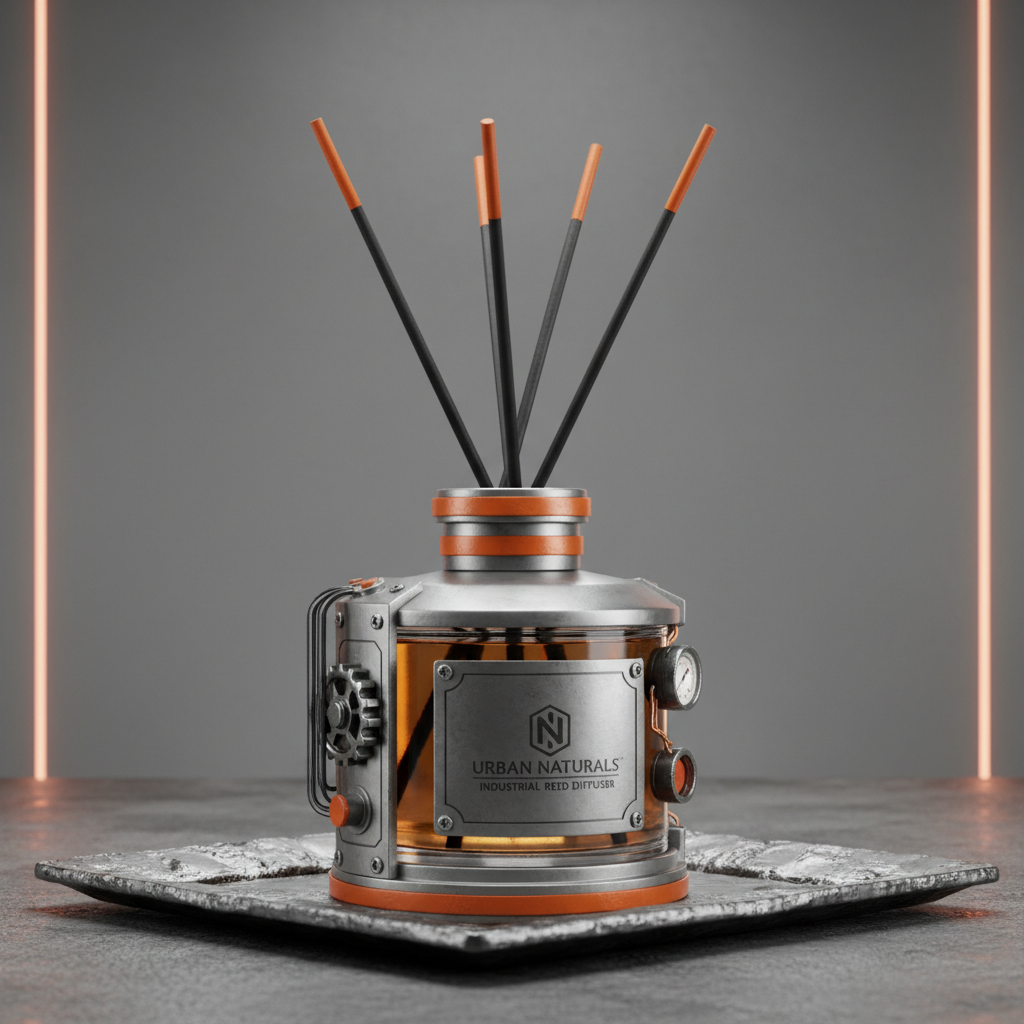
The modern pursuit of wellness has shifted the focus of home fragrance from mere olfactory pleasure to a deeper concern for respiratory health and environmental safety. For many, the transition to non toxic diffusers represents a commitment to removing endocrine disruptors and synthetic phthalates from their living spaces, ensuring that the air they breathe is as pure as it is fragrant.
Globally, the demand for clean-label home scents has surged as consumers become more aware of the volatile organic compounds (VOCs) often found in traditional air fresheners. By prioritizing non toxic diffusers, individuals can create a sanctuary that promotes relaxation without compromising the long-term health of their children, pets, or themselves.
Understanding the nuances of non-toxic scent delivery—ranging from cold-air nebulization to ultrasonic vibration—is essential for anyone looking to optimize their indoor air quality. This guide explores the intersection of material science and aromatherapy, illustrating how the right choice in diffusion technology can transform a household into a health-conscious haven.
The Global Shift Toward Non Toxic Diffusers
The global home fragrance market is undergoing a seismic shift, driven by an increasing overlap between interior design and public health. According to recent environmental health trends, the rise in indoor air pollution—often exacerbated by synthetic fragrances—has led millions of households to seek alternatives. non toxic diffusers have emerged as the primary solution, replacing chemical-heavy aerosols with pure, plant-based essential oils.
This transition is not merely a trend but a response to ISO standards regarding indoor air quality and a growing body of research linking synthetic musks to endocrine disruption. As urbanization increases, the need for "biophilic" home elements that mimic nature becomes critical. By integrating clean diffusion technology, users are effectively bridging the gap between industrial living and natural wellness.
Defining Non Toxic Diffusers in Modern Wellness
In simple terms, non toxic diffusers are devices designed to disperse fragrance into the air without the use of harmful chemicals, phthalates, or paraffin-based carriers. Unlike traditional plugins that may release formaldehyde or benzene when heated, non-toxic versions rely on mechanical processes—such as ultrasonic vibrations or cold-air nebulization—to break down essential oils into a fine mist.
From an industrial perspective, the "non-toxic" label refers to the entirety of the product lifecycle: from the BPA-free plastics and medical-grade glass used in the hardware to the purity of the oils used. This holistic approach ensures that no off-gassing occurs during operation, making these devices safe for sensitive populations, including infants and those with asthma.
Connecting this to humanitarian needs, the adoption of clean scenting is often linked to mental health support. Aromatherapy, when delivered via safe, chemical-free channels, is used globally to reduce cortisol levels and manage stress in high-pressure environments, proving that the intersection of safety and fragrance is vital for emotional regulation.
Core Components of Safe Scent Delivery
The efficacy of non toxic diffusers depends heavily on material integrity. Using high-borosilicate glass or pharmaceutical-grade polymers prevents the essential oils—which can be corrosive—from leaching plastic chemicals into the air. This durability ensures that the device remains safe over years of continuous use.
Another critical component is the delivery mechanism. Ultrasonic technology uses a metal diaphragm vibrating at high frequencies to create a cool mist, which preserves the therapeutic properties of the oils. By avoiding heat, these non toxic diffusers prevent the oxidation of oils, which can otherwise create irritating byproducts.
Finally, the scalability of scent coverage is achieved through precise airflow engineering. Whether it is a small bedroom or a large open-concept living room, the ability to control the output ensures that the concentration of oils remains within safe, non-irritating limits, maintaining a healthy balance between fragrance and air purity.
Performance Metrics of Diffusion Methods
When selecting between various types of non toxic diffusers, users often evaluate them based on scent throw, energy efficiency, and ease of maintenance. Each method offers a different profile of performance, catering to either those who want a subtle background aroma or those seeking a powerful, therapeutic experience.
The following data reflects the average user satisfaction and safety ratings across the most popular non-toxic delivery systems, highlighting how nebulization often leads in purity due to the absence of water.
Performance Comparison of Non Toxic Diffusers
Real-World Applications Across Diverse Environments
The application of non toxic diffusers extends far beyond the home. In healthcare settings, such as pediatric clinics or dental offices, these devices are used to reduce patient anxiety through a gentle dispersal of calming oils like lavender, without introducing synthetic irritants that could trigger allergic reactions in vulnerable patients.
In the corporate world, "sensory branding" has evolved to prioritize employee health. Modern offices in tech hubs like Singapore and San Francisco are implementing large-scale non toxic diffusers to improve cognitive focus and air freshness, replacing traditional HVAC-based chemical scenting with a more organic, sustainable approach.
Long-Term Value and Sustainability Benefits
Investing in non toxic diffusers yields significant long-term value by reducing the "chemical load" on the human body. By eliminating phthalates—known as "fragrance" on most labels—users reduce the risk of hormonal imbalances and chronic respiratory inflammation, leading to a tangible increase in overall well-being.
From a sustainability perspective, these devices promote a circular economy. Many are designed with refillable glass reservoirs and biodegradable oil options, drastically reducing the plastic waste associated with disposable aerosol cans and single-use plugins. This alignment with "Green Home" certifications makes them a favorite for eco-conscious consumers.
Furthermore, the reliability of high-quality, non-toxic hardware means fewer replacements. A well-engineered ultrasonic diffuser can last for years, providing a cost-effective alternative to the continuous purchase of expensive, low-quality chemical refills.
Future Innovations in Clean Fragrance Tech
The future of non toxic diffusers is leaning heavily toward digitalization and "Smart Scenting." We are seeing the emergence of AI-driven devices that monitor indoor air quality in real-time and adjust the diffusion rate based on the number of people in the room or the detected VOC levels, ensuring optimal air purity at all times.
Material science is also evolving, with the development of bio-based polymers derived from cornstarch or algae to replace all plastics in the device construction. These next-generation materials ensure that the device is 100% compostable at the end of its life, fulfilling the ultimate goal of a zero-waste fragrance ecosystem.
Additionally, the integration of green energy, such as solar-powered diffusion for outdoor patios and garden spaces, is expanding the reach of non-toxic scenting. This allows for the natural repulsion of insects and the enhancement of outdoor ambiance without introducing harmful toxins into the soil or local wildlife.
Analysis of Future Technological Trends in Non Toxic Diffusers
| Innovation Category |
Technology Used |
Health Impact |
Eco-Score (1-10) |
| Smart Sensing |
AI Air Quality Sensors |
Prevents Over-Saturation |
9 |
| Bio-Materials |
Mycelium/Algae Plastics |
Zero Off-Gassing |
10 |
| Energy Source |
Integrated Solar Cells |
Carbon Footprint Reduction |
8 |
| Diffusion Method |
Cold-Plasma Nebulization |
Maximum Oil Purity |
7 |
| Control Interface |
IoT App Integration |
Precision Dosage |
8 |
| Scent Sourcing |
Lab-Grown Botanicals |
Hypoallergenic Purity |
9 |
FAQS
A diffuser is considered non-toxic when it is constructed from materials that do not leach chemicals (like BPA-free plastic or glass) and utilizes a delivery method that doesn't create harmful byproducts through heat. Most importantly, it is paired with 100% pure essential oils free from synthetic fragrances and phthalates.
Generally, yes, because they eliminate synthetic toxins. However, it is crucial to use pet-safe and baby-safe essential oils, as some natural oils (like tea tree or peppermint) can be too strong for small animals or infants. Always ensure the room is well-ventilated.
To maintain the "non-toxic" benefit, you should only use therapeutic-grade, pure essential oils. Avoid "fragrance oils" or "perfume oils," which often contain the very synthetic chemicals and phthalates that non-toxic diffusers are intended to replace.
They work differently. While sprays provide an instant, intense burst of scent, non-toxic diffusers provide a consistent, subtle, and therapeutic atmosphere. The scent throw may be more gradual, but it is far healthier and typically lasts longer in the environment.
Avoid using harsh chemical cleaners. The best way to maintain a non-toxic device is to use a mixture of distilled white vinegar and water. This removes oil buildup and mineral deposits without introducing new toxins into your air.
Ultrasonic diffusers use water and vibrations to create a mist, which also adds slight humidity to the air. Nebulizing diffusers use a jet of air to atomize the oil directly without water, resulting in a more concentrated and potent scent delivery.
Conclusion
The adoption of non toxic diffusers represents a pivotal step toward a healthier, more conscious home environment. By combining high-grade materials with pure botanical extracts, these devices solve the age-old conflict between wanting a fragrant home and wanting clean air. From reducing the chemical load on our endocrine systems to supporting mental wellness through aromatherapy, the benefits are both tangible and transformative.
As we look toward the future, the integration of smart technology and biodegradable materials will only make these solutions more accessible and sustainable. We encourage everyone to audit their home fragrance habits and make the switch to a safer, cleaner alternative. For high-quality fragrance and wellness solutions, visit our website: www.litbright-candles.com




 +8613838384866
 sales18@litbright.com(Aromatherapy)




 Send Email
 WhatsApp