
Leave Your Message

If you are interested in our products, you can choose to leave your information here, and we will be in touch with you shortly.


Premium botanica reed diffuser Solutions for Libya Market

Integrating advanced non-metallic mineral glass craftsmanship with luxury home fragrance systems tailored for the North African climate.

Premium botanica reed diffuser Solutions for Libya Market

We provide high-durability glass vessel manufacturing and aromatic solutions specifically designed to withstand the thermal fluctuations and aesthetic preferences of the Libyan luxury interior market.

Glass Fragrance Vessel Landscape in Libya

Analyzing the intersection of mineral glass manufacturing and home scenting in Africa's Mediterranean coast.

In Libya, the home fragrance market is heavily influenced by the arid climate and the preference for strong, long-lasting scents. The demand for a high-quality reed diffuser has grown as urban centers like Tripoli and Benghazi embrace modern interior design, shifting from traditional incense to sophisticated glass-based diffusion systems.

The manufacturing challenge in this region revolves around the thermal stability of the glass. High ambient temperatures can accelerate the evaporation of reed diffuser blends, necessitating thicker, UV-resistant glass vessels that protect the essential oils from degradation caused by intense North African sunlight.

Furthermore, there is a rising consciousness regarding health and safety. Consumers are increasingly seeking a non toxic reed diffuser, pushing manufacturers to move away from phthalate-heavy solvents toward eco-friendly, mineral-based glass packaging that ensures no chemical leaching occurs over time.
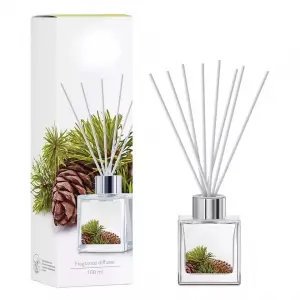
Evolution of Fragrance Glass Manufacturing

From artisanal glass blowing to precision-engineered aromatic vessels.

Market Development History

Prior to 2010, the Libyan market relied heavily on imported generic glass containers with low thermal resistance. The initial phase focused on simple functionality, where basic glass jars were used for scenting, often lacking the seal integrity required for concentrated oils.

Between 2010 and 2020, the industry saw a transition toward specialized "wick vessel" designs. The introduction of the wick vessel diffuser allowed for better control of scent throw and increased the lifespan of the fragrance by optimizing the neck diameter of the glass bottle.

Since 2021, the integration of high-borosilicate glass and advanced coating technologies has enabled the production of luxury vessels that are both aesthetically superior and chemically inert, catering to the high-end hospitality sectors in Libya.

Future Development Trends

Smart Glass Integration

Expect a shift toward photochromic glass that changes opacity based on light intensity, protecting sensitive aromatic compounds from UV rays.

Sustainable Mineral Sourcing

A move toward 100% recycled crushed glass cullet in the manufacturing process to reduce the carbon footprint of non-metallic mineral production.

Customized Diffusion Geometries

Development of vessel shapes that utilize airflow dynamics to enhance the evaporation rate of thick oil blends in low-humidity environments.

Industry Trends and Future Outlook

Strategic projections for the glass-based fragrance industry in the North African region.

Eco-Mineral Glass
Transitioning to lead-free, non-toxic glass compositions to meet global safety standards.
UV-Shielding Tech
Implementing specialized glass coatings to prevent fragrance oxidation in hot climates.
Bespoke Molding
Moving from mass-market shapes to custom-molded glass for luxury Libyan brands.
Aromatic Synergy
Optimizing vessel neck geometry to maximize the reach of oil-based scents.

Industry Outlook

Over the next 3-5 years, the Libyan market is expected to see a surge in "wellness-centric" home fragrances. Search trends indicate a significant rise in queries for organic and non-synthetic home scents, which will drive demand for ultra-pure glass containers that do not interact with botanical extracts.

The industry will likely converge toward a circular economy model where high-grade glass vessels are designed for refillability, reducing waste and encouraging the sale of concentrated fragrance refills over single-use products.

Localized Application Scenarios in Libya

Practical implementations of luxury glass diffusion in diverse Libyan settings.

01. Luxury Hotel Lobbies in Tripoli

Utilizing large-scale, reinforced glass vessels to maintain a consistent ambient scent despite high guest traffic and open-air ventilation systems common in coastal architecture.

02. High-End Residential Majlis

Deployment of intricately designed botanical vessels that complement traditional Libyan decor while providing a modern, flame-free aromatic experience.

03. Boutique Spas and Wellness Centers

Integration of non-toxic glass systems using calming oil blends, ensuring a chemical-free environment for therapeutic relaxation.

04. Corporate Executive Offices

Use of minimalist, professional-grade glass diffusers that project an image of sophistication and cleanliness in Benghazi's business districts.

05. Luxury Gifting Sets for Eid

Custom-manufactured gift sets combining premium glass vessels with a variety of curated scents, targeting the high-demand seasonal gift market.

Brand Story

Global Development Journey of Shijiazhuang Gaocheng Ranliang Candle Co., Ltd.

Foundational Excellence

Established as a specialist in non-metallic mineral products, focusing on the purity and durability of glass for scent containers.

Technical Breakthroughs

Developed advanced molding techniques to create vessels that prevent oil leakage and withstand extreme temperature variations.

Market Expansion

Successfully penetrated the North African market by adapting product designs to the specific environmental needs of Libya.

Sustainability Pivot

Implemented a green-manufacturing protocol, reducing mineral waste and focusing on recyclable high-borosilicate glass.

Global Leadership

Recognized as a leading provider of luxury glass solutions for the global home fragrance industry, blending art with industrial precision.

Frequently Asked Questions in Libya

Expert answers to common industry and product queries.

How do I choose the right glass for a non toxic reed diffuser in hot climates?

Look for high-borosilicate glass with UV-resistant coatings. This prevents the glass from reacting with the oils and protects the fragrance from degrading under the strong Libyan sun.

What are the benefits of using a wick vessel diffuser over standard jars?

Wick vessel designs optimize the neck diameter, which controls the evaporation rate of the oil, ensuring your scent lasts longer even in dry environments.

Can I customize my reed diffuser blends for the Libyan market?

Yes, we recommend blends with higher base-note concentrations (like oud or sandalwood) which perform better in the warm Mediterranean climate of Libya.

Are the glass vessels compatible with botanica reed diffuser oils?

Absolutely. Our glass is chemically inert and non-porous, making it the ideal container for botanical extracts without risking contamination or leaching.

How to prevent rapid evaporation of reed diffuser blends in Libya?

Place the diffuser away from direct sunlight and air conditioning vents. Using a vessel with a narrow neck significantly reduces the air-to-liquid surface area, slowing evaporation.

What is the durability of the non-metallic mineral glass used?

Our vessels undergo controlled annealing processes to eliminate internal stress, making them highly resistant to thermal shock and physical impact during shipping to Libya.

Partner With the Glass Experts

Ready to elevate your home fragrance brand in Libya? Contact our engineering team for bespoke mineral glass solutions.

Contact Us Now

If you are interested in our products, you can choose to leave your information here, and we will be in touch with you shortly.


If you are interested in our products, you can choose to leave your information here, and we will be in touch with you shortly.