When sourcing for a business, the complexity of finding reliable wholesale candle supplies often lies in the balance between material purity and production scalability. For procurement managers, the challenge is not merely finding a vendor, but identifying a partner capable of maintaining consistency across thousands of units while adhering to strict safety certifications. Whether the end goal is luxury home fragrance or specialized liturgical use, the foundational quality of the supplies determines the final product's burn time and scent throw.
The ripple effect of choosing sub-standard supplies can be severe, leading to uneven tunneling, soot production, or fragrance instability. In the professional candle industry, this is where the distinction between basic supplies and industrial-grade components becomes critical. Integrating high-quality Jar Candles, Tealight Candles, and Pillar Candles requires a deep understanding of wax-wick compatibility and fragrance load capacities, ensuring that each item meets the rigorous demands of retail environments and consumer expectations.
Navigating the global supply chain requires a strategic approach to quality control and customized logistics. By analyzing the technical specifications of various home fragrance delivery systems, businesses can optimize their inventory and reduce waste. This guide explores the critical metrics for evaluating wholesale candle supplies, providing a professional framework for choosing components that align with brand positioning and operational efficiency.


Industrial-grade supplies differ from retail kits in their chemical stability and standardization. The core architecture of professional candle production relies on the synergy between the wax matrix and the capillary action of the wick. In high-volume manufacturing, ensuring that the wick is centered and the wax is free of impurities is fundamental to preventing hazardous flare-ups or incomplete burns. This precision is what separates basic hobbyist materials from those used in professional Jewish Candles or Church Pillar Candles.
Beyond the wax, the containment vessel—whether it is a glass jar or a decorative mold—must withstand specific thermal stress. In the glass and glassware industry, the coefficient of thermal expansion must be carefully managed to avoid cracking during the pouring process or during active combustion. Professional supplies utilize tempered or borosilicate-grade materials to ensure that the vessel acts as a safe heat sink, protecting the surface beneath the candle while maintaining the integrity of the flame.
Evaluating wholesale supplies requires a focus on three primary metrics: fragrance throw, burn rate, and soot emission. Fragrance throw is divided into 'cold throw' (the scent when unlit) and 'hot throw' (the scent during combustion). Achieving a potent hot throw without compromising the wax's structural integrity requires precise fragrance loading, typically between 6% and 10%, depending on the wax type and the oil's flash point.
The most reliable indicator of supply quality is the consistency of the burn rate across different environmental temperatures. A high-quality supply ensures that the candle consumes wax at a predictable rate, preventing the formation of deep tunnels that waste material and reduce the product's lifespan.
Furthermore, safety certifications such as MSDS are non-negotiable for professional operations. These documents verify that the liquid fragrances and chemical additives are compliant with international safety standards, reducing the risk of toxicity or allergic reactions for the end consumer. Rigorous testing of the flame height and heat output is essential to ensure the product remains within the safety parameters defined by global fire safety guidelines.
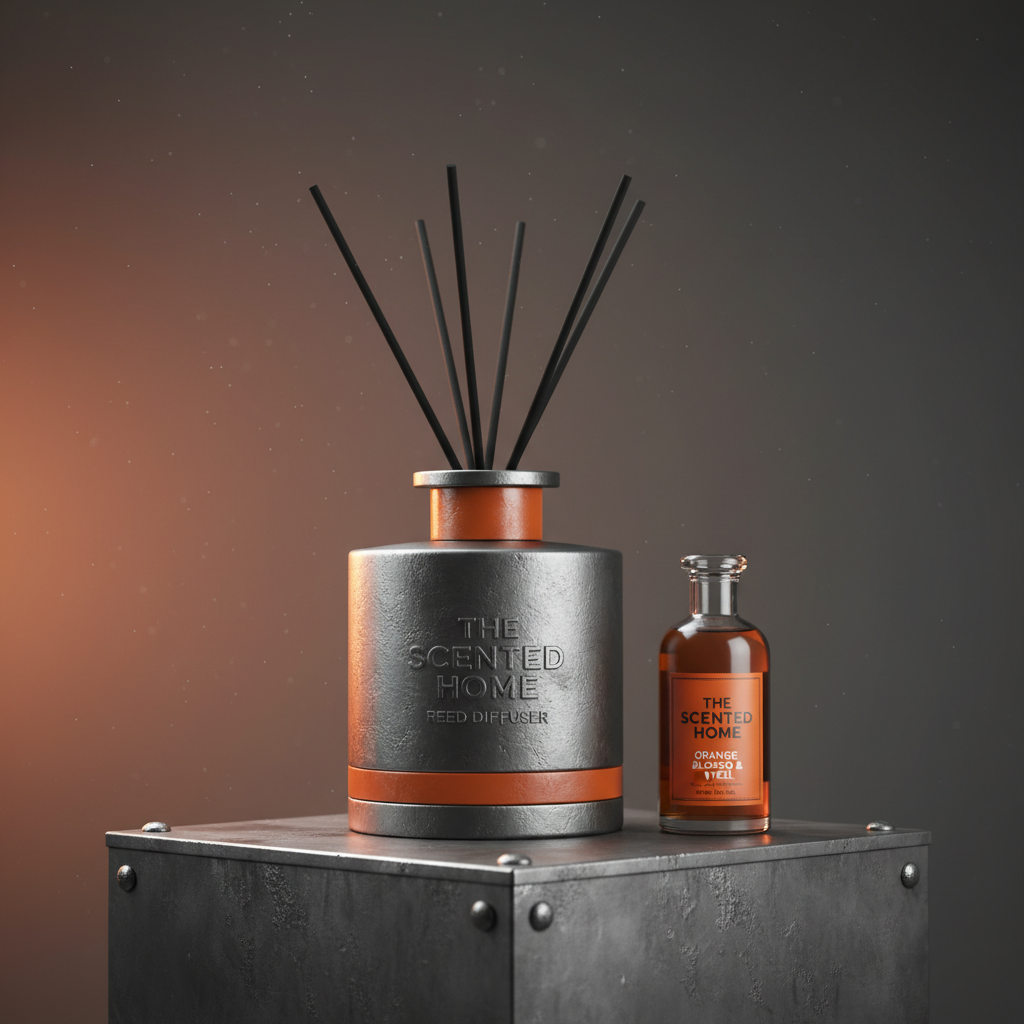
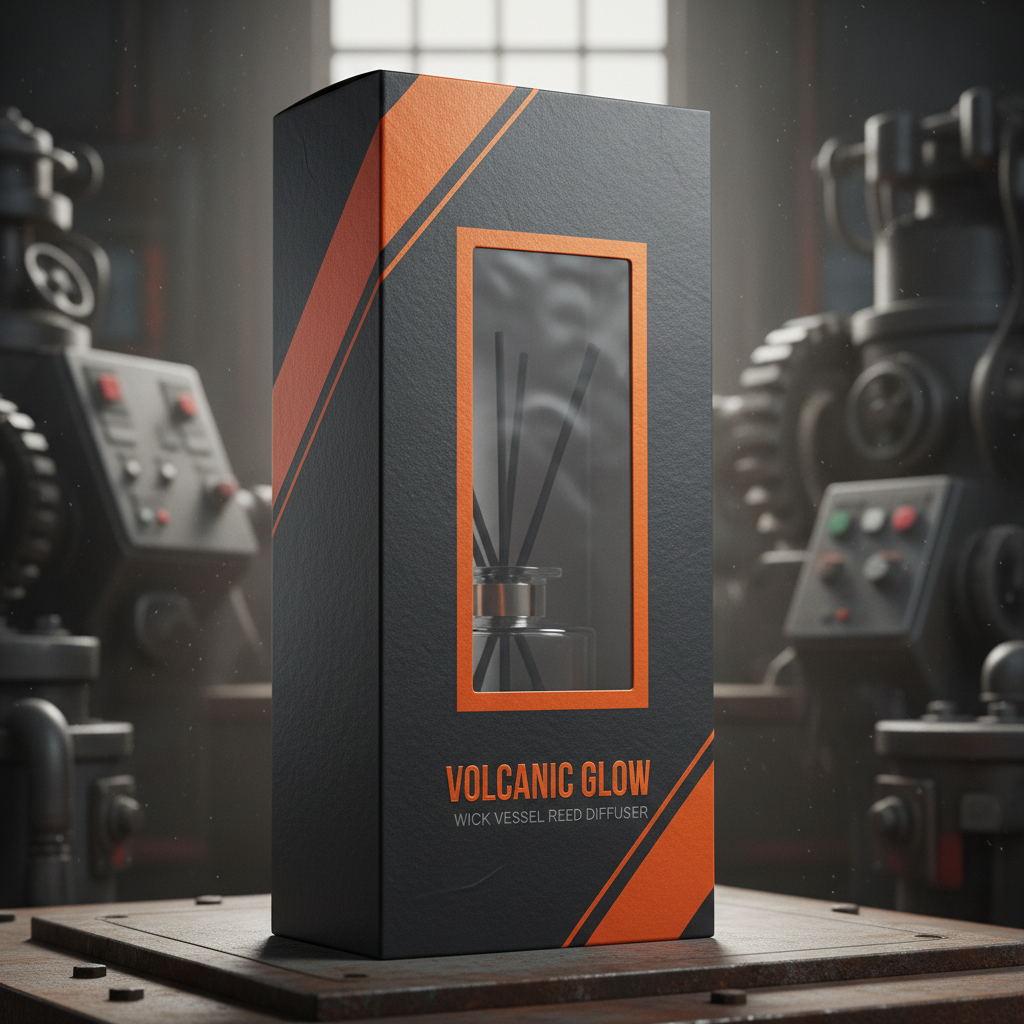
Customization transforms a generic supply into a brand asset. For businesses operating in the luxury home fragrance sector, the ability to specify customized fragrances and logos allows for a distinct market position. This is particularly evident in the production of Reed Diffusers, where the volume—ranging from 50ml to 350ml—and the custom fragrance profile directly influence the perceived value and luxury status of the product.
When sourcing from a manufacturer like Ranliang Candle Industry Co., Ltd., the flexibility to adjust the color and branding of the packaging ensures that the final delivery is ready for immediate retail. This vertical integration reduces the need for secondary processing, thereby lowering the overall lead time and reducing the operational cost associated with third-party branding services.
Professional supplies are deployed across a wide spectrum of environments, each requiring specific product characteristics. In religious settings, such as the use of Church or Jewish Candles, the priority is long-burn stability and minimal scent interference, allowing the candle to serve its ceremonial purpose without overwhelming the space. These products often utilize denser wax blends to maximize duration.
Conversely, in the residential home fragrance market, the focus shifts to aesthetic appeal and sensory experience. Art Candles and Decoration Candles prioritize form and color, requiring supplies that maintain sharp detail and vivid hues even after repeated heating cycles. The integration of LED Candles offers a flameless alternative for high-risk environments, combining the visual warmth of traditional candles with the safety of electronic components.
The industry is currently transitioning toward biodegradable wax bases and phthalate-free fragrances. This shift is driven by a consumer demand for "clean beauty" and non-toxic home environments. Suppliers are increasingly adopting plant-based alternatives to paraffin, such as soy and coconut blends, which not only offer a cleaner burn but also align with global sustainability goals.
Technological advancements in fragrance encapsulation are also emerging, allowing for a slower, more controlled release of scent over the life of the candle. This prevents the common issue of "scent fade," where the candle loses its fragrance potency in the final third of its burn. Such innovations are becoming a key differentiator for high-end wholesale supplies.
Moreover, the integration of smart-home compatibility in LED candle lines is expected to grow. The ability to sync lighting with ambient sound or app-based schedules suggests a move toward "experience-driven" fragrance products, where the visual and olfactory elements are managed as a single, cohesive atmospheric system.
One of the primary challenges in wholesale sourcing is maintaining quality consistency across large batches. Variations in raw material purity can lead to different melting points within a single shipment, causing inconsistent pouring and surface defects. To mitigate this, buyers should insist on detailed batch reports and sample validation before full-scale production.
Logistics present another hurdle, particularly with liquid fragrances and glass components, which are susceptible to temperature fluctuations and breakage. Implementing reinforced packaging and utilizing climate-controlled shipping for essential oils is critical to preventing degradation. A reliable supplier will provide comprehensive packing lists and shock-resistant housing for all glassware.
Finally, managing the Minimum Order Quantity (MOQ) vs. Inventory Cost balance is a constant struggle for growing brands. Strategic partnerships that allow for flexible MOQs, such as 1000 pieces for customized reed diffusers, enable companies to test new fragrances in the market without committing to excessive capital expenditure.
| Metric | Standard Grade | Premium Grade | Industrial Grade |
|---|---|---|---|
| Fragrance Load | 4-6% | 7-10% | Customizable |
| Burn Stability | Moderate | High | Very High |
| Soot Level | Noticeable | Low | Minimal |
| Certifications | Basic | MSDS/ISO | Full Compliance |
| Customization | Limited | Moderate | Full OEM/ODM |
| Lead Time | Fast | Standard | Production-Based |
Professional-grade supplies are defined by their consistency, safety certifications, and chemical stability. Unlike retail supplies, they feature high-purity waxes, wicks calibrated for specific diameters, and fragrances that are MSDS certified for safety. They are designed to be used in large-scale production where uniformity across thousands of units is required to maintain brand quality.
Consistency is achieved by controlling the fragrance loading percentage and the temperature at which the oil is integrated into the wax. Using standardized fragrance oils with a consistent flash point and ensuring a precise mixing ratio (typically 6-10%) prevents variation. We recommend conducting "burn tests" on samples from every new batch to verify the hot throw before the full shipment is dispatched.
The choice depends on the intended use case and brand positioning. Jar Candles are ideal for high-fragrance loads and safety, as the vessel contains the wax pool. Pillar Candles are better for decorative and ceremonial uses where the shape is the primary feature. If your target market is luxury home fragrance, Jar Candles offer more stability; for event decor or religious use, Pillar Candles are the industry standard.
Yes, professional manufacturers offer full OEM/ODM services, including customized logos on vessels and specific color matching for the wax and packaging. For instance, customized logos and colors are standard for Reed Diffusers and Jar Candles when ordering above the minimum order quantity (MOQ). This allows brands to maintain a cohesive visual identity across their entire product range.
Low-quality supplies often lead to "tunneling," where the candle burns down the center, leaving wasted wax on the sides. More seriously, incorrect wick sizing can cause the flame to become too large, overheating the glass vessel and causing it to crack or shatter. Additionally, non-certified fragrances can release harmful VOCs (volatile organic compounds), which can cause respiratory irritation for users.
Evaluate a supplier by requesting their certification history, conducting a factory tour (physical or virtual), and reviewing their quality control (QC) process. A reliable supplier should provide clear lead times, a transparent MOQ structure, and evidence of their ability to handle diverse product categories, such as transitioning between Tealight Candles and complex Art Candles without losing quality.
The success of a fragrance brand depends on the invisible details: the purity of the wax, the precision of the wick, and the stability of the fragrance oil. By shifting the focus from simple cost-reduction to a value-based procurement strategy, businesses can ensure that their products deliver a consistent, safe, and premium experience. Investing in high-quality wholesale supplies is not an overhead cost, but a risk-mitigation strategy that protects the brand's reputation and ensures long-term customer loyalty.
For companies seeking a partner capable of delivering high-precision candle and home fragrance solutions, understanding the technical capabilities of your manufacturer is key. Whether you require specialized liturgical candles or a customized line of reed diffusers, choosing a supplier with a proven track record in industrial glass and fragrance production is essential. We invite you to explore the professional capabilities and product range available at www.litbright-candles.com to elevate your product offerings.


 +8613838384866+8613102808187(Aromatherapy)+8615544503756(Candle)
 sales18@litbright.com(Aromatherapy)sales16@litbright.com(Candle)

RM 702, Bldg,A Lingshi Comm.Bldg., NO.351 Xinhua Road, Shijiazhuang, Hebei, China



 Send Email
 WhatsApp