




 Send Email
 WhatsApp

Selecting the right home scenting system often involves a delicate balance between olfactory appeal and technical efficiency. A pomegranate diffuser serves as more than just a fragrance delivery method; it is a tool for atmospheric engineering that combines the tart, sophisticated notes of pomegranate with modern diffusion technology.
For B2B procurement managers in the hospitality and home decor sectors, the challenge lies in finding a solution that maintains scent consistency without compromising the air quality or the aesthetic of the space. Understanding the interplay between the diffuser's mechanism and the specific chemical profile of pomegranate essence is critical for achieving a high-end sensory experience.
This analysis explores the technical specifications, application strategies, and procurement benchmarks for pomegranate-based scenting solutions, ensuring that buyers can distinguish between superficial fragrance products and professional-grade home fragrance systems.

The Sensory Science of Pomegranate Scent Profiles

Pomegranate scents are categorized by their complex balance of sweetness and acidity. Unlike simple citrus or floral notes, the pomegranate profile requires a sophisticated blend of top notes (tart berries) and heart notes (deep fruit) to avoid a "synthetic" smell, which is a common failure in low-grade diffusers.
In the context of home fragrance, the volatility of the fragrance oil determines how the scent travels through a room. Professional pomegranate diffusers utilize high-purity essential oils or fragrance compounds that are engineered to evaporate at a steady rate, preventing the scent from becoming overpowering in small spaces or disappearing in large halls.
From a design perspective, the visual integration of the diffuser—often involving high-quality glass or ceramic—complements the "luxury" perception of the pomegranate scent, making it a staple for art candles and home fragrance collections.
Technical Mechanisms of Professional Fragrance Diffusion
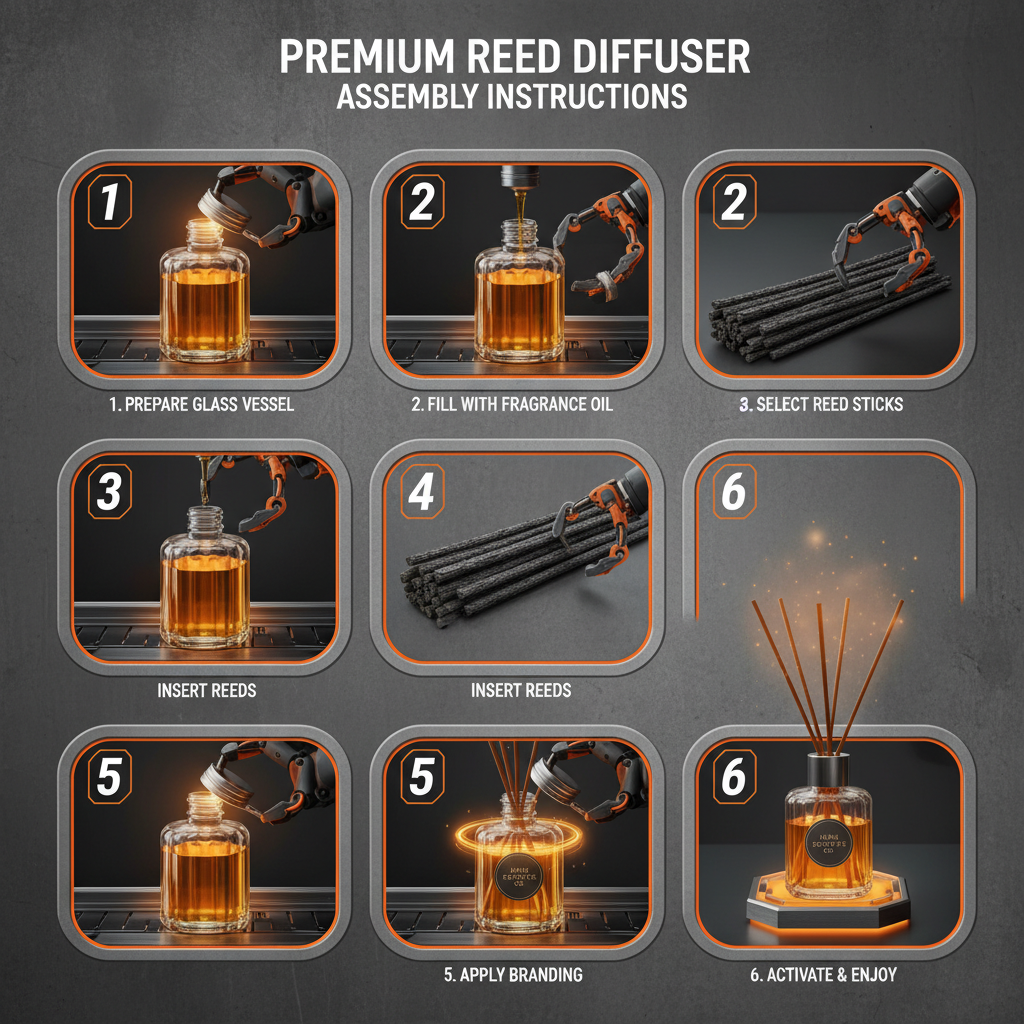
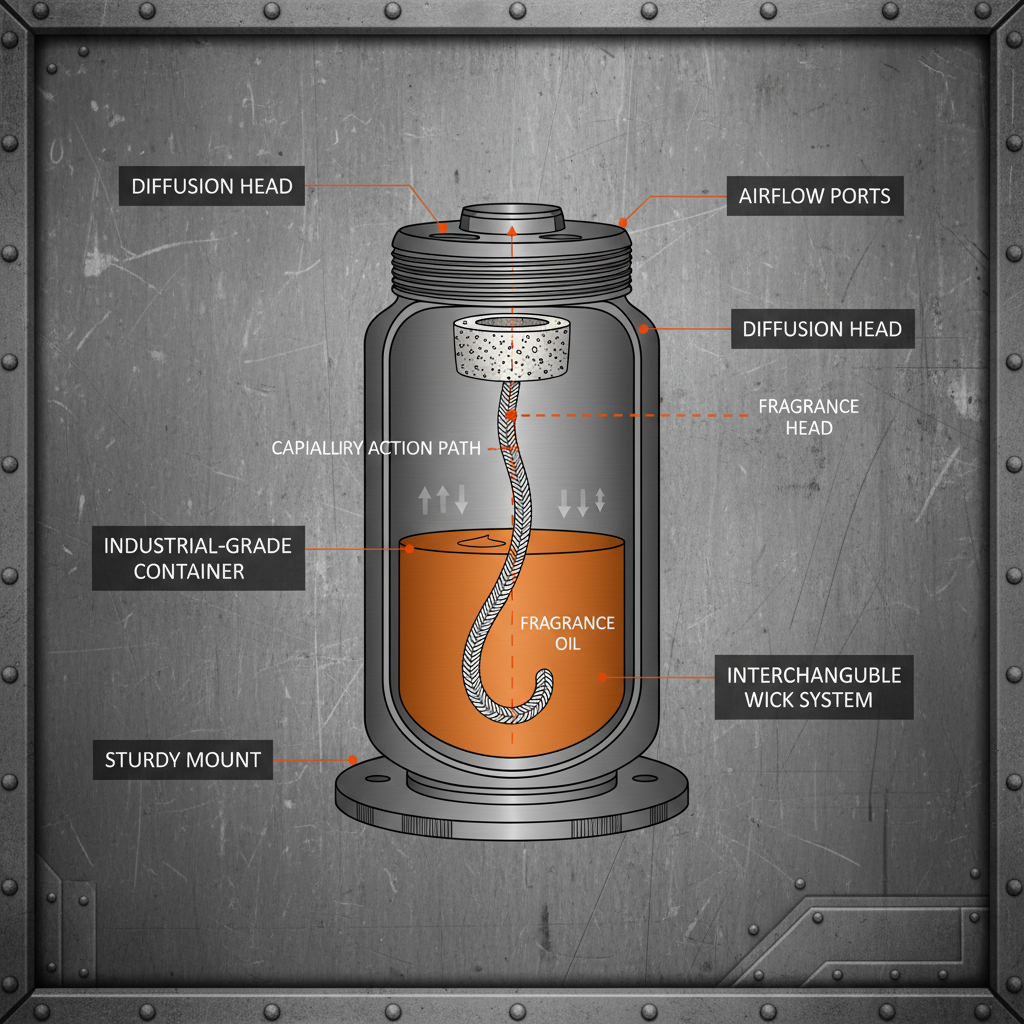
The efficiency of a pomegranate diffuser depends heavily on the delivery method. Whether utilizing ultrasonic vibration, cold-air nebulization, or reed-based capillary action, the goal is to maintain the integrity of the aromatic molecules without altering them through excessive heat.
Cold-air nebulizers are often preferred for high-end commercial settings because they break the oil into a dry mist of micron-sized particles. This prevents the residue buildup often found in heat-based systems and ensures that the pomegranate notes remain crisp and true to the original fragrance profile.
Conversely, for residential use, ultrasonic diffusers provide a humidifying effect, which can enhance the perception of the scent in dry climates, though they require more frequent cleaning to prevent oil oxidation.
Strategic Application Scenarios for Commercial Spaces
Implementing a pomegranate diffuser in commercial environments requires a tailored approach based on the intended psychological impact. In luxury hotel lobbies, the scent is used to evoke a sense of abundance and sophistication, typically deployed via centralized HVAC-integrated systems.
In wellness centers or SPA environments, the pomegranate profile is often blended with softer notes to create a relaxing yet invigorating atmosphere. Here, standalone diffusers are strategically placed in transition zones to guide the user's sensory journey from the noisy exterior to the calm interior.
Retail environments use these scents to increase dwell time. By creating a pleasant, distinct olfactory identity, brands can build a stronger emotional connection with customers, making the pomegranate scent a tool for brand recognition as much as for air freshening.
Comparative Analysis of Diffusion Efficiency Metrics
Evaluating the performance of different diffusion technologies involves analyzing scent throw, longevity, and oil consumption. Standard passive systems often struggle with "scent fatigue," where the user stops noticing the fragrance due to an uneven delivery rate.
When compared to industry benchmarks, professional-grade systems show a significant improvement in saturation stability. This ensures that a room entering a "scent zone" maintains a consistent parts-per-million (PPM) concentration of the pomegranate fragrance.
pomegranate diffuser Performance Metrics
The data suggests that while passive systems are cost-effective, active nebulization provides nearly double the effective coverage area, making it the superior choice for professional home fragrance installations.
Procurement Benchmarks for Home Fragrance Systems
For B2B buyers, the procurement of a pomegranate diffuser should focus on three primary pillars: material safety (MSDS compliance), operational lifespan, and fragrance purity. Selecting a supplier with BSCI or BV certifications ensures a reliable supply chain and ethical manufacturing processes.
Buyers should evaluate the "burn time" or "diffusion cycle" of the device. For example, high-capacity systems should be able to operate for several weeks on a single oil refill, reducing the labor cost associated with maintenance in large facilities.
Additionally, the compatibility of the device with various fragrance oils—ranging from unscented bases to intense pomegranate concentrates—allows for greater flexibility in seasonal scent rotations.
Evolution of Sustainable Scenting Materials
The industry is shifting toward biodegradable materials and non-toxic fragrance bases. Future pomegranate diffusers are likely to integrate bio-plastics or recycled glass to meet the growing demand for eco-friendly home decor.
Innovation is also occurring in the chemistry of the fragrance oils. The move away from paraffin-based carriers toward soy or coconut-based solvents reduces the carbon footprint and improves the purity of the scent, eliminating the "chemical" undertone often found in cheaper alternatives.
Furthermore, the integration of smart technology—such as app-controlled scheduling and intensity sensors—allows for precise control over scent levels, reducing oil waste and extending the life of the equipment.
Decision Framework for Choosing Diffusion Technology
Selecting the ideal pomegranate diffuser requires matching the technology to the specific environment. A small office requires a different approach than a grand hotel lobby or a residential bedroom.
The following framework compares the most common diffusion methods based on operational needs and sensory outcomes to assist in procurement decisions.
| Technology Type | Primary Use Case | Scent Intensity | Maintenance Level |
|---|---|---|---|
| Cold-Air Nebulizer | Large Commercial Lobbies | High / Consistent | Medium (Oil Refill) |
| Ultrasonic Mist | Residential / Wellness SPA | Medium / Humid | High (Water/Oil) |
| Reed Diffuser | Small Bathrooms/Closets | Low / Subtle | Low (Replacement) |
| Heat-Based Lamp | Intimate Living Spaces | Medium / Warm | Medium (Cleaning) |
| HVAC Integrated | Full-Building Scenting | Uniform / Controlled | Professional Only |
| Electric Candle | Dining / Decorative | Low / Zonal | Low (Battery/Plug) |
Based on this comparison, commercial entities seeking brand consistency should prioritize nebulization, while residential suppliers should focus on the aesthetic and humidifying benefits of ultrasonic or decorative candle-based systems.
Frequently Asked Questions
Conclusion
The implementation of a pomegranate diffuser is a strategic decision that blends interior design with sensory psychology. By selecting the appropriate diffusion technology—whether it be a high-output nebulizer for commercial luxury or a decorative art candle for residential warmth—businesses can significantly enhance the perceived value of their environment.
For those evaluating these systems for procurement or home fragrance integration, we recommend focusing on certification and consistency metrics. Detailed product specifications and corporate capabilities can be reviewed through www.litbright-candles.com to ensure the chosen solution aligns with professional industry standards.



 +8613838384866
 sales18@litbright.com(Aromatherapy)
