Dec . 02, 2025 15:00 Back to list
Reed diffuser design might sound like a niche little corner of home fragrance, but if you take a closer look, it actually touches a fascinating intersection of chemistry, aesthetics, and sustainability. Globally, this industry isn’t just about making spaces smell nice — it’s tied to consumer lifestyle shifts and environmental concerns. From fragrance aficionados in Europe to wellness markets in Asia, the way reed diffusers are conceived and crafted reveals a lot about modern design values and user experience. Understanding reed diffuser design means understanding how subtle details — from the type of rattan sticks to the bottle shape and fragrance formulation — affect performance and appeal. And frankly, in our increasingly fragrance-conscious world, that’s pretty important.
Worldwide, home fragrance is a growing sector — the global market for air fresheners and diffusers is expected to surpass $8 billion by 2027 (source: Statista). Reed diffusers hold a significant market share due to their flameless convenience and aesthetic appeal. Especially in regions with stringent indoor air quality regulations or fire safety concerns — like Japan and parts of Europe — these products are gaining traction. Oddly enough, their design can impact not only scent diffusion but also product lifespan and environmental footprint. The challenge is balancing effective fragrance release with environmentally conscious materials and cost-effective manufacturing. That’s where thoughtful reed diffuser design comes in.
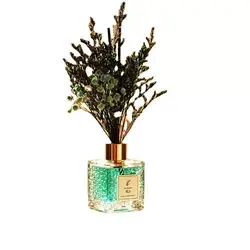
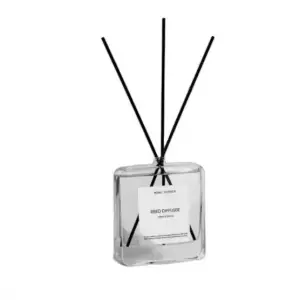
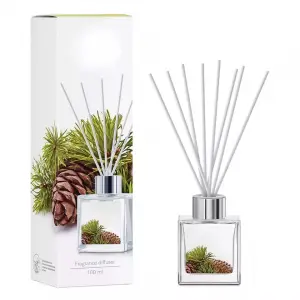
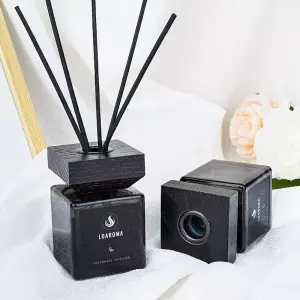
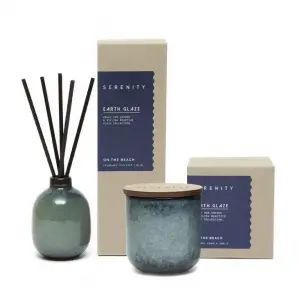
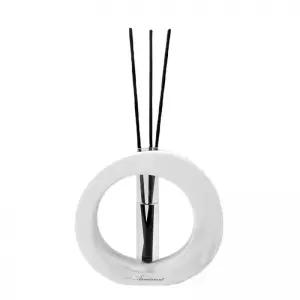
At its core, reed diffuser design involves creating a product that efficiently disperses fragrance oils via absorbent sticks (usually rattan) placed in a container filled with scented liquid. But it’s more than just arranging reeds in a bottle. It’s the synergy between container shape, reed type and number, fragrance concentration, and even cap design. These elements collectively influence how steadily the scent wafts through a room and how long the product lasts. In modern consumer markets, reed diffuser design merges industrial design, material science, and even psychology — since the look and feel of the diffuser can trigger emotional responses, reinforcing brand identity and user satisfaction.
Mini takeaway: Reed diffuser design isn’t one-dimensional — it’s a layered blend of materials, form, and performance considerations.
In Japan, for example, minimalistic reed diffuser designs echo wabi-sabi aesthetics, emphasizing simplicity and natural textures. This preference influences reed selection and container shapes, often favoring slender reeds and matte-finish bottles. Meanwhile, in North America and Europe, there’s a strong trend toward luxury scents in ornate diffusers with multiple reeds to ramp up fragrance intensity for larger living spaces. Post-disaster relief environments sometimes use heavily simplified reed diffusers made from recyclable or reusable materials to improve living conditions safely. Similarly, wellness-oriented spas and retreat centers worldwide leverage specific reed diffuser designs tuned for slow, sustained scent release to create calming environments. Interestingly, these diverse uses emphasize the global adaptability and cultural layering within reed diffuser design.
One standout benefit is the safety factor: no flame means no fire hazard, which is especially important in households with children or pets. Long-lasting scent diffusion without frequent replacement saves cost and waste, aligning with the sustainability trend. Emotionally, a well-designed reed diffuser conveys calm, cleanliness, and style — it’s a subtle mood enhancer. On a logical level, efficient reed diffuser design reduces manufacturing defects, shipping damage, and waste, improving overall brand trust and customer satisfaction. So it’s not just about how things smell, but how they last, look, and feel safe.
| Component | Specification | Notes |
|---|---|---|
| Reeds | 6-10 natural rattan sticks, 20 cm length | Standard size for balanced diffusion |
| Fragrance Oil Volume | 100-150 ml | Depends on container size & scent strength |
| Container | Clear or frosted glass, 5 cm neck diameter | Wide enough for reeds, stable base |
| Fragrance Concentration | 15-25% fragrance oils in base solvent | Balance of scent strength and longevity |
| Shelf Life | 12-24 months unopened | Depends on packaging and storage |
| Vendor | Material Sustainability | Design Variety | Price Range | Global Reach |
|---|---|---|---|---|
| AromaBloom | Uses FSC-certified wood reeds and recycled glass | Classic to modern, 20+ styles | $$$ | Europe, N.America, Asia |
| EcoEssence | 100% biodegradable reeds, refill systems | Minimalist focus, eco themes | $$ | Global |
| LuxScent | Mixed materials, sustainability certified options | Luxury designer collaborations | $$$$ | N.America, Europe |
The industry is evolving, driven by growing eco-consciousness and consumer demand for customization. We see more use of sustainable reeds sourced from renewable plantations, recycled and refillable bottles, and natural fragrance oils devoid of harmful phthalates or synthetics. Another interesting front is “smart” reed diffusers paired with IoT tech — allowing users to control scent intensity or fragrance schedules via smartphone apps. There’s also been experimentation with digital reed diffuser designs incorporating RFID tags that track lifespans or refill needs. Plus, the growing wellness market pushes innovations in aromatherapy blends designed for mood and mindfulness, thoughtfully paired with diffuser designs that visually promote serenity.
First, scent longevity can be unpredictable: ambient temperature, airflow, and reed quality influence evaporation rates. Many engineers suggest testing reeds from varied sources to calibrate the ideal opacity and porosity. Also, packaging that prevents spills yet allows easy reed insertion remains tricky. New cap designs with silicone seals and decorative screw-ons help. On the sustainability front, sourcing renewable materials without compromising aesthetics or durability is an ongoing negotiation; bio-based plastics or glass recycling initiatives are hopeful avenues. Manufacturers increasingly invest in lab testing and prototype iterations to perfect performance, juggling cost, style, and environmental pressures.
In the end, reed diffuser design is this quietly powerful craft bridging science, design, and sustainability. When done right, it elevated everyday environments, supporting wellness with understated elegance and safety. And honestly, in a world full of distractions, that subtle, reliable presence is something we all deserve. Curious to explore latest reed diffuser designs or perhaps get inspired by new scent concepts? Visit our website at https://www.litbright-candles.com for exclusive insights and product collections.
I suppose it’s always a bit surprising how much thought goes into something we often take for granted: the unspoken art of reed diffuser design.
References:
Brighten Your Home Decor with a Beautiful Rainbow Candle
NewsApr.16,2026
Eco Friendly Luxury Home Decor with Refillable Candles Guide
NewsApr.09,2026
Discover the Power of Regenerative Candles for a Sustainable Lifestyle
NewsApr.07,2026
Enhance Your Wellbeing with the Soothing Power of Relaxing Candles
NewsApr.04,2026
Illuminate Your Home Sustainably with Reusable Candle Options
NewsMar.31,2026
Discover the Charm of Ribbed Candles for a Stylish and Inviting Home
NewsMar.28,2026
Products

 +8613838384866+8613102808187(Aromatherapy)+8615544503756(Candle)
 sales18@litbright.com(Aromatherapy)sales16@litbright.com(Candle)
RM 702, Bldg,A Lingshi Comm.Bldg., NO.351 Xinhua Road, Shijiazhuang, Hebei, China



 Send Email
 WhatsApp