Nov . 29, 2025 22:35 Back to list
You might be surprised how something as simple as the reed diffuser price can ripple out to impact everything from small businesses to global markets. At face value, it’s just the cost you pay for a little scented stick-container combo, right? But peel back a layer, and it’s tied to the economics of materials, manufacturing processes, supply chain logistics, and even consumer trends that reflect larger sustainability concerns worldwide. Whether you’re a retailer scouting product lines or a homeowner curious about the best budget-friendly brands, knowing what influences reed diffuser pricing can pay dividends in choice and value.
Globally, the scented home fragrance market is estimated to surpass $4 billion in value, with reed diffusers accounting for a substantial share [1]. According to recent ISO standards impacting volatile organic compounds in consumer goods, manufacturers are adjusting formulas — which can radically shift cost structures and retail price tags. Meanwhile, the price sensitivity of consumers is forcing brands to innovate without compromising quality, a delicate balancing act influenced by everything from raw material sourcing in Southeast Asia to packaging regulations in Europe.
That said, one often overlooked problem is the variability in pricing causing confusion among consumers and sellers alike — not to mention the potential for market saturation with low-quality alternatives. Understanding what goes into the reed diffuser price is therefore critical for making sustainable purchasing decisions.
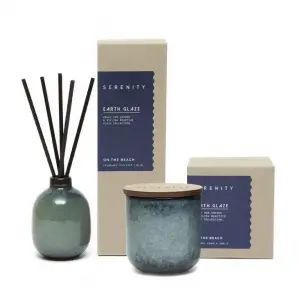
In simple terms, the reed diffuser price refers to the retail or wholesale cost assigned to reed diffuser products, which typically includes the fragrance oil, reeds, container or vessel, and sometimes decorative accessories. This price reflects manufacturing costs, packaging, branding, and distribution expenses. More broadly, it’s a lens onto how consumer goods in the home fragrance niche balance aesthetics, scent performance, and affordability.
The connection to modern industry is pretty clear: scented home products like reed diffusers feed into larger supply chains that must consider sustainability, cost efficiency, and quality. On the humanitarian side, scented products, while seemingly indulgent, can impact wellbeing and mental health, a small but meaningful bridge to quality of life.
High-grade fragrance oils, natural reeds (like rattan), and premium glass or ceramic bottles push prices up — but they also promise better fragrance longevity and aesthetics.
Brands that invest in ethical sourcing, solvent-free oils, or small-batch artisan production typically have higher costs compared to mass production factories.
Unique designs or eco-friendly packaging add value but increase price. Minimalist packaging might save costs but may affect consumer appeal.
Shipping costs fluctuate widely, especially with global reorganization of supply chains due to pandemic disruptions, affecting final prices.
Luxury brands can charge premiums thanks to marketing, exclusivity, or certifications — all part of the consumer psychology behind price sensitivity.
Larger production runs generally reduce unit costs, but smaller brands may price higher to cover scale inefficiencies.
Mini takeaway: Reed diffuser price reflects a mix of artisan craftsmanship, supply chain pressures, and brand strategy — it’s far from a fixed number.
Globally, reed diffusers are popular in both retail and hospitality industries. In North America and Western Europe, premium products command higher prices due to consumer expectations and regulations. In Southeast Asia, mass-market diffusers compete heavily on price but are increasingly incorporating natural ingredients for market edge.
In remote or developing regions, reed diffuser costs are critically impacted by import tariffs and supply constraints, often pushing retail prices well above production costs. For instance, boutique hotels in the Maldives may pay a significant markup yet rely on these diffusers to craft an exclusive guest experience.
Interestingly, some NGOs have started considering affordable scent diffusers in community centers or health clinics to promote calm and mental wellbeing, though cost remains a barrier.
| Specification | Details |
|---|---|
| Fragrance Oil Volume | 100 ml |
| Material (Reeds) | Natural Rattan |
| Vessel Material | Frosted Glass |
| Average Diffusion Duration | 6-8 weeks |
| Typical Retail Price Range | $15 - $30 |
Frankly, a well-priced reed diffuser does not only smell good — it brings so much more to the table. On the rational side, they are low-maintenance, do not require electricity, and last quite a while, making the cost-per-use pretty attractive. Environmental benefits arise when natural reeds and biodegradable oils are involved, contributing less waste compared to candles or plug-ins.
Emotionally, there’s a sense of calm and familiarity that scent delivers, reinforcing safety and comfort indoors. Many users say diffusers can subtly elevate a room’s ambiance, helping concentration or relaxation — an understated but genuine social impact.
| Brand | Average Price (USD) | Material Quality | Sustainability | Distribution |
|---|---|---|---|---|
| AromaLux | $25 | Premium Oils, Natural Rattan | Certified Organic Oils | Global |
| Scentify | $18 | Standard Oils, Synthetic Reeds | Limited | North America, Europe |
| EcoHome | $22 | Natural Ingredients & Reeds | Strong; Recyclable | Worldwide |
I’ve noticed an uptick in interest around “green” reed diffusers: organic fragrance oils, biodegradable reeds, and reusable bottles. These trends usually raise prices initially but can offer lifetime value and appeal to conscious buyers.
Technological improvements like digitally monitored scent release or modular diffusers with replaceable scent cartridges are just emerging, which may add complexity to pricing but offer fascinating new customization options.
Policy-wise, tighter regulations on VOC emissions from scented products are steering brands toward cleaner ingredients, potentially nudging prices upward but hopefully creating long-term sustainability in the market.
The “low-cost” trap is real. Cheaper reed diffusers often suffer from poor scent performance, short diffusion duration, or even potential health hazards from synthetic chemicals. On the flip side, too high a price point alienates budget buyers and cedes ground to knock-offs.
Experts suggest focusing on transparency (ingredient lists), certifications, and robust supply chain relationships to maintain fair pricing that doesn't sacrifice quality. Brands that educate consumers about what goes into their price — and why — tend to win loyalty in the long run.
The story behind the reed diffuser price is rich with supply chain twists, material science, and consumer psychology — more than many give credit for when shopping. Long-term, investing wisely means balancing budget with quality, sustainability, and brand trust. Oddly enough, the scent of a good diffuser lasts far longer than the price tag lingers in your mind.
If you want to explore a curated range of quality reed diffusers with transparent pricing, why not check out reed diffuser price offerings today? A little knowledge can elevate your space—and your purchase satisfaction.
Brighten Your Home Decor with a Beautiful Rainbow Candle
NewsApr.16,2026
Eco Friendly Luxury Home Decor with Refillable Candles Guide
NewsApr.09,2026
Discover the Power of Regenerative Candles for a Sustainable Lifestyle
NewsApr.07,2026
Enhance Your Wellbeing with the Soothing Power of Relaxing Candles
NewsApr.04,2026
Illuminate Your Home Sustainably with Reusable Candle Options
NewsMar.31,2026
Discover the Charm of Ribbed Candles for a Stylish and Inviting Home
NewsMar.28,2026
Products

 +8613838384866+8613102808187(Aromatherapy)+8615544503756(Candle)
 sales18@litbright.com(Aromatherapy)sales16@litbright.com(Candle)
RM 702, Bldg,A Lingshi Comm.Bldg., NO.351 Xinhua Road, Shijiazhuang, Hebei, China



 Send Email
 WhatsApp