Dec . 07, 2025 18:15 Back to list
Stick perfume diffusers are these deceptively simple devices that fill rooms with fragrance without a flame or electricity. But their significance goes beyond just scenting a space. In a world where wellness and sustainable living have taken center stage, understanding how stick perfume diffusers work—and what makes a good one—is pretty fascinating. Globally, consumers are leaning toward more natural, safer ways to enhance their environments, whether at home, in offices, or even commercial spaces. Plus, the slow but steady growth of the home fragrance market (currently valued in the billions worldwide) signals a serious interest in products like this.
The stick perfume diffuser has seen growing popularity over the past decade, thanks to its safety, ease of use, and aesthetic appeal. According to market analysis by the International Fragrance Association (IFRA), the home fragrance segment grew by over 5% annually from 2018 to 2023, with stick diffusers accounting for a large portion of new sales. Given that nearly 60% of consumers now prefer scent products without flames or aerosols due to environmental and health concerns (source: UN Environment Programme), the stick perfume diffuser addresses a crucial modern demand.
Yet, one real challenge remains: how to improve scent diffusion longevity without compromising sustainability or increasing costs. Many manufacturers are innovating in this space, tweaking oils, sticks, and container design.
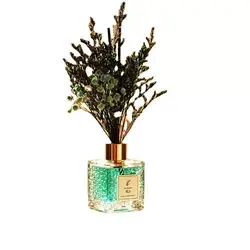
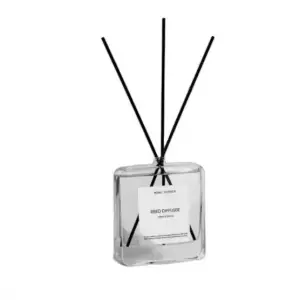
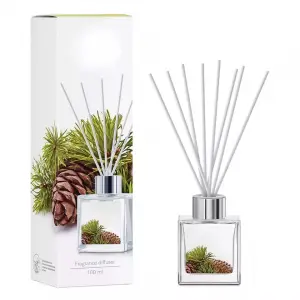
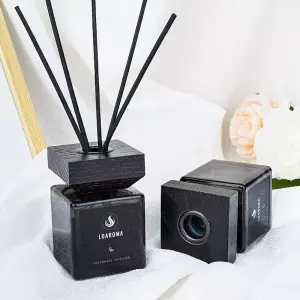
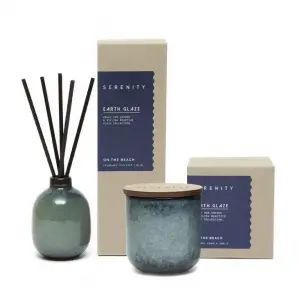
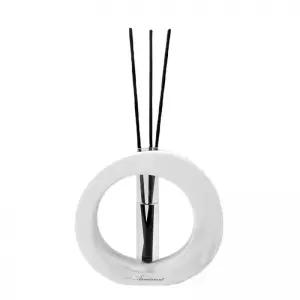
Simply put, a stick perfume diffuser is a container filled with fragrance oil and a bundle of absorbent sticks, often made of rattan or bamboo. The sticks soak up the oil and release scent gradually into the air. No heat, no flame, just passive evaporation. That lack of ignition makes these diffusers safer for homes with kids or pets and workplaces worried about fire hazards. They’ve become a casual yet effective element of modern aromatherapy and interior design.
From an industry perspective, they're part of a broader push towards more eco-conscious, user-friendly scenting solutions. And surprisingly, they also intersect with humanitarian needs—scent is linked to mood and wellbeing, and small comforts like these matter even in clinical or relief settings.
The heart of any diffuser is the fragrance oil. High-quality, sustainably sourced oils ensure longevity, authentic scent notes, and fewer synthetic chemicals. Oddly enough, some of the best oils come from certified organic farms adhering to ISO standards for purity (ISO 9235).
Most diffusers use rattan sticks because their tiny channels work like capillaries, pulling up the oil consistently. However, bamboo or synthetic fiber sticks are gaining popularity for their sustainability or novel diffusive properties.
Containers influence evaporation rates and user experience. Glass bottles with narrow necks slow down evaporation, making scent last longer. Meanwhile, design trends favor sleek minimalism or rustic aesthetics—both affecting how consumers perceive quality.
Many modern diffusers use stick-count adjustments or mixed-material sticks to control scent intensity, giving users more customization based on room size or preference.
Since these diffusers involve volatile organic compounds (VOCs) in oils, manufacturers increasingly focus on low-VOC formulations and recyclable packaging—a nod to consumer demand for greener products.
Mini takeaway: The quality of both the oil and the sticks, alongside smart container design, drives how effective and pleasant a stick perfume diffuser feels in everyday use.
Stick perfume diffusers aren’t just decorative gadgets; they have real applications across geographies and industries. In luxury hotels from Paris to Tokyo, these diffusers enhance guest experiences by reinforcing brand identities through signature scents. In office spaces in cities like New York and London, they subtly boost mood and productivity with aromas like citrus or lavender.
There are also some creative humanitarian angles: In healthcare facilities, diffusers help create calming environments for patients coping with stress or anxiety. Some NGOs have even experimented with deploying them in temporary shelters after disasters, offering a small lift to trauma-stricken communities.
| Feature | Specification | Impact |
|---|---|---|
| Fragrance Oil Volume | 100 ml | 8-12 weeks scent release |
| Stick Material | Natural Rattan | Efficient evaporation & eco-friendly |
| Bottle Material | Recycled Glass | Sustainable & stylish |
| Scent Notes | Citrus & Jasmine | Refreshing, mood-lifting |
| VOCs Content | Low (<10%) | Health & environment safe |
| Brand | Price Range | Sustainability | Scent Variety | Customization |
|---|---|---|---|---|
| AromaLux | $$$ | Uses organic oils & glass | 30+ scents | Limited |
| PureScents | $ | Recyclable packaging, synthetic oils | 15 scents | Yes, mix & match sticks |
| EcoAroma | $$ | 100% biodegradable materials | 20 scents | Custom blends available |
To cut through the marketing noise, the real allure of stick perfume diffusers lies in safety and sustainability. Without an open flame or electric element, they literally burn zero calories of energy or risk (fire). Environmentally aware customers love that most diffusers nowadays are designed to minimize plastic and use renewable materials.
From a social standpoint, they create an atmosphere of calm and comfort—think about the simple joy of walking into a room that smells fresh and inviting. That feeling fosters trust and well-being, whether at home or in professional spaces. Long-term, investing in a quality stick diffuser means lower waste, reduced energy consumption, and health-conscious living.
Manufacturers are experimenting with bio-based solvents and 'smart sticks' embedded with slow-release technology enabled by nanomaterials. Automation isn’t far behind: IoT-enabled diffusers that adjust scent intensity according to room occupancy or time of day are in development.
On the sustainability front, there’s a push towards entirely compostable diffuser kits, incorporating not just biodegradable sticks but also refillable and reusable glass containers. Green energy sourcing during production is also becoming a priority, with several ISO 14001-certified factories leading the way.
Despite advances, some common issues persist. The scent sometimes fades quicker than expected, or oils may spill causing stains. Also, sourcing truly sustainable raw materials can be tricky and costly.
Companies are responding by innovating packaging designs to prevent spillage, using dual-layered sticks to slow evaporation, and partnering directly with growers for transparent supply chains. I suppose it’s a balancing act between price, quality, and eco-credentials.
The stick perfume diffuser stands out as a smart, sustainable way to keep spaces fresh, safe, and inviting. It’s a simple product, yes, but one that aligns perfectly with global consumer shifts toward wellness and eco-awareness. Whether for home, office, or even specialized settings, these diffusers balance design, safety, and scent in a way few others do. For more details and to explore a great selection, visit our website: stick perfume diffuser.
Reflecting on this, it’s interesting how a seemingly simple diffuser can intersect with chemistry, environmental science, and even psychology—something worth noting next time you light up a cozy room.
Brighten Your Home Decor with a Beautiful Rainbow Candle
NewsApr.16,2026
Eco Friendly Luxury Home Decor with Refillable Candles Guide
NewsApr.09,2026
Discover the Power of Regenerative Candles for a Sustainable Lifestyle
NewsApr.07,2026
Enhance Your Wellbeing with the Soothing Power of Relaxing Candles
NewsApr.04,2026
Illuminate Your Home Sustainably with Reusable Candle Options
NewsMar.31,2026
Discover the Charm of Ribbed Candles for a Stylish and Inviting Home
NewsMar.28,2026
Products

 +8613838384866+8613102808187(Aromatherapy)+8615544503756(Candle)
 sales18@litbright.com(Aromatherapy)sales16@litbright.com(Candle)
RM 702, Bldg,A Lingshi Comm.Bldg., NO.351 Xinhua Road, Shijiazhuang, Hebei, China



 Send Email
 WhatsApp