Dec . 02, 2025 11:30 Back to list
Reed sticks—those slim, slender rods you often find in fragrance diffusers—might seem simple at first glance. But the materials they’re made of actually weave into a far larger picture of sustainability, production, and even cultural preferences worldwide. So, reed sticks made of natural or synthetic materials are vital in industries like home fragrance, cosmetics, and even artisanal crafts. Understanding what reed sticks are made from and why it matters globally helps businesses improve product quality and environmental impact.
The aromatics market, growing steadily with a CAGR of around 6.5% according to industry reports, heavily relies on reed sticks to deliver scent in an eco-friendly way. The United Nations Environment Programme (UNEP) emphasizes sustainable sourcing in manufacturing, meaning knowing what reed sticks are made of isn’t just about performance—it’s about sourcing responsibly.
Oddly enough, one challenge that this small component helps solve is reducing plastic waste—because reed sticks made of natural fibers biodegrade far better than synthetic ones. But businesses often face trade-offs between durability, cost, and sustainability, which makes material selection tricky.
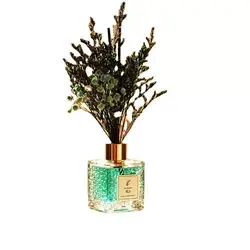
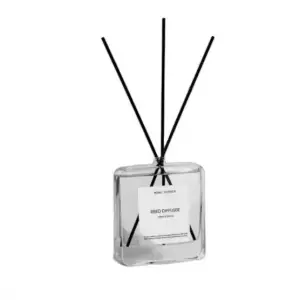
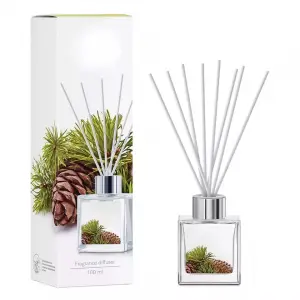
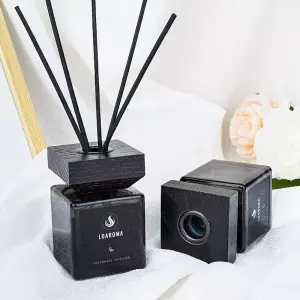
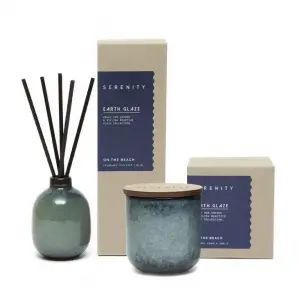
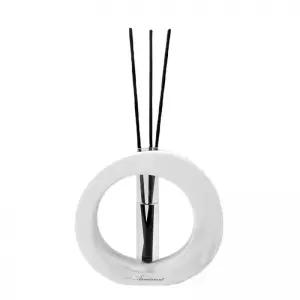
Simply put, reed sticks are thin, porous shafts designed to wick scented oils and diffuse aromas into the air. They’re primarily made of materials with high capillarity to soak up fragrance and release it steadily. Traditional reed sticks are made from natural rattan, bamboo, or wood, while some modern variations incorporate synthetic fibers for longevity.
These materials not only influence durability and scent release but also connect to broader human needs like reducing harmful emissions and promoting biodegradability in everyday products.
Natural rattan reeds tend to last longer because of their structural composition, resisting cracking or warping when soaked in oils. Bamboo tends to be stiffer but can split over time. Synthetic reeds offer superior resistance but often compromise biodegradability.
The porous nature of rattan makes it the preferred reed stick material, as it absorbs and diffuses oils evenly. Wood variants can be less porous, slowing aroma release. This absorption directly affects how strong and long-lasting the scent will be.
Bamboo and wood tend to be cheaper alternatives to rattan but can fall short in performance. Synthetic sticks might cost more upfront but last longer, which influences overall ROI from manufacturers' and consumers' perspectives.
Natural materials like rattan and bamboo are renewable and biodegradable, aligning well with green manufacturing goals. Synthetic reeds, while durable, often raise concerns around plastic waste and ecological footprints.
| Material | Absorption Rate | Durability | Cost | Environmental Impact |
|---|---|---|---|---|
| Natural Rattan | High | High | Medium | Biodegradable, Renewable |
| Bamboo | Medium | Medium | Low | Biodegradable, Renewable |
| Wood | Low | Low to Medium | Low | Biodegradable, but depends on sourcing |
| Synthetic Fibers | Variable | High | High | Non-Biodegradable, Pollution Risk |
In real terms, reed sticks made of natural rattan dominate Southeast Asia, where local harvesting keeps costs competitive and promotes sustainability. Western Europe and North America prefer bamboo or wood variants for their green branding potential. Meanwhile, some luxury brands experiment with synthetic reeds for a sleek, durable finish despite environmental trade-offs.
Industries benefiting include:
An example? In post-disaster regions, eco-friendly reed sticks made of bamboo help local artisans generate income while offering sustainable products to rebuilding communities.
| Vendor | Material Specialty | Sustainability Certification | Geographic Reach | Typical Clients |
|---|---|---|---|---|
| EcoWick Co. | Natural Rattan | FSC Certified | Global | Premium diffusers, boutique brands |
| GreenStalk Ltd. | Bamboo | Rainforest Alliance | Asia, Europe | Mass-market home fragrances |
| SynthWick Inc. | Synthetic Fiber | None | Global | Long-duration diffusers, industrial users |
Choosing reed sticks made of the right material balances both practical and emotional benefits. Sustainability is more than a buzzword—it’s a consumer expectation, especially in premium markets. Natural rattan or bamboo evoke images of tradition, craftsmanship, and reliability, often conjuring feelings of comfort and trust.
Furthermore, brands investing in eco-friendly materials often see gains in loyalty and positive public relations, which translate into long-term value far beyond the initial savings on cost or manufacturing simplicity.
The future looks promising with innovations such as bioplastics derived from natural polymers gaining traction as potential reed stick materials. Green energy-powered production plants and automated sorting systems improve quality while reducing environmental impact.
Digital tools help manufacturers optimize wick size and porosity for each fragrance, making the diffusion process smarter and more efficient. Frankly, I’m excited to see how these technological leaps meet growing customer demand for greener, smarter products.
Of course, challenges remain. Natural reed materials can have inconsistent quality due to weather conditions affecting raw material growth. Synthetic options raise disposal and pollution concerns. Meanwhile, global supply chains are vulnerable to disruptions—hello, pandemic delays.
Innovative solutions include blending materials for optimized performance, investing in local sourcing to reduce carbon footprints, and developing recycling programs. I suppose it’s a balancing act, but one that’s worth the effort.
To wrap up, understanding what reed sticks made of are crafted from isn’t just a small detail—it’s central to environmental responsibility, product quality, and user experience. Whether you run a boutique scent brand or source for mass production, knowing your reed sticks can lead to smarter decisions, better customer trust, and a greener planet.
Curious to dive deeper or try premium reed sticks made of natural materials yourself? Feel free to explore more at https://www.litbright-candles.com for excellent options that blend tradition with innovation.
Mini takeaway: The subtle art of choosing reed sticks made of the right materials carries implications far beyond scent—it’s a powerful nod to sustainability, craftsmanship, and innovation.
References:
1. Wikipedia: Rattan
2. UN Environmental Programme Resources
3. ISO Standards on Sustainable Manufacturing
Brighten Your Home Decor with a Beautiful Rainbow Candle
NewsApr.16,2026
Eco Friendly Luxury Home Decor with Refillable Candles Guide
NewsApr.09,2026
Discover the Power of Regenerative Candles for a Sustainable Lifestyle
NewsApr.07,2026
Enhance Your Wellbeing with the Soothing Power of Relaxing Candles
NewsApr.04,2026
Illuminate Your Home Sustainably with Reusable Candle Options
NewsMar.31,2026
Discover the Charm of Ribbed Candles for a Stylish and Inviting Home
NewsMar.28,2026
Products

 +8613838384866+8613102808187(Aromatherapy)+8615544503756(Candle)
 sales18@litbright.com(Aromatherapy)sales16@litbright.com(Candle)
RM 702, Bldg,A Lingshi Comm.Bldg., NO.351 Xinhua Road, Shijiazhuang, Hebei, China



 Send Email
 WhatsApp