Dec . 02, 2025 15:30 Back to list
At first glance, reed diffusers might just seem like decorative fragrance holders for your living room or bathroom. But if you peel back the layers, they actually represent a subtle and effective way to influence indoor air quality, ambience, and even wellbeing worldwide. The question “what are the best reed diffusers” matters more than one might think, especially as we spend increasing amounts of time indoors and prioritize sustainable, low-maintenance scent solutions.
Globally, the scented home fragrance market has seen remarkable growth: according to Statista, it’s expected to rise beyond $6 billion by 2025. Reed diffusers are a significant slice of that, favored for their low energy use and consistent scent throw without flame or aerosol. Understanding what makes the best reed diffusers isn’t just about personal preference—it touches on environmental impact, health factors, and even cultural tastes around the world.
The global push for clean and safe indoor air, emphasized by organizations like the WHO and ISO, intersects neatly with the rise of reed diffusers. Unlike sprays or candles, they offer a flame-free and often chemical-free alternative to scenting spaces, which aligns with increased regulation on indoor volatile organic compounds (VOCs) and fire safety. Markets in Europe, North America, and parts of Asia show a growing affinity for natural and sustainable home fragrance products.
However, a key challenge remains: consumers and businesses alike struggle to identify high-quality reed diffusers that balance longevity, scent quality, safety, and eco-consciousness—which means the question “what are the best reed diffusers” is both practical and pressing.
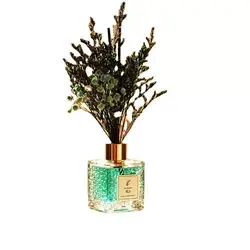
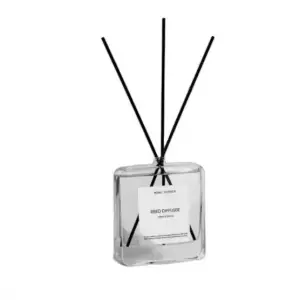
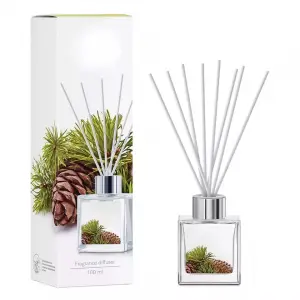
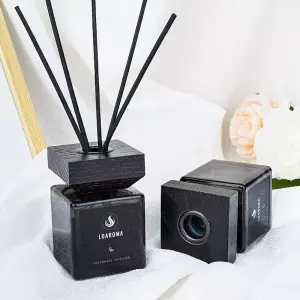
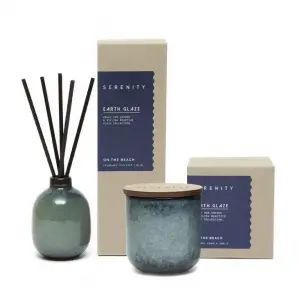
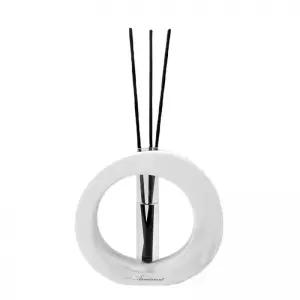
At their core, reed diffusers are scent delivery systems using porous reeds placed in a bottle of fragrant oil. The reeds soak up and slowly release fragrance into the surrounding air, providing continuous scent without heat, electricity, or flames. This makes them increasingly popular in modern interiors, wellness centers, and hospitality sectors.
They reflect a fascinating intersection of traditional craft and modern industrial chemistry—often utilizing natural essential oils, carrier solvents derived from mineral or plant bases, and well-engineered reeds designed for optimal capillary action.
Longevity is often the top consideration—how long can a diffuser maintain fragrance without needing a refill? A good reed diffuser balances the oil's evaporation rate and reed design to sustain scent for several weeks.
Natural essential oils vs synthetic fragrances—this choice impacts not just scent authenticity but perceived healthiness. Many experts suggest diffusers using a higher proportion of natural oils for better air quality and user satisfaction.
Reeds made from rattan with more pores provide better capillary action to pull oil upward. The configuration (number and thickness of reeds) also affects scent throw intensity.
Glass containers with secure closures reduce leaks and preserve oil integrity. Plus, elegant design helps diffusers double as décor elements.
Biodegradable packaging, refill options, and solvent choices all matter to environmentally conscious consumers.
| Feature | Typical High-Quality Reed Diffuser |
|---|---|
| Fragrance Oil Volume | 100–200 ml |
| Average Longevity | 6–10 weeks |
| Reed Material | Natural rattan, porous |
| Fragrance Type | Essential Oil blend & natural synthetics |
| Container Type | Recyclable glass with stopper |
| Sustainability | Refillable, biodegradable packaging |
Interestingly, reed diffusers find footholds in very diverse settings. In hospitality, boutique hotels use them to create signature ambient scents that enhance guest experience. Meanwhile, in office environments, diffusers provide a subtle way to reduce stress and improve productivity without overpowering the senses.
Even retail stores harness their power to shape customer mood and increase dwell time. In regional markets like Japan and Scandinavia, minimalist reed diffusers blend seamlessly with cultural tastes for clean design and gentle fragrance.
Oddly enough, in some tropical climates, reed diffusers also play a practical role in naturally repelling insects when infused with citronella or eucalyptus oils — making them not only pleasant but functional.
| Brand | Oil Composition | Longevity | Price Range | Eco Credentials |
|---|---|---|---|---|
| AromaLux | 80% natural oils | 8 weeks | $30 - $45 | Recyclable packaging |
| PureScents | 100% natural essential oils | 6 weeks | $35 - $50 | Certified organic |
| EcoAroma | Blend of natural & synthetic | 10 weeks | $25 - $40 | Refillable bottle |
First, reed diffusers are inherently safe—no open flames, no sparks, minimal allergy triggers if crafted carefully. This alone makes them reliable for homes with children or pets. They offer gentle, continuous fragrance that doesn’t overwhelm, which is quite important in sensitive workplaces or elder care facilities.
Cost-wise, they are typically less expensive over time compared to candles or electronic scent machines because they require no batteries or electricity. And from a sustainability perspective, refillable kits and natural ingredients contribute positively to environmental goals.
It’s also about emotion. A well-chosen diffuser can elevate a room’s atmosphere—subconsciously invoking calm, freshness, or even nostalgia. That’s not trivial; scent is deeply tied to memory and mood.
Innovation in reed diffusers is subtle but promising. Some companies now infuse their oils with bio-based solvents derived from plants, reducing reliance on petrochemicals. Others are exploring smart diffusers with sensors to adjust scent intensity based on room occupancy or humidity.
Digital transformation, especially voice-activated aroma systems or app-controlled replenishment reminders, might sound futuristic but are gaining traction. Plus, greater transparency and certifications (ISO standards on fragrance safety, biodegradability) will help consumers make informed choices.
One challenge is uneven scent distribution, especially in larger spaces—diffusers work best in confined rooms. To address this, some brands offer specialized reeds or combined diffuser systems. Another issue is the sourcing of raw materials—unsustainable harvesting of natural oils is a concern, but certifications and traceability are improving supply chain accountability.
For those sensitive to synthetic fragrances or allergens, finding a perfect blend can be tricky. Small batch artisanal brands often provide bespoke options to mitigate this problem.
In real terms, understanding what are the best reed diffusers boils down to balancing personal scent preference, safety, sustainability, and longevity needs. The growing global appreciation for natural living and eco-friendly products makes reed diffusers an increasingly smart choice for homes and commercial spaces alike.
If you want to dive deeper into scent solutions and explore top-notch options, visit our website: what are the best reed diffusers.
Mini takeaway: Reed diffusers combine tradition with innovation, offering a safe, sustainable, and elegant way to scent your environment, with growing global demand driving exciting advancements.
References:
1. Wikipedia - Reed diffusers
2. WHO Indoor Air Quality Guidelines, 2021 Report
3. ISO Standards on Fragrance Safety, ISO/TR 20847:2007
Brighten Your Home Decor with a Beautiful Rainbow Candle
NewsApr.16,2026
Eco Friendly Luxury Home Decor with Refillable Candles Guide
NewsApr.09,2026
Discover the Power of Regenerative Candles for a Sustainable Lifestyle
NewsApr.07,2026
Enhance Your Wellbeing with the Soothing Power of Relaxing Candles
NewsApr.04,2026
Illuminate Your Home Sustainably with Reusable Candle Options
NewsMar.31,2026
Discover the Charm of Ribbed Candles for a Stylish and Inviting Home
NewsMar.28,2026
Products

 +8613838384866+8613102808187(Aromatherapy)+8615544503756(Candle)
 sales18@litbright.com(Aromatherapy)sales16@litbright.com(Candle)
RM 702, Bldg,A Lingshi Comm.Bldg., NO.351 Xinhua Road, Shijiazhuang, Hebei, China



 Send Email
 WhatsApp