Dec . 02, 2025 14:00 Back to list
Making reed diffusers is one of those charmingly simple crafts that quietly fills millions of rooms worldwide with subtle aromas and a comforting ambiance. Oddly enough, despite their understated presence, reed diffusers play a significant role beyond aromatic decoration—influencing consumer habits, enriching small businesses, and touching on sustainability in home fragrance. Understanding the nuances of making reed diffusers gives insight into a fascinating blend of chemistry, design, and even global commerce.
The global home fragrance market, valued at over $8 billion as of 2023 according to Statista, includes candles, oils, and reed diffusers. Interestingly, reed diffusers have shown steady growth thanks to their flameless, low-maintenance nature, and eco-friendliness. They’re preferred in households, hotels, spas, and increasingly in commercial environments looking to create a welcoming atmosphere without a flame hazard.
Yet, this industry also grapples with supply chain complexities, regulatory standards on fragrances, and a surging demand for natural, sustainable ingredients—a tough balancing act for manufacturers and artisans alike.
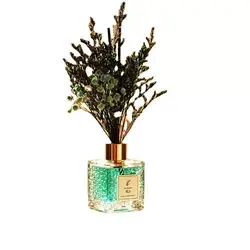
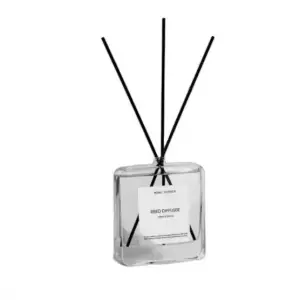
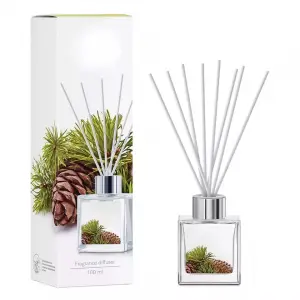
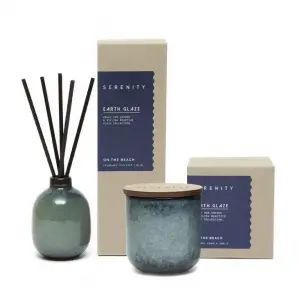
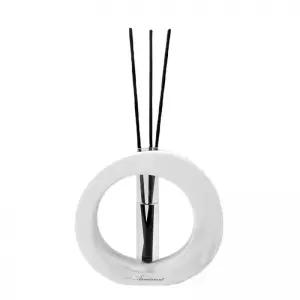
At its core, making reed diffusers combines the formulation of scented oils and the selection of porous reeds that absorb and release fragrance over time. It’s a simple, flameless alternative to candles, relying on passive evaporation. The reeds — usually made of rattan or bamboo — draw scented oil from a bottle and release the aroma continuously.
For those in the fragrance or wellness industry, this process dovetails with growing consumer interest in safer, longer-lasting home fragrance solutions without combustion or the toxins sometimes emitted by candles.
Choosing oils—whether essential or synthetic—is critical. Oils must have the right volatility: too light and the scent dissipates too quickly; too heavy and it won’t travel through the reeds efficiently. Balancing top, middle, and base notes is an art.
Reeds vary in material and design. The most common rattan sticks feature channels to enhance oil absorption and scent release. The length and diameter of reeds directly affect diffusion rate. Some manufacturers experiment with charcoal-infused reeds for longevity and better scent throw.
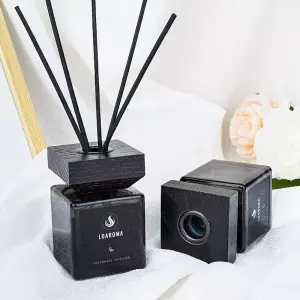
Aesthetics and function marry here. The bottle must be sturdy and sealable to prevent spills but also designed to allow easy reed insertion. Materials range from glass to eco-friendly biodegradable options.
Since these products are often used indoors, regulations like IFRA (International Fragrance Association) standards ensure safety, particularly around allergens. Manufacturers must carefully vet ingredients.
Sustainability has become a prime consideration, from sourcing renewable oils to biodegradable reeds and recyclable packaging.
Reed diffusers find homes worldwide—from urban apartments in New York to boutique hotels in Bali. They’re especially popular in hospitality settings where open flames are prohibited but scent enhances guest experience.
In Asia, where reed diffusers often incorporate traditional aromatic ingredients like jasmine and sandalwood, they tap into cultural olfactory preferences. In Europe and North America, the trend leans toward luxury scents and natural ingredients.
| Specification | Typical Value | Notes |
|---|---|---|
| Fragrance Oil Volume | 50 - 200 ml | Depends on bottle size |
| Reed Length | 20 - 30 cm | Handles diffusion rate |
| Diffusion Time | 2 - 3 months | Varies with temperature/humidity |
| Material | Glass / recyclable plastic | Customer preference & ecology |
The future of making reed diffusers is tied to sustainability and technology. Natural, certified organic oils are increasingly popular, paired with biodegradable reeds or bamboo alternatives. Some brands explore smart room diffusers incorporating sensors that adjust scent release automatically. Digital scent marketing is also emerging — think scent branding in retail spaces, powered by reed diffuser tech.
One persistent challenge is controlling the scent diffusion rate consistently across varying climates and humidity levels. This unpredictability can frustrate customers who expect steady aroma intensity.
Experts advise mixing oils with optimized volatility, using new reed designs with microchannels for more controlled wicking, or adding supplemental scent “boosters.” Packaging improvements to reduce evaporation when not in use also help.
| Vendor | Oil Quality | Reed Innovation | Eco-Friendly Options | Price Range |
|---|---|---|---|---|
| AromaLux | Premium natural oils | Charcoal-infused reeds | Recyclable glass bottles | $$$ |
| Scentiva | Blend of synthetic & natural | Standard rattan reeds | Plastic bottle with recycling program | $$ |
| PureAura | 100% organic essential oils | Bamboo reeds | Compostable packaging | $$$$ |
Whether you’re a budding entrepreneur, a hobbyist, or simply someone who enjoys a beautifully scented home, making reed diffusers blends creativity and chemistry to offer a low-maintenance, elegant scent solution. The global rise of demand, paired with innovation in eco-conscious materials and smart scent delivery, signals a fragrant future rich with possibilities.
Curious to dive deeper into scents and crafts? Visit our website and explore resources on making reed diffusers and more.
Mini takeaway: Reed diffusers are simple wonders — small, safe, sustainable scent spreaders that are quietly reshaping home fragrance worldwide.
Brighten Your Home Decor with a Beautiful Rainbow Candle
NewsApr.16,2026
Eco Friendly Luxury Home Decor with Refillable Candles Guide
NewsApr.09,2026
Discover the Power of Regenerative Candles for a Sustainable Lifestyle
NewsApr.07,2026
Enhance Your Wellbeing with the Soothing Power of Relaxing Candles
NewsApr.04,2026
Illuminate Your Home Sustainably with Reusable Candle Options
NewsMar.31,2026
Discover the Charm of Ribbed Candles for a Stylish and Inviting Home
NewsMar.28,2026
Products

 +8613838384866+8613102808187(Aromatherapy)+8615544503756(Candle)
 sales18@litbright.com(Aromatherapy)sales16@litbright.com(Candle)
RM 702, Bldg,A Lingshi Comm.Bldg., NO.351 Xinhua Road, Shijiazhuang, Hebei, China



 Send Email
 WhatsApp