Dec . 02, 2025 13:20 Back to list
Have you ever stopped to think about how much the simple act of aroma diffusion impacts our everyday environment? Making your own diffuser isn’t just a quirky DIY project—it’s a meaningful way to create personalized ambiance, improve air quality, and even enhance wellbeing, all while tapping into a global trend toward sustainability and self-sufficiency.
The popularity of diffusers, especially in the aromatherapy and wellness markets, has surged worldwide. According to a recent market report by Grand View Research, the global essential oil diffusers market is expected to grow at a CAGR of over 8% through 2027. This isn’t just about pretty smells; it’s about enhancing air quality, reducing stress, and supporting mental health—critical factors in today’s urbanized world.
Yet, commercially available diffusers tend to be costly, sometimes environmentally unfriendly, and less customizable. That’s where making your own diffuser steps in. It offers an accessible, low-waste method to tailor scent diffusion suited exactly to your needs. Plus, it tackles one significant challenge: how to balance effective fragrance release with natural materials and energy efficiency.
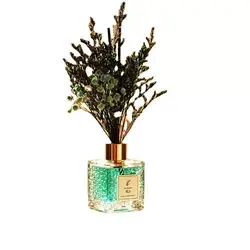
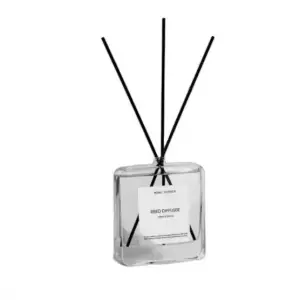
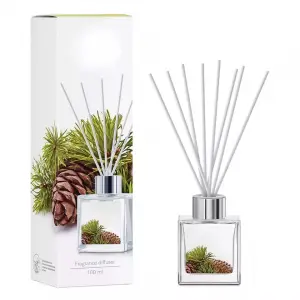
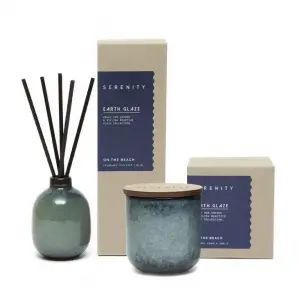
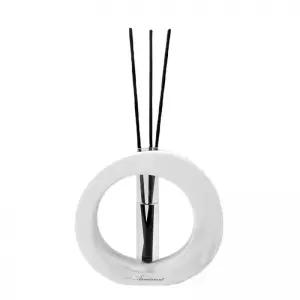
Simply put, making your own diffuser involves assembling a device or setup that disperses essential oils or fragrances into the air at a controlled rate, using approaches you can build or modify rather than buying off-the-shelf products. This can range from reed diffusers with wooden sticks to more technical ultrasonic or heat-based models.
It’s closely connected to modern industry trends favoring DIY, decentralization, and sustainability. More than just a hobby, homemade diffusers emphasize innovation combined with humane design—responding to individual sensory preferences, climate considerations, and reducing plastic waste.
Each method impacts fragrance longevity, intensity, and power consumption differently.
Materials range from glass, bamboo, and ceramic containers to biodegradable reeds or natural fabrics. Many DIY enthusiasts and small producers emphasize using recycled or sustainable components to reduce environmental footprint.
Picking the right essential oils (like lavender, eucalyptus, or citrus blends) is crucial for both therapeutic effect and aroma profile. Some oils evaporate quickly; others last longer or mix better.
The beauty of homemade diffusers lies in adapting shapes, colors, and diffusion rates to personal space needs—whether a cozy bedroom or large office.
Ensuring non-toxicity, flame resistance (when heating elements are used), and stability to prevent spills or breakage is key, especially for families or pets.
| Feature | Specification |
|---|---|
| Container Material | Frosted Glass (150 ml) |
| Reed Size | 15 cm natural rattan sticks (8 pieces) |
| Essential Oil Blend | Lavender & Eucalyptus mix (20 ml) |
| Scent Duration | 4-6 weeks |
| Assembly Time | 10 minutes |
| Feature | EcoDiffuser Co. | HomeScents | GreenBreeze |
|---|---|---|---|
| Price | $24.99 | $19.99 | $27.50 |
| Scent Options | 5 blends, organic oils | 3 blends, synthetic options | 6 blends, essential oil only |
| Sustainability | Recycled packaging, biodegradable reeds | Non-recyclable plastic components | Glass containers, bamboo reeds |
| Assembly Difficulty | Easy, beginner friendly | Moderate | Easy |
Across the globe, from urban apartments in Tokyo to remote cabins in Scandinavia, people are embracing the idea of making their own diffuser. In hospitality, many boutique hotels and spas experiment with custom-made diffusers tailored to local preferences or therapeutic aims. Even in humanitarian contexts, non-toxic, energy-free reed diffusers have appeared in wellness kits distributed to displaced populations, offering a small comfort amid upheaval.
Industries focused on wellness and lifestyle design see this DIY approach as a way to innovate without complex supply chains. Plus, it aligns nicely with circular economy principles if you reuse parts or refill oils in bulk.
Looking ahead, the intersection of smart home tech and diffuser making feels promising. Imagine digitally controlled homemade ultrasonic diffusers syncing to your daily rhythm or IoT-based aroma dispersal responding to air quality sensors. Also, innovations in biodegradable materials and locally sourced natural reeds might redefine the sustainability baseline.
Admittedly, making your own diffuser isn’t without hiccups. Oils can separate or evaporate unevenly. Some techniques require patience to master. And safety—especially with heat or electric diffusers—must never be overlooked. Still, online communities and easy-to-follow tutorials provide expert tips like stabilizing blends with carrier oils or experimenting with hybrid diffusion methods.
Making your own diffuser is far more than a creative exercise; it’s a meaningful nod to sustainability, cost savings, and wellness. Oddly enough, the tiny act of scent dispersion can be a big statement about how we care for ourselves and our planet. If you’re curious and want to start, dive into the resources at making your own diffuser and transform your space with aroma your way.
Takeaway: Crafting your own diffuser blends creativity and ecology, inviting a mindful breath into daily life.
Brighten Your Home Decor with a Beautiful Rainbow Candle
NewsApr.16,2026
Eco Friendly Luxury Home Decor with Refillable Candles Guide
NewsApr.09,2026
Discover the Power of Regenerative Candles for a Sustainable Lifestyle
NewsApr.07,2026
Enhance Your Wellbeing with the Soothing Power of Relaxing Candles
NewsApr.04,2026
Illuminate Your Home Sustainably with Reusable Candle Options
NewsMar.31,2026
Discover the Charm of Ribbed Candles for a Stylish and Inviting Home
NewsMar.28,2026
Products

 +8613838384866+8613102808187(Aromatherapy)+8615544503756(Candle)
 sales18@litbright.com(Aromatherapy)sales16@litbright.com(Candle)
RM 702, Bldg,A Lingshi Comm.Bldg., NO.351 Xinhua Road, Shijiazhuang, Hebei, China



 Send Email
 WhatsApp