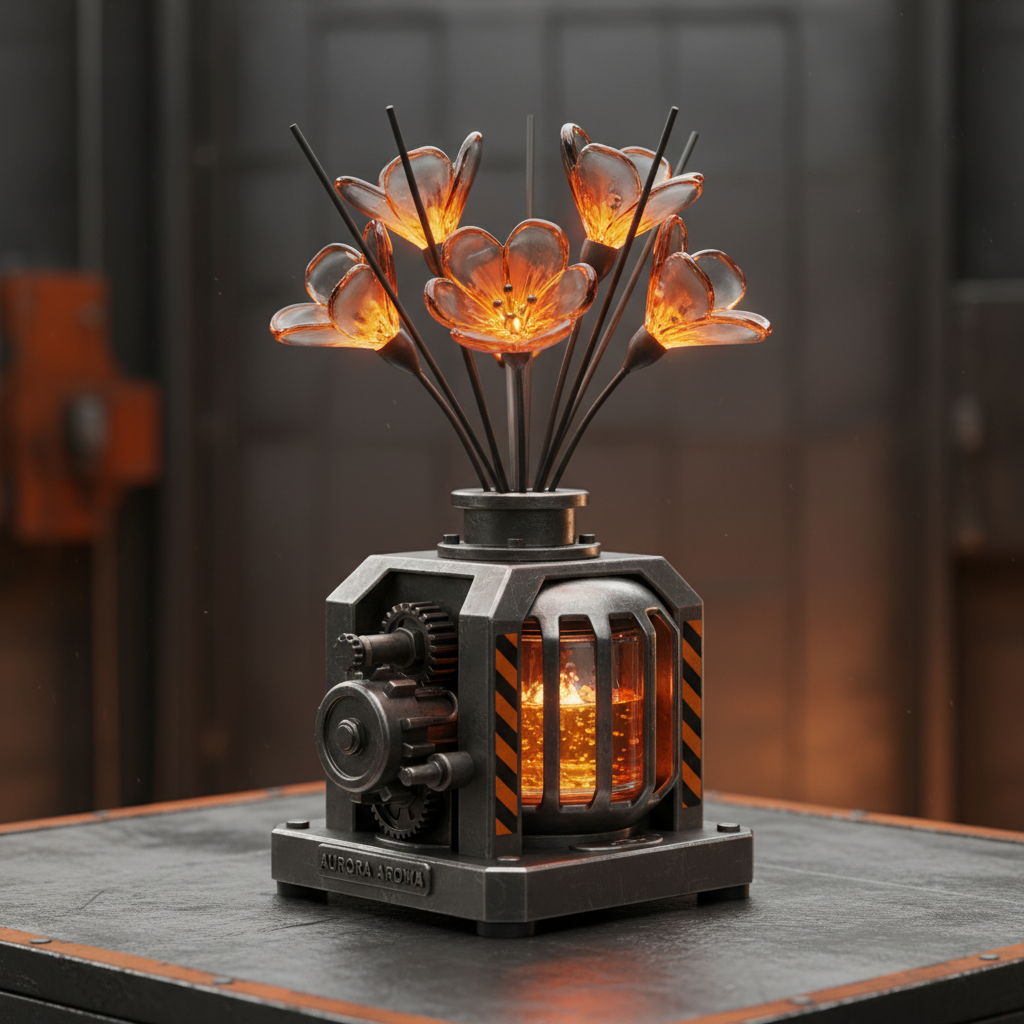
In the realm of interior scenting, the modern reed diffuser has emerged as a cornerstone of contemporary home wellness. Unlike traditional scenting methods that require an open flame or electrical power, these elegant vessels utilize porous reeds to naturally draw fragrant oils into the air, creating a consistent and effortless olfactory experience. As global consumers shift toward "slow living" and mindful home curation, the demand for sustainable, flameless fragrance solutions has skyrocketed.
The global home fragrance market has seen a significant pivot toward passive diffusion, driven by an increasing awareness of indoor air quality and fire safety. Industry data suggests a growing preference for non-toxic, phthalate-free oils paired with high-quality glass craftsmanship, reflecting a broader trend where functional home items must also serve as aesthetic sculptures. The challenge for many homeowners has been finding a balance between a scent that is potent enough to fill a room but subtle enough not to overwhelm the senses.
Understanding the mechanics of a modern reed diffuser allows users to optimize their environment for productivity, relaxation, or hospitality. By selecting the right combination of solvent bases and reed materials, one can transform a living space into a sanctuary. This guide explores the technical nuances, design evolution, and practical applications of these fragrance systems in the modern era.
The Evolution of Modern Reed Diffuser Design
The transition of the modern reed diffuser from a niche apothecary item to a mainstream interior design staple is rooted in the convergence of chemistry and art. Early iterations relied on simple rattan sticks and alcohol-heavy bases, which often evaporated too quickly or clogged easily. Today, the industry has moved toward sophisticated synthetic fibers and meticulously balanced fragrance oils that provide a linear scent release, ensuring the top, middle, and base notes are delivered consistently over several months.
Beyond the liquid, the vessel itself has become a statement piece. From minimalist borosilicate glass to heavy-bottomed crystalline jars, the design reflects the "quiet luxury" movement. By integrating these diffusers into the overall architectural flow of a room, designers are now treating scent as an "invisible layer" of decoration, as vital as the lighting or the furniture.
Core Components of Effective Scent Diffusion
At the heart of every modern reed diffuser are three critical components: the fragrance oil, the solvent (carrier), and the reeds. The fragrance oil provides the olfactory identity, while the solvent—often a mixture of specialized alcohols or glycol ethers—regulates the rate of evaporation. A well-formulated solvent prevents the oil from becoming too viscous, which would otherwise hinder the capillary action required to move the scent upward.
The reeds serve as the delivery mechanism. While natural rattan is traditional, high-performance synthetic reeds are now favored for their precision-engineered pores. These synthetic alternatives prevent "clogging," a common issue where dust or heavy oil molecules block the channels, leading to a decrease in scent throw. The choice of reed directly impacts the "throw" of the fragrance, determining whether the scent remains localized or permeates an entire open-concept living area.
Furthermore, the interaction between the vessel's neck width and the number of reeds allows for customizable intensity. By increasing the number of reeds, the surface area for evaporation increases, thereby enhancing the scent concentration. This scalability makes the modern reed diffuser versatile enough for both a small powder room and a spacious hotel lobby.
Material Science in Fragrance Vessels
The selection of materials for a modern reed diffuser is not merely an aesthetic choice but a functional necessity. Non-reactive glass is paramount, as certain fragrance oils contain potent terpenes and esters that can degrade plastic containers over time, leading to leaching and a distorted scent profile.
In the manufacturing of a high-end modern reed diffuser, the thickness of the glass wall is engineered to provide thermal stability. This prevents rapid temperature fluctuations from affecting the evaporation rate of the volatile organic compounds (VOCs), ensuring that the fragrance remains stable regardless of the room's climate.
Modern iterations also explore the use of ceramic and frosted glass finishes. These materials not only diffuse light beautifully but also provide an additional layer of protection against UV rays, which can break down the molecular structure of the fragrance oils and cause the liquid to discolor.
Performance Metrics Across Different Environments
The efficacy of a modern reed diffuser varies significantly based on airflow, humidity, and room volume. In high-traffic areas like hallways, the natural movement of air assists in carrying the scent molecules further, whereas in stagnant rooms, the diffusion relies entirely on the capillary action of the reeds.
To quantify this, we evaluate different diffusion methods based on their scent throw and longevity. While electric diffusers offer immediate intensity, the passive nature of the reed system provides a more stable and stress-free background aroma that doesn't fluctuate with power cycles.
Comparative Efficiency of Scenting Methods
Global Application and Luxury Hospitality
In the luxury hospitality sector, the modern reed diffuser is employed as a tool for "scent branding." Five-star hotels in cities like Dubai, Paris, and Tokyo utilize custom-blended diffusers in their lobbies to create an immediate emotional connection with guests. Because these systems require no electricity and are flameless, they are the safest choice for high-traffic commercial zones where fire codes are stringent.
Beyond hotels, these diffusers are increasingly used in high-end retail environments and corporate wellness spaces. By deploying a modern reed diffuser with calming notes of sandalwood or eucalyptus, businesses can subtly reduce customer anxiety and enhance the overall perception of the brand's prestige and attention to detail.
Sustainability and Eco-Friendly Innovations
The shift toward sustainability has pushed the modern reed diffuser to evolve. Many manufacturers are replacing traditional petroleum-based solvents with bio-based alternatives derived from corn or sugar cane. These green solvents not only reduce the carbon footprint but also offer a cleaner evaporation profile, reducing the presence of harsh chemical odors.
Packaging is another area of innovation. The move toward refillable glass vessels encourages a circular economy, where consumers keep the original high-quality jar and only purchase scent refills. This significantly reduces the amount of glass waste entering landfills and aligns the product with the values of the environmentally conscious modern consumer.
Furthermore, the integration of biodegradable reeds made from compressed bamboo or recycled fibers ensures that the entire lifecycle of the modern reed diffuser is as eco-friendly as possible. This holistic approach to design ensures that luxury does not come at the expense of the planet.
Optimizing the Lifespan of Your Fragrance
Maximizing the utility of a modern reed diffuser requires a basic understanding of fragrance physics. One of the most effective ways to "refresh" a diffuser is to flip the reeds every one to two weeks. This brings the saturated end of the reed to the top, providing an immediate boost in scent throw and preventing the oils from stagnating.
Placement is equally critical. Placing a diffuser near a draft—such as an open window or an air conditioning vent—will accelerate evaporation, leading to a stronger scent but a shorter lifespan. Conversely, placing it in a recessed corner may limit the scent's reach. The ideal location is a spot with moderate airflow that allows the fragrance to drift naturally across the room.
Lastly, avoiding direct sunlight is essential. UV rays act as a catalyst for chemical breakdown, which can alter the scent profile and cause the liquid to turn yellow. By following these simple optimization steps, users can ensure their modern reed diffuser remains potent and pleasant for its entire intended duration.
Operational Efficiency and Maintenance of Modern Reed Diffusers
|
Maintenance Action
|
Frequency
|
Impact on Scent
|
Difficulty Level
|
| Reed Flipping |
Every 7-14 Days |
Immediate Intensity Boost |
Very Low |
| Reed Replacement |
Every 3-6 Months |
Prevents Scent Clogging |
Low |
| Vessel Dusting |
Weekly |
Maintains Visual Appeal |
Very Low |
| Scent Refill |
As needed (3-4 months) |
Restores Full Volume |
Low |
| Position Adjustment |
Once per season |
Optimizes Airflow Distribution |
Medium |
| Bottle Sterilization |
Before each new scent |
Prevents Scent Contamination |
Medium |
FAQS
This is typically caused by "clogging," where dust particles or heavy fragrance oils block the pores of the reeds. To resolve this, try flipping the reeds upside down to refresh the scent throw. If the scent remains weak, it is likely time to replace the reeds entirely, as they have reached their maximum saturation point and can no longer efficiently draw oil from the vessel.
The number of reeds directly controls the intensity of the fragrance. For large, open-concept areas, we recommend using 6 to 10 reeds. However, start with a smaller number and increase them gradually. Remember that more reeds will lead to a stronger scent but will also cause the fragrance oil to evaporate more quickly, shortening the overall lifespan of the diffuser.
Yes, because a modern reed diffuser is a flameless solution, it eliminates the risk of accidental fires or burns caused by tipped candles. However, it is important to place the vessel on a stable surface where pets or children cannot knock it over, as the concentrated oils can be irritating to skin or surfaces if spilled.
While it is technically possible, we generally advise against it. Different oils have different chemical compositions and evaporation rates. Mixing them can lead to unpredictable scent profiles or, in some cases, cause the oil to separate or clog the reeds more quickly. For the best results, use a professionally blended fragrance designed for reed diffusion.
On average, a 100ml modern reed diffuser will last between 3 to 6 months. This timeline varies based on the number of reeds used, the room's temperature, and the level of airflow. High-traffic areas with strong drafts will see faster evaporation, while cooler, stagnant rooms will preserve the oil longer.
Rattan reeds are natural and have "channels" that transport oil; they offer a more subtle, traditional scent release but are prone to clogging. Fiber reeds are engineered from synthetic materials to have consistent porosity. They typically offer a stronger, more immediate scent throw and are more resistant to clogging, making them the preferred choice for modern, high-performance diffusers.
Conclusion
The modern reed diffuser represents the perfect intersection of luxury, safety, and scientific precision. By moving away from combustion-based scenting and embracing passive diffusion, we can create home environments that are not only fragrant but also healthier and more sustainable. From the careful selection of borosilicate glass to the engineering of synthetic fiber reeds, every detail contributes to a seamless sensory experience that enhances the psychological well-being of the inhabitants.
As we look toward the future, the integration of bio-based solvents and circular refill systems will further solidify the role of these diffusers in the eco-conscious home. Whether you are looking to establish a professional scent brand for a business or simply want to elevate your personal sanctuary, investing in high-quality diffusion technology is a timeless choice. Explore our full range of home fragrance solutions and elevate your space today. Visit our website: www.litbright-candles.com




 +8613838384866
 sales18@litbright.com(Aromatherapy)




 Send Email
 WhatsApp