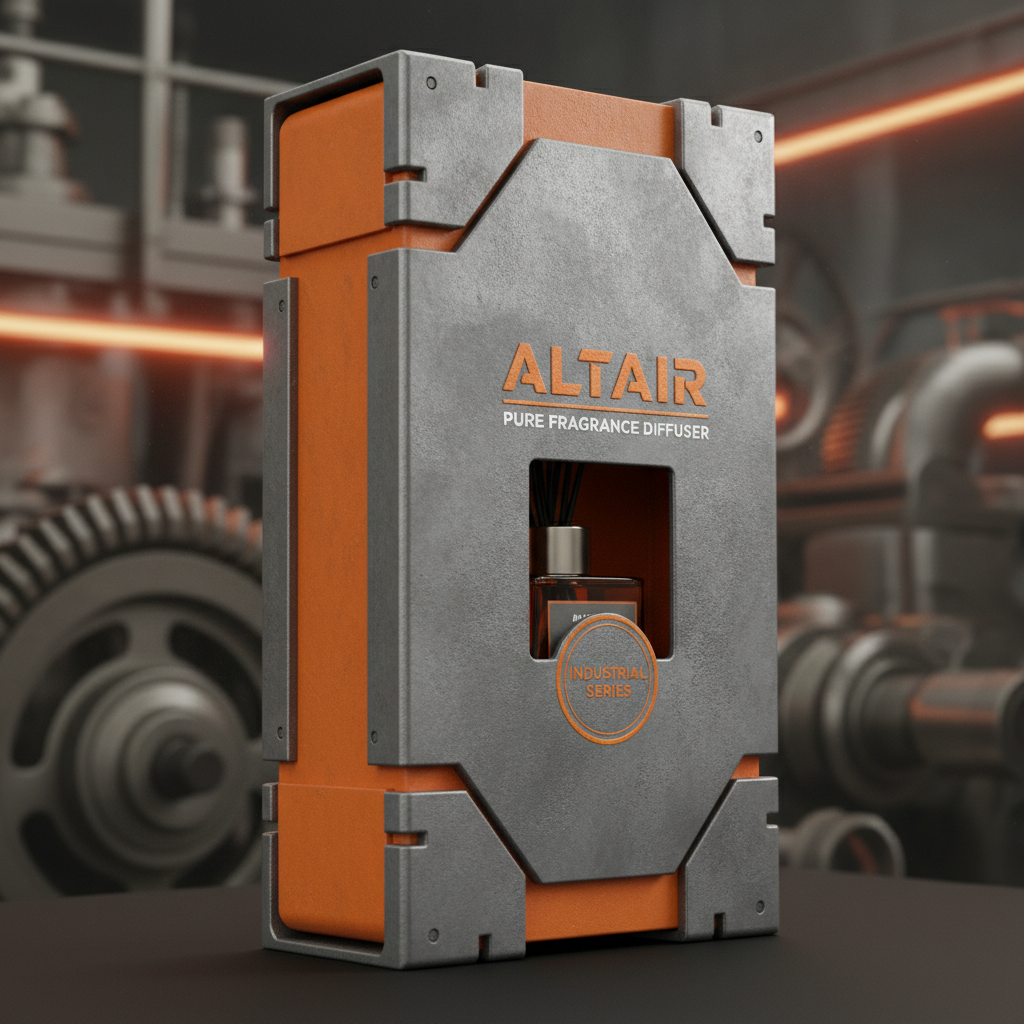
In the evolving landscape of home fragrance, the emergence of liquidless reed diffuser sticks represents a significant shift toward safety and convenience. Traditionally, scenting a room relied on volatile organic compounds dissolved in flammable solvents, but modern material science has paved the way for dry-diffusion technology. This innovation allows users to enjoy consistent olfactory experiences without the risks associated with liquid spills or evaporation rates.
Globally, the demand for sustainable and "low-maintenance" luxury is skyrocketing, pushing manufacturers to rethink how fragrance is delivered. By utilizing advanced polymers and porous ceramic materials, these specialized sticks can hold scent molecules internally, releasing them slowly into the air. This transition not only appeals to the minimalist aesthetic of modern interior design but also aligns with a broader movement toward reducing household chemical hazards.
Understanding the mechanism behind liquidless reed diffuser sticks is essential for both wholesalers and end-consumers who prioritize longevity and stability. Unlike their liquid counterparts, these tools eliminate the need for constant refilling and the anxiety of accidental leaks on expensive furniture. As we explore the technical and commercial dimensions of this product, it becomes clear that the "dry" approach is the future of ambient scenting.
Global Relevance of Liquidless Reed Diffuser Sticks
The global home fragrance market has seen a pivot toward safety-first solutions, particularly in regions with strict VOC (Volatile Organic Compound) regulations. According to industry trends aligning with ISO standards for air quality, there is a growing necessity to replace traditional liquid bases—which often contain alcohol or synthetic solvents—with stable, solid-state alternatives. liquidless reed diffuser sticks address this by embedding fragrance directly into the substrate, reducing the risk of respiratory irritation and environmental pollution.
From a logistical perspective, the shift to liquidless systems solves a major pain point in international shipping. Liquid fragrances are often classified as "Dangerous Goods" due to flammability, leading to high freight costs and complex customs declarations. By removing the liquid component, brands can streamline their supply chains, reduce packaging waste, and ensure that the product arrives at the consumer's door without the risk of leakage or breakage.
Defining the Liquidless Diffusion Mechanism
At its core, liquidless reed diffuser sticks are engineered scent-delivery vehicles that do not require a reservoir of liquid oil to function. Unlike traditional rattan or fiber sticks that act as a "wick" to pull liquid upward via capillary action, these sticks are pre-saturated or impregnated with concentrated fragrance oils during the manufacturing process. The scent is locked within a porous matrix and released through a process of slow evaporation directly from the solid material.
This mechanism is closely linked to the needs of modern urban living, where space is limited and the risk of accidents—such as pets knocking over a bottle of oil—is high. By integrating the fragrance into the stick itself, the "diffuser" becomes a self-contained unit. This eliminates the "mess factor" and provides a more controlled release of aroma, ensuring that the scent profile remains consistent from the first day to the last.
From a technical standpoint, this involves a sophisticated blend of material science and chemistry. The sticks are often made from specialized polymers or treated minerals that can hold high concentrations of essential oils without degrading. This ensures that the liquidless reed diffuser sticks maintain their structural integrity while performing a continuous, invisible task of atmospheric enhancement.
Core Components of High-Performance Sticks
The effectiveness of liquidless reed diffuser sticks depends heavily on the porosity of the base material. High-grade porous ceramics or engineered fibers are used to create a network of microscopic channels. These channels act as storage cells for the fragrance, preventing the scent from evaporating too quickly and ensuring a steady "throw" of fragrance into the surrounding environment.
Another critical factor is the binding agent used to secure the fragrance within the stick. To ensure a long-lasting effect, manufacturers use specialized fixatives that slow down the volatility of the top notes. This prevents the common issue found in liquid diffusers where the scent becomes "flat" or changes character as the liquid evaporates, keeping the olfactory experience pure and consistent.
Finally, the surface area-to-volume ratio is meticulously calibrated. A stick that is too dense will not release enough scent, while one that is too porous will deplete its fragrance too rapidly. By optimizing the geometry and material density, these sticks achieve a balance of durability and efficiency, making them a superior choice for high-traffic areas where consistent fragrance is required.
Comparative Efficiency and Performance Metrics
When comparing traditional methods to liquidless reed diffuser sticks, the most striking difference is the consistency of the scent throw. In traditional systems, the fragrance is strongest immediately after flipping the sticks and fades until the next flip. In contrast, the liquidless approach provides a linear release curve, meaning the scent intensity remains stable over several weeks.
Furthermore, the "cost-per-hour" of fragrance delivery is often lower for liquidless options. While the initial manufacturing process is more complex, the lack of solvent evaporation means that nearly 100% of the fragrance oil is actually delivered into the air, rather than being lost to the atmosphere as a carrier solvent.
Scent Delivery Performance Comparison
Real-World Applications and Use Cases
The versatility of liquidless reed diffuser sticks makes them ideal for environments where safety is paramount. For instance, in luxury hotel bathrooms or high-end retail boutiques, the risk of liquid spills can cause permanent damage to marble surfaces or expensive carpets. By switching to a liquidless system, these establishments maintain a signature scent without the associated liability of chemical spills.
Beyond commercial spaces, these sticks are becoming a staple in "travel-ready" fragrance kits. Because they are dry, they can be easily packed in luggage without fear of leaking onto clothing—a common nightmare for travelers. From corporate gifting sets to home staging for real estate, the clean, spill-proof nature of this technology provides a level of professionalism and reliability that liquid diffusers simply cannot match.
Long-Term Value and Sustainability Benefits
From a sustainability perspective, liquidless reed diffuser sticks significantly reduce the environmental footprint of home fragrance. Traditional diffusers require glass bottles and plastic caps, and once the liquid is gone, the bottle is often discarded. Liquidless systems can be designed as replaceable inserts that fit into permanent, decorative holders, drastically reducing the amount of single-use glass entering landfills.
Logistically, the elimination of hazardous liquid shipping means fewer carbon emissions associated with specialized transport and safer warehousing. The reduction in chemical solvents also means a healthier indoor air environment for the end-user, aligning with the "Green Home" movement that seeks to eliminate unnecessary toxins from living spaces.
Economically, the long-term value is found in the predictability of the product lifecycle. Businesses can calculate exactly when a scent will fade and schedule replacements with precision. This reliability builds trust between the brand and the consumer, as the user is never left with a "half-empty" bottle that no longer smells, but rather a consistent product that performs as advertised until the end of its life.
Future Innovations in Scent Delivery Systems
Looking ahead, the development of liquidless reed diffuser sticks is moving toward "smart" materials. Researchers are exploring polymers that can react to temperature or humidity, releasing more scent when the room is humid and slowing down during dry periods to conserve the fragrance. This adaptive release would revolutionize how we perceive ambient scenting, making it an active part of home climate control.
Another emerging trend is the integration of biodegradable substrates. While current high-performance sticks rely on engineered polymers, the next generation is shifting toward mycelium-based or recycled cellulose structures that maintain the same porosity but are fully compostable at the end of their use. This will close the loop on the fragrance lifecycle, making luxury scenting truly eco-friendly.
Finally, the rise of customized "scent layering" allows users to mix and match different liquidless sticks within a single holder. By combining a "Base Note" stick with a "Top Note" stick, consumers can create a bespoke olfactory profile that evolves over time, blending the simplicity of the dry-stick format with the complexity of professional perfumery.
Comparative Analysis of Liquidless Stick Technologies
| Material Type |
Scent Retention |
Environmental Impact |
Production Cost |
| Saturated Polymer |
Very High (9/10) |
Moderate |
Medium |
| Porous Ceramic |
Highest (10/10) |
Low (Eco-friendly) |
High |
| Treated Fiber |
Medium (7/10) |
Moderate |
Low |
| Mineral Composite |
High (8/10) |
Low |
Medium |
| Recycled Cellulose |
Medium (6/10) |
Very Low |
Low |
| Hybrid Polymer-Silk |
High (9/10) |
Moderate |
High |
FAQS
Liquidless reed diffuser sticks are scent-delivery tools where the fragrance is impregnated directly into a porous solid material (like polymer or ceramic) rather than being stored in a liquid reservoir. This removes the need for oils and solvents, preventing spills and providing a more consistent scent release over time.
Depending on the material and the concentration of the fragrance, liquidless sticks typically last between 4 to 12 weeks. Factors such as room airflow and temperature can affect the rate of evaporation, but they generally offer a more stable longevity than traditional liquid reeds that can evaporate prematurely.
Yes, significantly. Because there is no liquid pool of concentrated fragrance oil, the risk of accidental ingestion or chemical burns from spills is virtually eliminated. This makes liquidless reed diffuser sticks a preferred choice for families who want a fragrant home without the hazards of open-liquid diffusers.
While they are designed to be replaced, some porous materials can be "recharged" by applying a small amount of high-quality essential oil to the top. However, for the best and most consistent performance, replacing the sticks according to the manufacturer's guidelines is recommended to ensure a balanced scent profile.
Liquidless sticks are far more cost-effective as they require zero electricity and no expensive machinery. They offer the "set-and-forget" convenience of an electric diffuser without the noise, cord clutter, or energy costs, making them an ideal passive scenting solution.
Yes. By eliminating the need for large glass bottles of solvent-based liquids and reducing the risk of hazardous waste, they are much more sustainable. Many new versions also use biodegradable materials, further reducing the environmental impact of home fragrance consumption.
Conclusion
The transition toward liquidless reed diffuser sticks marks a pivotal evolution in the home fragrance industry, merging luxury with safety and sustainability. By removing the volatility of liquid solvents and leveraging advanced porous materials, this technology provides a consistent, spill-proof, and eco-friendly way to enhance any environment. From reducing shipping hazards to protecting interior surfaces, the benefits extend far beyond simple aroma delivery.
As we move toward a future of "smart" and biodegradable scenting systems, the adoption of dry-diffusion technology will likely become the industry standard. For businesses and consumers alike, investing in these innovative solutions means embracing a cleaner, safer, and more efficient approach to atmospheric design. We invite you to experience the next generation of home fragrance—visit our website: www.litbright-candles.com




 +8613838384866
 sales18@litbright.com(Aromatherapy)




 Send Email
 WhatsApp