




 Send Email
 WhatsApp

When you decide to buy reed diffuser sticks, you are investing in the primary delivery mechanism of a home fragrance system. In the professional realm of non-metallic mineral products and glass manufacturing, the synergy between the scent carrier and the containing vessel is critical for consistent fragrance throw and longevity.
The primary challenge for buyers is often the discrepancy between fragrance oil absorption and evaporation rates. Selecting the wrong material or porosity can lead to "clogging," where the sticks stop diffusing the scent, or excessive evaporation, which wastes expensive fragrance oils and reduces the product's lifespan.
This guide provides a technical and practical framework for evaluating diffuser sticks, matching materials to specific home fragrance applications, and establishing procurement standards to ensure a high-performance aromatic experience.

Material Science of Diffuser Sticks

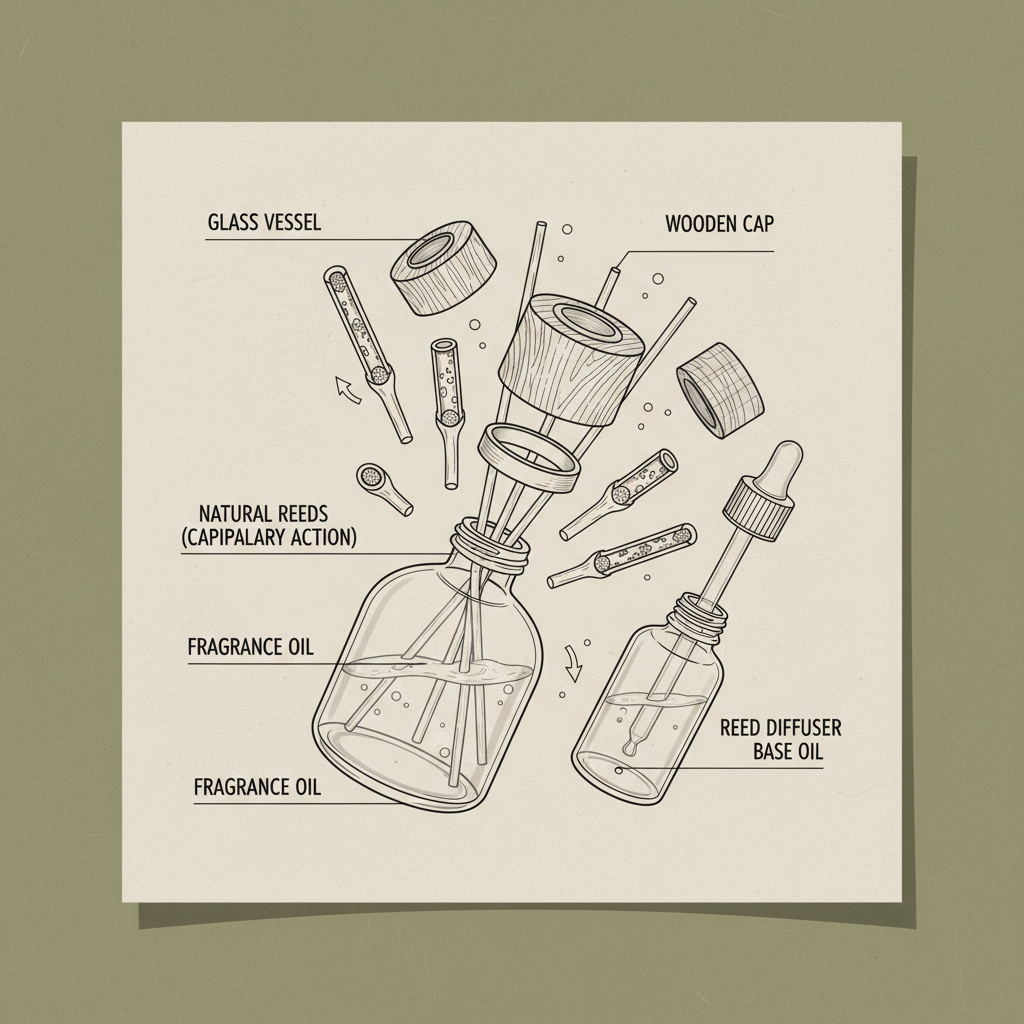
The effectiveness of a reed diffuser depends entirely on the material's ability to transport oil via capillary action. Traditionally, natural rattan was used, characterized by small channels (vascular bundles) that pull the oil upward. However, modern manufacturing has shifted toward high-density synthetic fibers, such as engineered polyester or specialized cotton blends, which offer more uniform porosity.
Synthetic sticks generally provide a more consistent scent throw because they lack the natural inconsistencies of organic wood. For those looking to buy reed diffuser sticks for high-end home fragrance lines, synthetic options prevent the "clogging" common in natural rattan, ensuring the fragrance remains potent until the oil is fully depleted.
Porosity and Capillary Action Explained
Capillary action is the process where liquid flows through narrow spaces without the assistance of external forces. In diffuser sticks, the "pore size" determines the rate of ascent. If the pores are too wide, the oil evaporates too quickly; if they are too narrow, the fragrance may never reach the top of the stick, resulting in a weak scent throw.
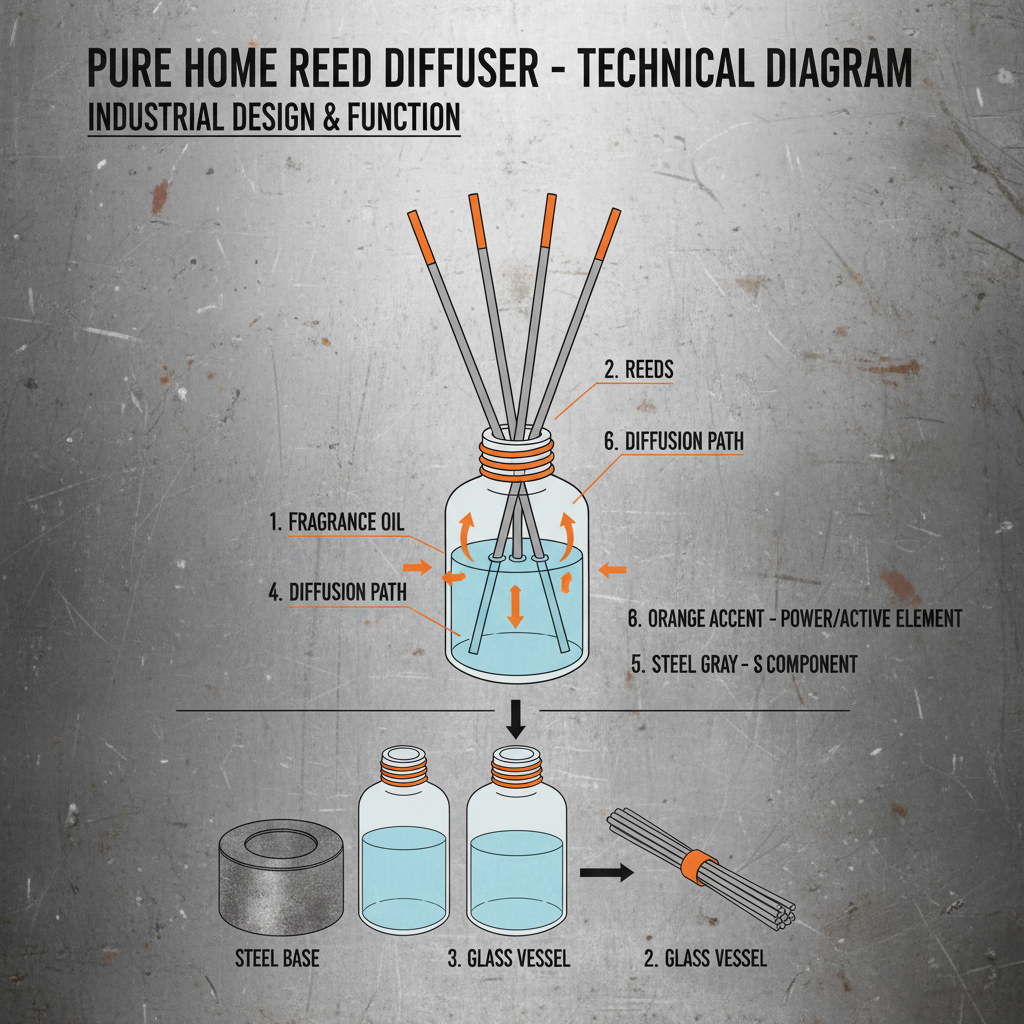
The relationship between the stick diameter and the vessel neck is also a critical engineering consideration. In the glass manufacturing industry, the precision of the jar opening ensures that the sticks are held upright and spaced correctly, preventing them from touching and creating an inefficient "clump" that restricts airflow and diffusion.
Matching Sticks to Fragrance Viscosity
Not all fragrance oils are created equal. Oils with high concentrations of essential oils or heavier carrier bases have a higher viscosity, meaning they move more slowly through the stick. When you buy reed diffuser sticks, you must match the material's absorption rate to the oil's thickness to avoid stagnant diffusion.
For lightweight, alcohol-based fragrances, natural rattan often suffices. However, for heavy, oil-based home fragrances—similar to the high-quality paraffin and palm oil blends used in professional candle manufacturing—synthetic fibers are superior. They possess the necessary suction power to lift heavier molecules into the air effectively.
Evaluating Diffuser Performance Metrics
Measuring the success of a diffuser involves analyzing the "scent throw" (the distance the fragrance travels) and the "evaporation rate" (how long the oil lasts). These metrics are influenced by the number of sticks used and the material composition. The following conceptual data illustrates the relative scent intensity vs. longevity across different stick types.
As shown in the relative performance index, synthetic fibers provide a balanced high-intensity throw while maintaining a controlled evaporation rate. Natural rattan offers high longevity but lower initial intensity, while specialized fiber blends maximize the throw at the cost of faster oil consumption.
Procurement Standards for B2B Buyers
For enterprises in the home fragrance sector, purchasing sticks in bulk requires strict quality control. Key specifications include length consistency, diameter precision (typically 3mm to 5mm), and moisture content for natural reeds. Inconsistent diameters can lead to poor fits in standardized glass diffuser jars, affecting the overall product presentation.
Verification of certifications, such as MSDS for synthetic materials, ensures that the sticks do not react chemically with the fragrance oils, which could lead to discoloration of the oil or a change in the scent profile over time. Reliable suppliers provide samples to test compatibility with specific fragrance formulations before full-scale production.
Common Failures in Scent Delivery
One of the most frequent issues when users buy reed diffuser sticks is "clogging." This occurs when the fragrance oil's heavier components settle in the pores of the stick, creating a barrier that prevents fresh oil from rising. This is especially common in natural rattan sticks used with low-quality oils.
Another failure is "over-saturation," where too many sticks are used in a small vessel. While this increases the initial scent throw, it accelerates oil consumption to an unsustainable rate and can cause the oil to drip down the side of the glass vessel, potentially damaging furniture surfaces. Proper calibration between stick count and room volume is essential.
Selection Decision Framework
To make an informed decision when you buy reed diffuser sticks, you must weigh the aesthetic requirements against the technical performance needed for the specific environment and oil type. The table below compares the three most common industry options based on operational dimensions.
| Stick Material | Scent Throw | Oil Longevity | Best Use Case |
|---|---|---|---|
| Natural Rattan | Moderate | High | Light, Alcohol-based oils |
| Engineered Fiber | High | Moderate | Heavy, Essential oil blends |
| Compressed Cotton | Very High | Low | Small rooms / Quick scent |
| Bamboo Reeds | Low | Very High | Decorative / Low-scent areas |
| Hybrid Polymer | Balanced | Balanced | Commercial retail products |
| Porous Ceramic | Moderate | High | Luxury / Slow-release sets |
Based on this framework, B2B buyers should prioritize Engineered Fibers for commercial reliability and Natural Rattan for organic-focused branding. The choice should always be validated through a 14-day evaporation test with the intended fragrance oil.
Frequently Asked Questions
Sticks should be replaced every 2-3 months or when the scent noticeably diminishes. Over time, pores become clogged with dust and oil residue, hindering capillary action.
Yes, more sticks increase the surface area for evaporation, resulting in a stronger scent throw, but they will consume the fragrance oil significantly faster.
This is usually caused by clogged sticks or the use of a fragrance oil that is too viscous for the stick material. Try flipping the sticks or replacing them with synthetic fiber versions.
It is not recommended. Different materials have different absorption rates, which can lead to uneven oil depletion and an inconsistent fragrance profile.
The sticks should typically extend 6 to 10 inches above the rim of the bottle to allow sufficient surface area for the scent to disperse into the air.
Safety is comparable; however, synthetic sticks are more predictable in their performance and are less likely to contain organic impurities that could alter the fragrance.
Conclusion
Selecting the right material when you buy reed diffuser sticks is the difference between a high-performance aromatic product and one that fails to deliver. By matching the porosity of the sticks to the viscosity of the fragrance oil and adhering to B2B procurement standards, manufacturers can ensure a consistent and premium user experience.
For professionals seeking integrated home fragrance solutions, including high-quality vessels and complementary scent carriers, explore the technical specifications and product range at www.litbright-candles.com to optimize your aromatic offerings.




 +8613838384866
 sales18@litbright.com(Aromatherapy)
