Dec . 02, 2025 12:45 Back to list
Making your own reed diffuser might sound like a quaint DIY project—and in some ways it is—but it’s become surprisingly significant on a global scale. It’s an approachable way to customize your space, create gifts, and reduce plastic and aerosol waste tied to commercial air fresheners. Plus, understanding the method and materials involved opens the door to both eco-friendly innovation and fragrant creativity. Whether you’re a hobbyist or thinking bigger, grasping how to make your own reed diffuser can pay off in fresh, sustainable scent enjoyment.
The air freshener market grew to over $20 billion globally as of 2023, and while convenient sprays flood the aisles, many consumers seek more natural, less chemical-dependent options. Reed diffusers are increasingly popular, especially in Europe, North America, and parts of Asia, for their ability to slowly and softly scent an environment without fumes or flames.
Oddly enough, making your own reed diffuser also ties into broader themes like sustainable consumption and reducing waste—issues highlighted by UN environment reports which stress minimizing single-use plastics as a key climate action. In response, DIY approaches help people convert household materials into scentscapes, cutting costs and carbon footprints alike.
But the challenge lies in balancing odor dispersal, safety, and material choice—which is where understanding the core components really matters.
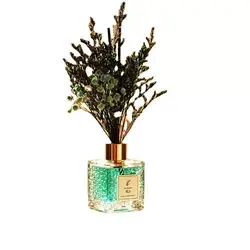
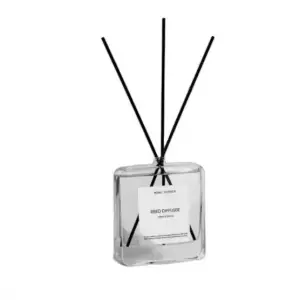
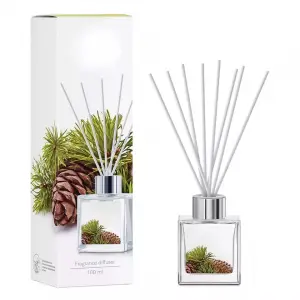
At its heart, making your own reed diffuser involves combining fragrant essential oils with a carrier liquid and inserting porous reeds that draw up the scent and release it gradually. It’s a simple way to spread aromatics across a room without heat or electricity.
The technique isn’t just homey craft — it has commercial relevance too, with small-batch perfumers and eco-conscious brands often mixing their own bases to offer unique scents. Plus, for humanitarian or hospitality settings, it’s a clever low-tech option to freshen spaces without needing power—a nod towards practical, resilient solutions in low-resource areas.
The carrier liquid, often a mix of mineral oil, dipropylene glycol (DPG), or light vegetable oil, is the medium that dilutes essential oils and ensures smooth evaporation through the reeds. It’s crucial that this liquid isn’t too volatile to avoid rapid drying or too viscous to clog reeds.
Your scent profile comes from here, and there’s the art and science of balancing top, middle, and base notes. For safety, one should use oils compatible with reed diffusion — some oils degrade or don’t diffuse well.
Typically made from rattan or bamboo, the reeds must be porous with channels inside to pull up the liquid effectively. Their quality directly impacts scent throw and diffusion longevity.
A vessel that holds the mixture and allows reeds to stand upright. Glass is preferred for chemical neutrality and aesthetics, while financially, recycled bottles or jars can be a sustainable option.
Sometimes, fixatives or UV protectants are added to stabilize scent and extend shelf life.
| Component | Material/Type | Function | Typical Cost |
|---|---|---|---|
| Carrier Liquid | Dipropylene Glycol or Mineral Oil | Dilutes fragrance, controls evaporation | $5–$15 per liter |
| Fragrance Oil | Essential or Synthetic Oils | Provides scent | $10–$50 per 30 ml |
| Reeds | Rattan/Bamboo | Draws liquid up for evaporation | $1–$5 per bundle |
| Container | Glass or Recycled Jar | Holds the liquid and reeds | $5–$20 each |
Interestingly, while people mostly think of reed diffusers as home décor, their use spans industrial and humanitarian contexts, too. For example, in hospitality sectors in Europe or luxury spas in Asia, custom diffusers enhance ambiance and brand identity.
In remote areas or refugee camps where electrical air fresheners aren’t feasible, making your own reed diffuser is a creative, low-tech way to improve hygiene and comfort—without adding toxic chemicals. NGOs have started training locals on mixing safe diffuser blends, bridging the gap between improved living conditions and simple technologies.
Plus, the sustainable aspect is compelling. Many environmentally-conscious brands promote refillable or homemade diffusers that minimize waste compared to aerosol sprays, aligning with global circular economy goals championed by the UN Environment Program. That’s why learning about and applying making your own reed diffuser knowledge can ripple out well beyond personal rooms.
| Brand | Included Components | Fragrance Options | Price Range |
|---|---|---|---|
| EcoScent | Reeds, carrier oil, 3 essential oils, glass jar | Lavender, Citrus, Eucalyptus | $25–$30 |
| PureAura | Reeds, DPG carrier, synthetic fragrance blends, bottle | Ocean Breeze, Vanilla, Jasmine | $20–$28 |
| NatureScents DIY | Reeds only; oils and container sold separately | User-selected | $8–$12 (for reeds alone) |
Honestly, the cost savings are often the first draw—making your own reed diffuser typically costs less than buying premium branded ones, especially when you reuse containers and buy oils in bulk.
Plus, the environmental footprint tends to be smaller. Reeds and glass are biodegradable or recyclable, and by avoiding aerosols, you reduce air quality pollutants. There’s also a real sense of satisfaction in crafting something personal that enhances wellbeing—a subtle emotional boost that’s hard to quantify but feels important.
In spaces like therapy rooms, yoga studios, or boutique hotels, custom blends create trust and emotional resonance. That kind of brand or personal identity through scent sticks with people, you know?
Looking ahead, sustainability is pushing innovation in the reed diffuser domain. New materials like biodegradable acrylic reeds and zero-volatile organic compound (VOC) carrier liquids are in development. There’s also buzz around smart diffusers that adjust scent intensity through apps, blending tradition with tech.
And with the green energy transition, production of carrier oils from renewable bio-sources is rising. One can imagine a more circular reed diffuser economy where used oils and reeds are composted or repurposed. It’s kind of inspiring.
Still, some hurdles remain. Reeds can clog or lose efficiency if oil viscosity isn’t balanced well. And ensuring essential oils are safe—for pets, kids, or sensitive people—means sourcing quality blends and diluting properly.
Experts suggest experimenting cautiously and labeling blends clearly. Choosing oils with lower allergenic potential and testing scents in small spaces before wider use is smart practice. Oddly enough, even temperature and humidity affect diffusion rates, so placement matters a lot.
In real terms, making your own reed diffuser offers a rewarding blend of creativity, sustainability, and practicality. It touches on global environmental concerns, DIY culture, and the simple joy of fragrance. If you haven’t tried it, maybe now’s the time. For more detailed guides and quality materials, check out making your own reed diffuser resources. Your space—and your planet—might thank you.
– A small step towards fresh air and conscious living
Brighten Your Home Decor with a Beautiful Rainbow Candle
NewsApr.16,2026
Eco Friendly Luxury Home Decor with Refillable Candles Guide
NewsApr.09,2026
Discover the Power of Regenerative Candles for a Sustainable Lifestyle
NewsApr.07,2026
Enhance Your Wellbeing with the Soothing Power of Relaxing Candles
NewsApr.04,2026
Illuminate Your Home Sustainably with Reusable Candle Options
NewsMar.31,2026
Discover the Charm of Ribbed Candles for a Stylish and Inviting Home
NewsMar.28,2026
Products

 +8613838384866+8613102808187(Aromatherapy)+8615544503756(Candle)
 sales18@litbright.com(Aromatherapy)sales16@litbright.com(Candle)
RM 702, Bldg,A Lingshi Comm.Bldg., NO.351 Xinhua Road, Shijiazhuang, Hebei, China



 Send Email
 WhatsApp