logo
Leave Your Message

If you are interested in our products, you can choose to leave your information here, and we will be in touch with you shortly.


contact_pop
0%

Table of Contents

To be honest, things have been crazy busy lately. Everyone's talking about modular construction, prefabrication... it's all the rage. But it's not new, you know? We were messing with this stuff years ago. What's different now is the scale and the materials. It’s all about speed, cost, and, supposedly, quality. Though I’ve seen plenty of "quality" stuff fall apart faster than a cheap folding chair.

Have you noticed how everyone's obsessed with lightweight materials? It's good, makes things easier to move around, less strain on the workers. But lightweight also often means... well, less durable. Finding that balance, that's the trick. And don't even get me started on the new adhesives. Some of them smell so strong, you need a respirator just to be near them. I encountered this at a factory in Foshan last time. The fumes… forget it.

The pressure is on to get everything done faster, cheaper. That means corner-cutting happens. We've all seen it. It’s always something with the connections. They look good on paper, pass the lab tests, but… real life is messy.
Navigating Trends and Challenges in Reed Diffuser Bulk Production

The Latest Trends in Reed Diffuser Bulk

Navigating Trends and Challenges in Reed Diffuser Bulk Production

Strangely enough, everyone’s wanting bigger bulk orders these days. It's less about fancy packaging and more about getting a good price per unit. Makes sense, I guess. The demand for natural fragrances is up, too. People are tired of that artificial chemical smell. We’re seeing a lot more requests for essential oil blends, which is good. It's a bit more work to source, but the end product is better, cleaner.

And the packaging...it used to be all glass. Now, it's shifting towards more sustainable options. Recycled plastic, biodegradable materials...it's a good trend, but it adds to the cost, of course. Everything's a trade-off.

Design Pitfalls: What to Watch Out For

The biggest mistake I see is over-engineering. Trying to make something too complicated. Simple is almost always better. A diffuser is a diffuser. Reed, oil, bottle. Don't need a built-in Bluetooth speaker and a mood light. Really.

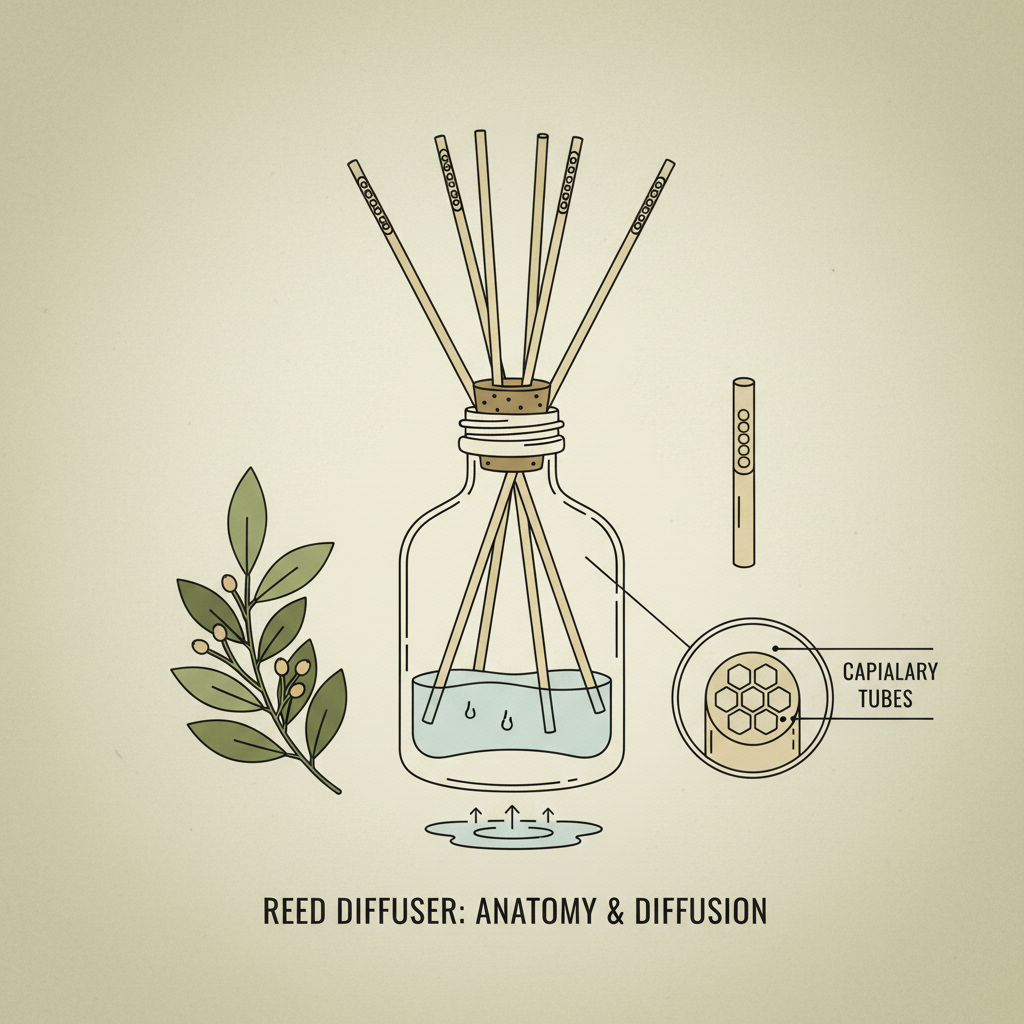
Another thing? Reed diameter. People go too thin, and the oil doesn't wick properly. Too thick, and it looks ridiculous. There's a sweet spot, and finding it requires testing, testing, testing. And don’t even think about skimping on the bottle glass. Cheap glass cracks. Cracking glass means messy spills. Messy spills mean unhappy customers.

I've also seen designs where the neck of the bottle is too narrow. Makes it a pain to fill during production. And you will spill oil. Trust me.

Material Deep Dive: Beyond the Spec Sheet

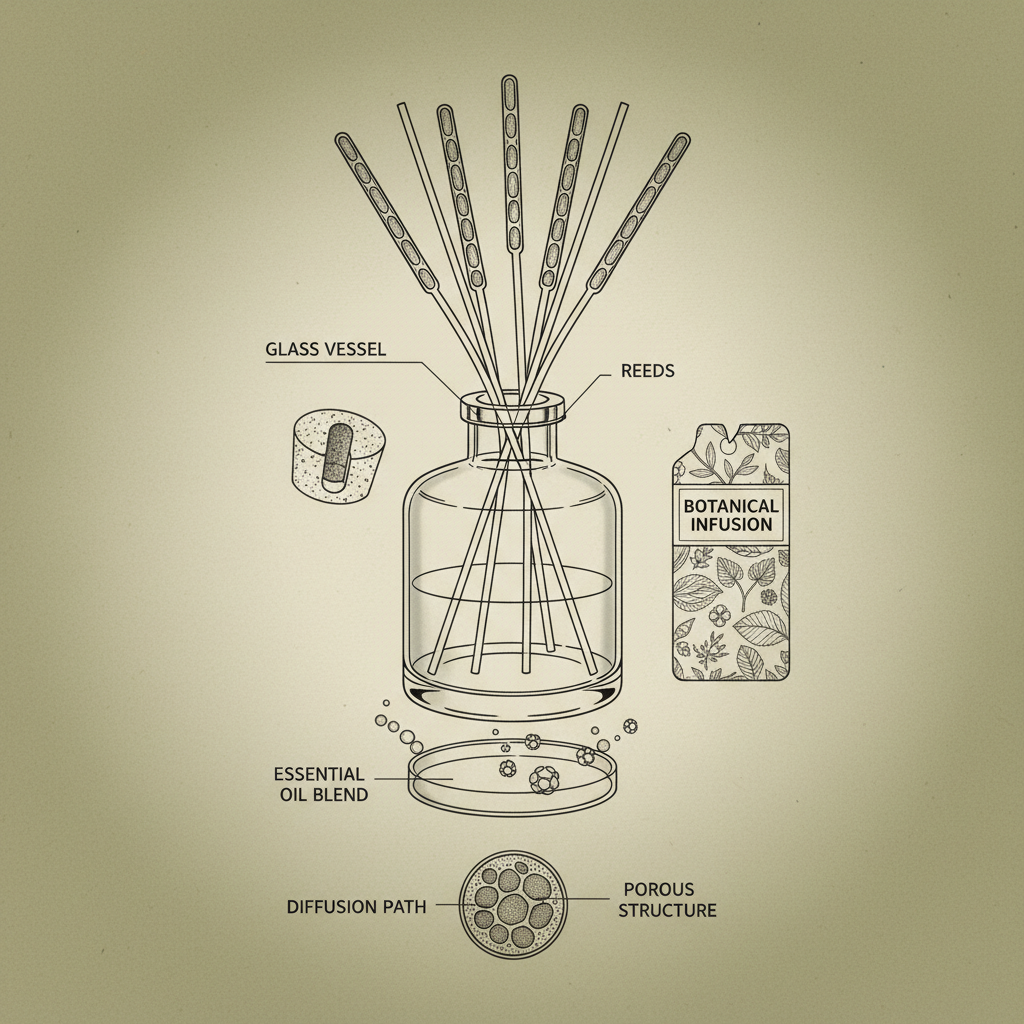
The reeds themselves? Rattan’s still the king. It's porous, wicks well, and smells… like rattan. It’s a natural smell that blends with the fragrance. Some people are experimenting with synthetic reeds, but they just don't perform as well. They feel plasticky, and the oil doesn’t travel up them as efficiently.

The oil...that's where it gets interesting. Dipropylene glycol (DPG) is the standard carrier oil. It's odorless, colorless, and helps the fragrance oils disperse. But quality varies wildly. You get what you pay for, folks. Cheap DPG can leave a sticky residue. And the fragrance oils? That’s a whole other world. Some are incredibly potent, others are…weak. I once smelled a "lavender" oil that smelled more like mothballs.

And the bottles… they have to be thick enough to prevent breakage, but not so thick they're heavy and expensive. It's a fine line.

Real-World Testing: It's Not Always Pretty

Lab tests are fine, but they don’t tell you everything. You need to see how these things hold up in real conditions. I’ve left diffusers sitting in direct sunlight, in humid bathrooms, even in the back of a truck bouncing down a dirt road.

We also do what we call the "spill test." We deliberately knock them over. Sounds brutal, I know, but it’s important. You need to see how well the bottle seals, how much oil spills, and whether it stains surfaces. Anyway, I think a good product should survive a reasonable amount of abuse.

Reed Diffuser Bulk Performance Metrics


How Customers Actually Use Reed Diffuser Bulk

You’d think people would follow the instructions, right? Put it in a well-ventilated area, flip the reeds regularly. Nope. I've seen them shoved in closets, tucked under furniture... anywhere but where they're supposed to be.

And the reeds! People don't flip them enough. They expect it to just...work. They forget that the reeds need to be refreshed to keep the fragrance going. They also often try to "help" the oil wick by poking at the reeds. Which just messes everything up.

Advantages, Disadvantages, and Everything In Between

The biggest advantage, obviously, is the long-lasting scent. A good diffuser can keep a room smelling nice for weeks. It’s also low-maintenance. No flames, no electricity. Just put it there and forget about it (almost).

The downside? The scent throw isn’t as strong as a candle. It's more subtle, more ambient. And they can be messy if knocked over. But that’s why you need a good, sturdy bottle. It’s also limited by the type of fragrance oils you can use. Some oils are too thick to wick properly.

Overall, though, a well-designed reed diffuser is a great product. A simple, effective way to freshen up a space.

Customization: A Shenzhen Story

We had a small boss in Shenzhen who makes smart home devices. Last month, he insisted on changing the interface to , because, and I quote, “It’s the future!”. Look, the diffuser is a simple thing, right? Micro USB was perfectly fine. But he wouldn’t budge. He wanted . It meant redesigning the entire base, sourcing new components, delaying production…

And the result? The port was too bulky. It made the diffuser unstable. It tipped over easily. It was a disaster. He finally agreed to switch back to Micro USB.

That's a good example of how customization can go wrong. Sometimes, you need to know when to say no.

Material Characteristics Comparison Table

Material Type Durability Score (1-10) Cost Factor Ease of Handling
Glass (Borosilicate) 8 Medium Moderate - Requires care
Recycled Plastic (PET) 6 Low Easy - Lightweight
Rattan Reeds 7 Medium Easy - Natural Texture
Synthetic Reeds 5 Low Easy - Consistent shape
Dipropylene Glycol (DPG) N/A - Liquid Medium Moderate - Can be sticky
Essential Oils N/A - Liquid High Moderate - Requires careful handling

FAQS

What's the best way to prevent reed diffusers from drying out too quickly?

Keep them away from direct sunlight and drafts. Also, flipping the reeds regularly helps. The oil evaporates faster if the reeds are constantly exposed to air. Honestly, people underestimate how much airflow affects it. And make sure you’re using a good quality DPG carrier oil. Cheap stuff evaporates like crazy.

Can I dilute the fragrance oil to make it last longer?

You can, but be careful. Too much dilution will weaken the scent. Generally, you want a fragrance load of between 10-20%. Any less, and you won't get a good throw. I’ve seen people try to stretch it too far, and it just smells…watery. It’s better to just buy a larger bottle of fragrance oil.

What should I do if my diffuser spills?

First, clean it up immediately! DPG and fragrance oils can stain surfaces. Use a clean cloth and some warm water. If it's a stubborn stain, try a little bit of rubbing alcohol. And be careful not to get any oil in your eyes or mouth. It’s not toxic, but it’s not pleasant either.

What’s the ideal reed length for optimal fragrance diffusion?

Generally, between 8-10 inches is a good range. Too short and the oil won't wick properly. Too long and they can be unstable. It's a balancing act. It also depends on the size of the bottle. A wider bottle needs longer reeds to reach the oil. I’ve seen some manufacturers use different reed diameters too – thicker reeds diffuse slower, thinner reeds faster.

Are there any safety concerns with using essential oil diffusers around pets?

Absolutely. Some essential oils are toxic to pets. Tea tree oil, for example, is a big no-no for cats and dogs. Do your research before using any essential oils around animals. And always make sure the diffuser is in a well-ventilated area. Better safe than sorry, right?

What's the shelf life of a reed diffuser?

Generally, 3-6 months. The fragrance will eventually fade. You can try to revive it by flipping the reeds, but eventually, you'll need to replace the oil. It’s like any fragrance, really. It doesn't last forever. Proper storage – keeping it out of direct sunlight and heat – can help extend its life.

Conclusion

So, reed diffusers. It’s a simple product, but there’s a lot that goes into making a good one. Choosing the right materials, testing everything thoroughly, understanding how customers actually use them… it all matters. It's not just about slapping some oil in a bottle and calling it a day.

Ultimately, whether this thing works or not, the worker will know the moment he tightens the screw. If it feels right, smells right, and lasts a decent amount of time, it's a good diffuser. And if it doesn’t? Well, back to the drawing board. You can visit our website at www.litbright-candles.com for more information.


Ethan Carter

Ethan Carter

Ethan Carter is the Lead Product Developer at Ranliang Candle Industry Co., Ltd. He’s a dedicated professional with a background in chemistry and a lifelong fascination with fragrance creation. Ethan oversees the entire product development lifecycle, from initial concept and formulation to testing and production. He’s particularly focused on incorporating
Previous Exploring Innovations in reed diffuser supplies wholesale and Material Selection
Next Navigating the Complexities of Reed Diffuser Wholesale and Design Innovation

If you are interested in our products, you can choose to leave your information here, and we will be in touch with you shortly.