logo
Leave Your Message

If you are interested in our products, you can choose to leave your information here, and we will be in touch with you shortly.


contact_pop
0%

Table of Contents

You know, these days everyone's talking about “smart” everything. Smart homes, smart factories… Honestly, it's exhausting. It all boils down to how reliable the connections are, right? That’s where these custom reed diffusers come in. They’re not glamorous, not at all, but they solve a real problem: getting a consistent, reliable scent throw in tricky spaces. I've been on sites where folks have tried everything – sprays, gels, even those plug-in things – and nothing works consistently. It's always either too strong in one spot, or completely whiffing in another. These diffusers…they just work.

The demand’s growing, weirdly enough. It’s not just luxury brands anymore. Industrial spaces are using them to mask odors, hospitality’s looking for something subtle but lasting… even some medical facilities are experimenting. Have you noticed how sensitive people are to smells these days? Everything’s gotta be “clean” smelling, or “invigorating,” or whatever the marketing copy says. It’s a lot of pressure on the scent guys, I tell you. And pressure on us to deliver a consistent product.

But it’s not just about the scent itself. It’s the whole system. The reeds, the base oil, the bottle… they all have to play nice together. And that’s where things get tricky. I swear, half my job is troubleshooting problems that start with a bad batch of reeds.
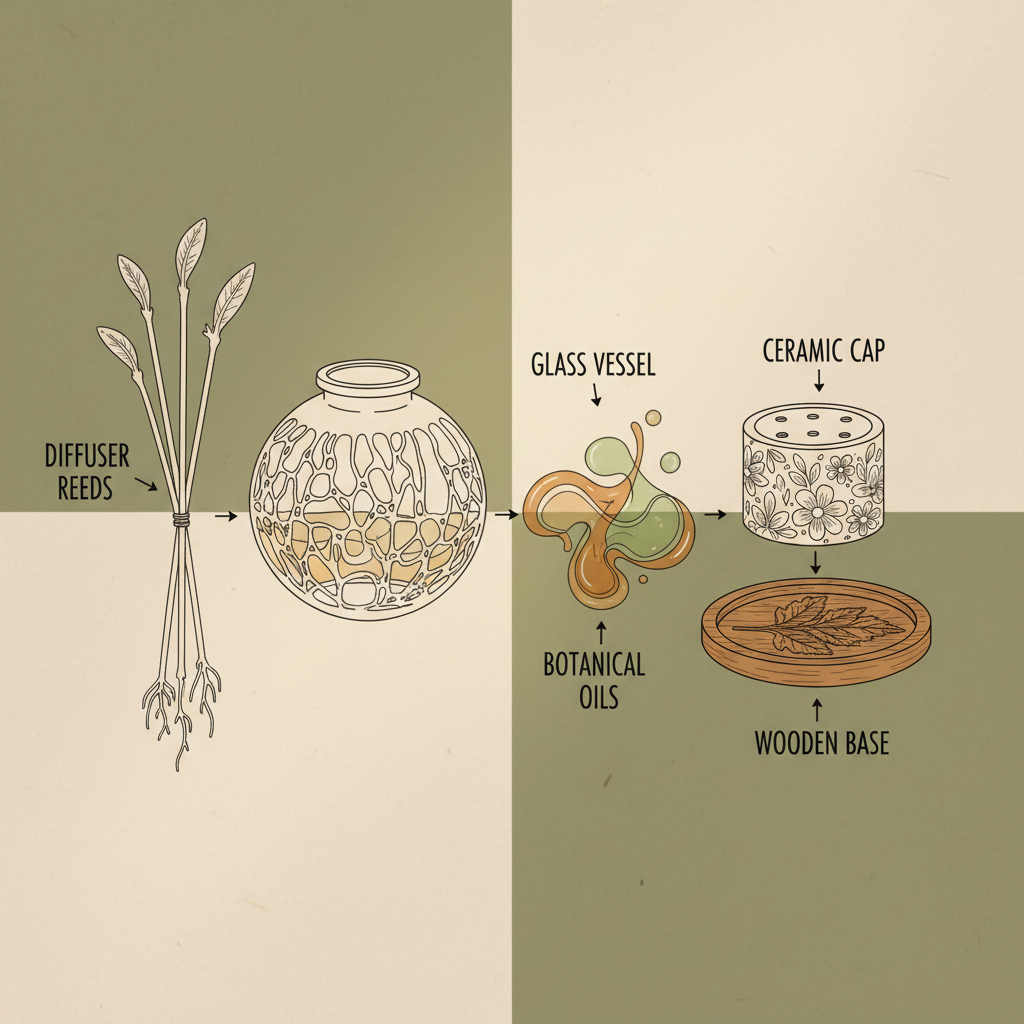
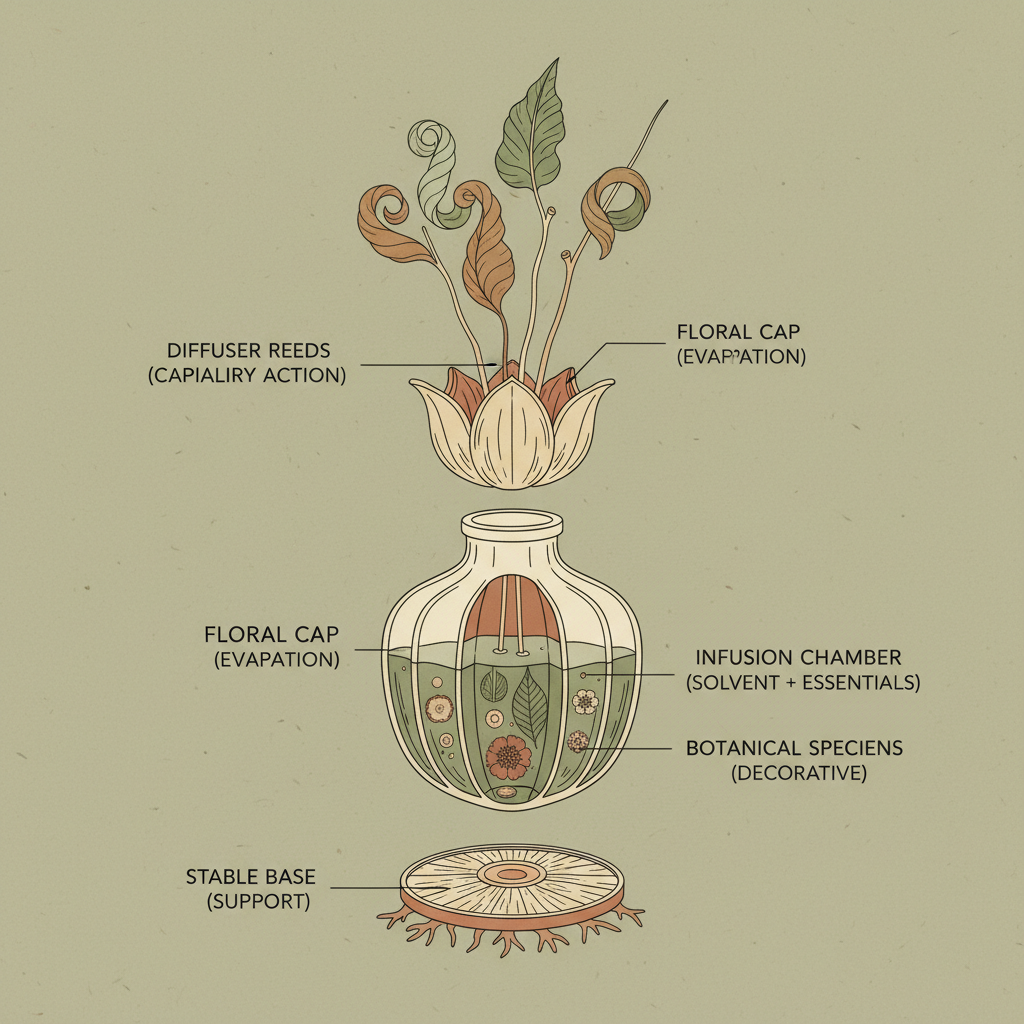
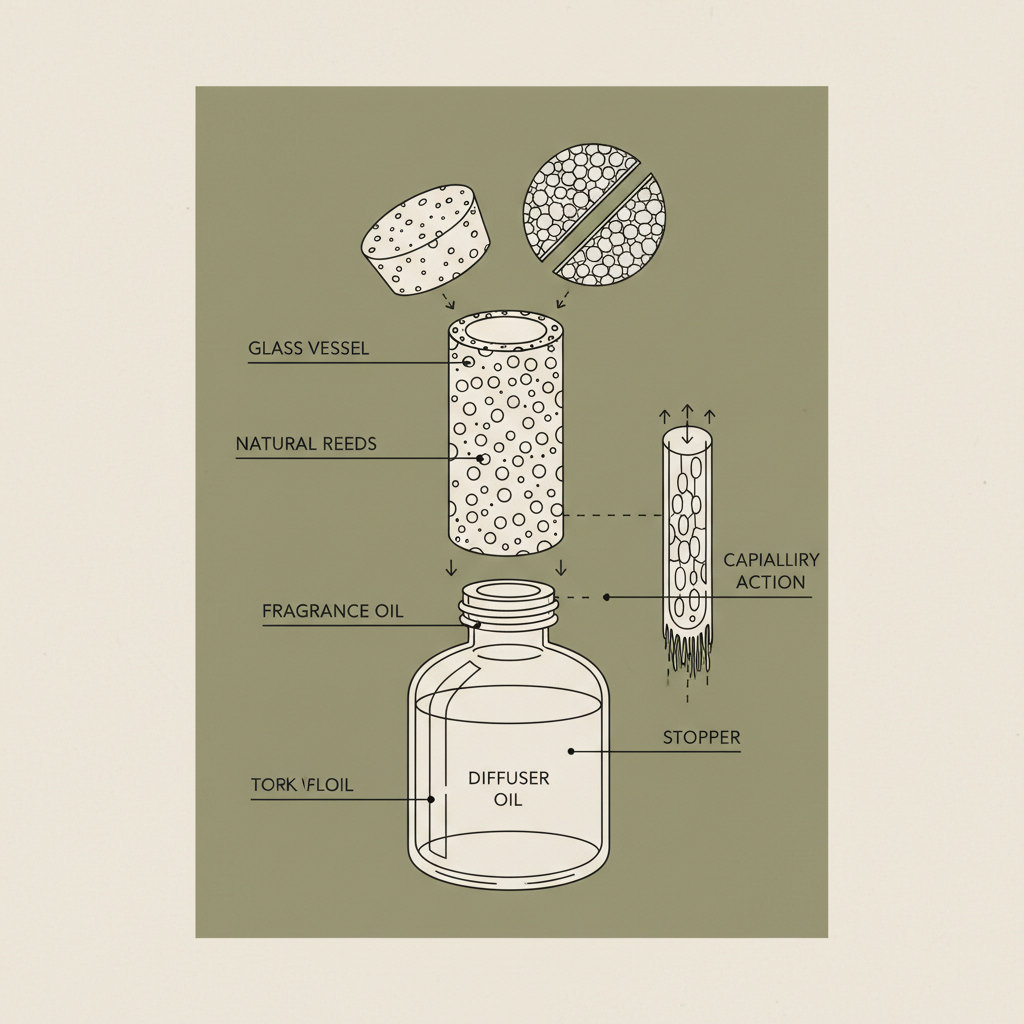
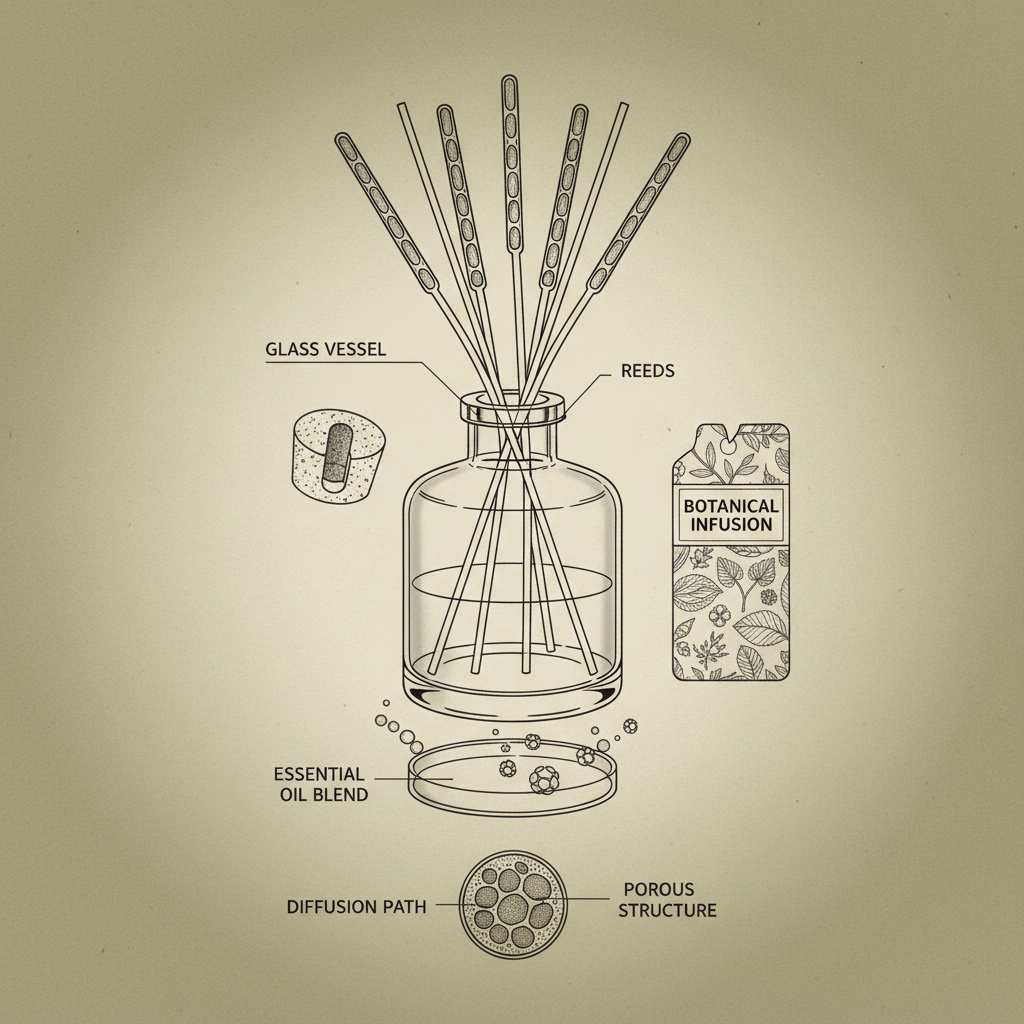
The Growing Demand for Reliable and Customizable Reed Diffusers

The Rising Demand for Custom Reed Diffusers

The Growing Demand for Reliable and Customizable Reed Diffusers

Strangely, the biggest surge isn’t from the typical perfume houses. It’s coming from places you wouldn't expect. Manufacturing facilities need to mask chemical odors, car dealerships want a "new car smell" that actually lasts, and even wastewater treatment plants (don't ask) are looking for solutions. And they all want something specific. Not just “lavender,” but “French lavender with a hint of bergamot, specifically calibrated to counteract the smell of… well, you don’t want to know.”

This demand for customization is huge. It’s driving a lot of the innovation in the industry. Everyone's trying to figure out how to make a diffuser that can handle different scent loads, different environmental conditions, and different aesthetic requirements. It's a headache, but a profitable headache.

Design Pitfalls: What Can Go Wrong

To be honest, the biggest mistake I see is people getting too focused on the bottle. They want something fancy, something eye-catching, but forget that it has to function. A narrow neck looks great, but it restricts scent throw. A decorative cap looks good, but it might interfere with evaporation. I encountered this at a ceramics factory last time; they made a beautiful bottle, but the scent barely left the room. It looked pretty, but it was useless.

Another pitfall is reed quality. Cheap reeds don’t wick the oil properly. They clog up, they bend, they just…fail. And then you’re dealing with frustrated customers and a mountain of returns. It’s not worth the savings. Pay for good reeds. Seriously.

And don’t even get me started on oil viscosity. Too thick, and the reeds can’t draw it up. Too thin, and it evaporates too quickly. It’s a delicate balance.

Material Matters: It’s Not Just About the Scent

The base oil is critical. Most folks use a carrier oil like DPG (dipropylene glycol), but there’s a lot of variation in quality. The good stuff is clear, odorless, and feels…slippery. The cheap stuff is yellowish, smells faintly of chemicals, and feels kind of sticky. You can tell the difference just by handling it. And that translates directly to the performance of the diffuser. I always tell people, if it feels cheap, it probably is.

Then there are the reeds. Rattan is the standard, but there are different grades of rattan. You want reeds that are porous, but not too porous. Too porous, and they soak up the oil too quickly and then they just… fall apart. Good rattan has a kind of fibrous texture and a slightly woody smell. It should feel solid in your hand, not flimsy. I’ve seen bamboo used, but it’s generally not as effective. It doesn’t wick the oil as well.

And the bottles… glass is generally best. It doesn’t react with the oil, and it looks more upscale. But you need to be careful about the thickness of the glass. Too thin, and it’s prone to cracking. Too thick, and it adds unnecessary weight and cost. It’s a balancing act.

Real-World Testing: Beyond the Lab

Lab testing is fine, but it doesn’t tell you the whole story. You need to test these things in real-world conditions. I've got a whole rack of diffusers in my garage, running in different temperatures, different humidity levels, exposed to direct sunlight, you name it. I even put one in my truck, just to see how it holds up to constant vibration.

We also send samples to our customers for field testing. They put them in their spaces, and they give us feedback. It’s invaluable. Last year, a hotel chain told us our diffuser was performing poorly in their smoking rooms. Turns out, the nicotine in the air was interfering with the evaporation rate. We had to adjust the oil formula to compensate. You'd never learn that in a lab.

Custom Reed Diffuser Performance Metrics


Unexpected Usage Patterns

I've seen people using these diffusers in closets to freshen up clothes. I've seen them in car vents (don't recommend that, it's a fire hazard!). I even saw someone using one to try and mask the smell of their dog… didn’t work very well, to be honest. The point is, people are creative. They’ll find ways to use these things that we never anticipated. It's important to be aware of that.

That's why we started adding warning labels. “Not for use near open flames,” “Keep out of reach of children,” the usual stuff. It's a pain, but it protects us from liability.

The Good, the Bad, and the Customizable

The biggest advantage? Consistent scent throw. When it works, it just works. It's passive, it doesn't require electricity, and it lasts a long time. The downside? It’s not instant. It takes time for the scent to build up. And it's not as controllable as, say, a spray. You can't just give it a quick burst of fragrance. It’s a slow and steady process. Anyway, I think that's fair trade-off.

And the customization is a huge selling point. We had a customer last month who wanted a diffuser shaped like a miniature lighthouse. It was a pain to manufacture, but they were willing to pay a premium for it. People like things that are unique, that reflect their personality. And we can deliver that.

A Customer Story: The Debacle

Last month, that small boss in Shenzhen who makes smart home devices insisted on changing the interface to . He claimed it was "more modern," and "appealed to a younger demographic." We tried to explain that it was unnecessary, that the standard interface worked just fine, but he wouldn't listen. He wanted , so we gave him . The result? Half his customers couldn't figure out how to plug it in. The returns rate skyrocketed. He eventually came crawling back, begging us to switch back to the standard interface. Lesson learned: sometimes, the simplest solution is the best.

It’s a reminder that even with all the customization options, sometimes you have to stick to what works. People don't always want innovation, they want reliability. They want something that just does the job.

But hey, at least it made for a good story.

Summary of Key Material Characteristics

Material Cost (USD/Unit) Durability (1-10) Scent Retention
DPG (Oil Base) $0.50 8 High
Rattan Reeds $0.30 7 Medium
Glass Bottle $1.00 9 Neutral
Plastic Bottle $0.20 5 Low
Bamboo Reeds $0.40 6 Low-Medium
Synthetic Fragrance Oil $0.75 N/A Variable

FAQS

What is the typical lifespan of a custom reed diffuser?

The lifespan really depends on the oil volume, the ambient temperature, and the reed quality. Generally, you can expect anywhere from 30 to 90 days of consistent fragrance. Higher-end diffusers with larger oil reservoirs and premium reeds will last longer. We’ve seen some last six months, but that’s pretty rare. You’ll know it’s time to replace it when the scent starts to fade noticeably, or the reeds become saturated and stop wicking effectively.

Can I refill a reed diffuser, or is it single-use?

You absolutely can refill them! That’s actually encouraged. But, you need to replace the reeds with each refill. The reeds get clogged over time, and they won’t wick the new oil properly. Using old reeds with fresh oil is a recipe for disappointment. We sell refill packs specifically designed for our diffusers, but customers can use compatible oils from other brands as well. Just make sure the oil viscosity is correct.

Are there any safety precautions I should take when using reed diffusers?

Definitely. Keep them out of reach of children and pets. The oil can be harmful if ingested. Also, avoid placing diffusers near open flames or heat sources. The oil is flammable. And be careful when handling the oil – it can stain surfaces. It’s a good idea to place the diffuser on a coaster or protective mat. Common sense stuff, really, but it’s important to be aware of it.

How does humidity affect the performance of a reed diffuser?

Humidity plays a pretty big role. Higher humidity can actually slow down the evaporation rate, making the scent less noticeable. Lower humidity, on the other hand, will cause the oil to evaporate more quickly, but it can also lead to a stronger scent throw. Finding the right balance is key. That's why we recommend adjusting the number of reeds based on the climate. More reeds in dry climates, fewer in humid climates.

What type of fragrance oils are compatible with reed diffusers?

Generally, you want to use fragrance oils that are specifically designed for use in reed diffusers. These oils are typically thinner and less viscous than essential oils, which allows them to wick more easily through the reeds. Avoid using thick or oily substances, as they will clog the reeds. And always make sure the oil is compatible with the bottle material – some oils can react with certain plastics or metals.

Can I customize the strength of the scent in a reed diffuser?

Absolutely. The easiest way to adjust the scent strength is to change the number of reeds. More reeds = stronger scent. Fewer reeds = weaker scent. You can also experiment with the placement of the diffuser. Putting it in a smaller space will result in a stronger scent concentration. Just be careful not to overdo it – you don't want to overwhelm the room. And, of course, you can also adjust the oil concentration, but that's a bit more complicated and requires some experimentation.

Conclusion

Ultimately, custom reed diffusers are a surprisingly complex little product. It’s not just about throwing some oil and reeds in a bottle. It’s about understanding the science of evaporation, the properties of different materials, and the nuances of scent perception. It's a niche market, for sure, but it’s a growing one. And it's one that rewards attention to detail.

But here’s the thing: all the lab testing, all the material science, all the fancy design… it doesn’t really matter until a worker on the factory floor tightens that last screw. They'll know right away if it's a good diffuser or not. They’ll smell it, they’ll feel it, they'll know. That’s what counts. If you're looking for high-quality, custom reed diffusers, visit our website today!


David Miller

David Miller

David Miller serves as the Senior Marketing Manager at Ranliang Candle Industry Co., Ltd. With over 8 years of experience in the home fragrance industry, David is responsible for developing and implementing marketing strategies to expand the company’s reach in both domestic and international markets. He has a strong understanding
Previous Exploring Robust Design and Manufacturing of reed diffuser for sale
Next diffuser sticks for sale

If you are interested in our products, you can choose to leave your information here, and we will be in touch with you shortly.